How to Start Vaping: A Beginner’s Guide
Vaping has become an increasingly popular alternative to smoking, offering a cleaner and more customizable experience. If you’re curious about how to start vaping but aren’t sure where to begin, this guide is for you. Whether you’re switching from cigarettes or exploring vaping out of curiosity, this beginner-friendly guide will walk you through everything you need to know — from choosing your first vape device to understanding e-liquids, safety tips, and more. Starting to vape doesn’t have to be complicated. With the right information and a little preparation, you can enjoy a smooth transition into the vaping world while avoiding common mistakes.
Understanding What Vaping Is
Before diving into how to start vaping, it’s important to understand what vaping actually involves. Vaping refers to inhaling vapor produced by a vape device that heats an e-liquid, usually containing nicotine, flavoring, and a base of propylene glycol (PG) and vegetable glycerin (VG). Unlike traditional smoking, there’s no combustion, meaning no tar or smoke — just vapor.
Vaping can help many people reduce or quit smoking entirely. For others, it can be a social or recreational activity. Regardless of your reason, knowing the basics gives you a strong foundation.
Choosing the Right Vape Device
When starting out, the number of available vape devices can be overwhelming. But don’t worry — selecting your first vape is simpler than it seems once you understand the options.
Pod Systems
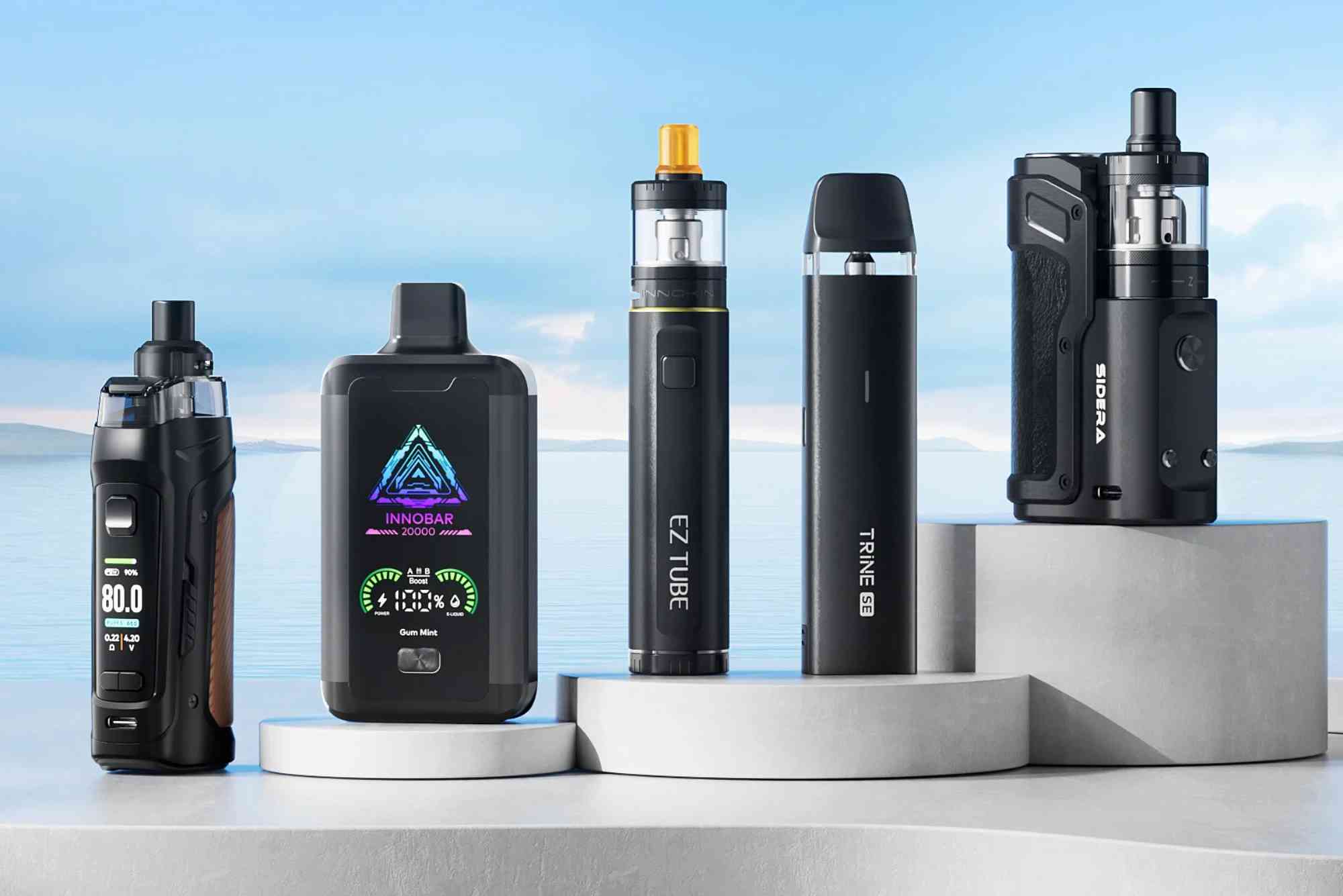
Pod vapes are compact, lightweight, and perfect for beginners. They use pre-filled or refillable pods, making them easy to maintain. These devices offer a mouth-to-lung (MTL) draw similar to cigarettes, making the switch easier for smokers.
Vape Pens
Vape pens are slightly larger than pods and come with a refillable tank. They provide better vapor and flavor but may require more upkeep. If you prefer longer sessions and more flavor control, vape pens are a great choice.

Box Mods
Box mods are more advanced, with adjustable power settings, larger tanks, and longer battery life. These are best suited for users who want customization and are willing to learn more about vaping mechanics.
For beginners, pod systems or vape pens are highly recommended. They’re simple, effective, and require minimal setup.
Picking the Right E-Liquid
Your e-liquid, also called vape juice, plays a major role in your vaping experience. Choosing the right one ensures satisfaction and can prevent coughing, irritation, or nicotine cravings.
Nicotine Strength
If you’re a former smoker, choose an e-liquid with nicotine strength that matches your previous habit. Heavy smokers might start with 12mg or higher, while light smokers can go with 3–6mg. You can always reduce your intake gradually.
PG vs. VG Ratio
Propylene glycol (PG) provides a stronger throat hit and better flavor, while vegetable glycerin (VG) creates thicker vapor clouds and a smoother inhale. A 50/50 ratio is a good balance for beginners.
Flavor Choice
From tobacco and menthol to fruity and dessert blends, the choices are endless. Start with a familiar or mild flavor to avoid overwhelming your taste buds. Try sample packs if available — it’s the best way to discover what you enjoy most.
How to Use Your Vape Device for the First Time
Once you have your device and e-liquid, it’s time to get started. Here’s how to start vaping safely and correctly.
Charge Your Device
Before anything else, ensure your vape is fully charged. Most starter devices come partially charged, but a full charge guarantees better performance.
Fill the Pod or Tank
If your device is refillable, carefully fill it with your chosen e-liquid. Avoid overfilling and always check for any leakages. Let it sit for 5–10 minutes to allow the coil to absorb the liquid — this is called priming.
Turn On the Device
Most devices turn on by pressing the power button five times rapidly. Refer to your user manual if unsure.
Start Vaping
Take slow, gentle puffs. Don’t inhale sharply like a cigarette. Give yourself time to get used to the draw and vapor. Start with short sessions and increase as needed. Avoid chain vaping, which can overheat the coil and cause dry hits. Take breaks between puffs.
Common Mistakes to Avoid as a New Vaper
Starting any new habit can involve a learning curve, and vaping is no different. Here are some common mistakes beginners make and how to avoid them. Using the wrong nicotine strength can lead to headaches, dizziness, or unsatisfied cravings. Always start with a level suited to your previous smoking habits. Not priming your coil can cause dry hits, which taste burnt and are unpleasant. Always let your coil soak before your first puff.
Inhaling too hard can cause flooding or spitback. Vape devices work best with smooth, steady puffs. Ignoring device maintenance can lead to poor performance or leaks. Clean your device regularly and replace coils when necessary Experimenting too much too soon can lead to confusion. Stick with one setup and one or two flavors initially. Once comfortable, you can explore.
Safety Tips for New Vapers
- Vaping is generally considered safer than smoking, but it’s still essential to use your device responsibly.
- Keep your vape clean to avoid bacteria buildup. Wash the tank, mouthpiece, and external surfaces weekly.
- Store e-liquids in a cool, dark place, away from children and pets. Nicotine can be toxic in high amounts if ingested.
- Don’t overcharge your vape. Use the recommended charger and never leave it charging overnight.
- Dispose of batteries safely. Never use damaged batteries or mix old with new.
- Stay hydrated. Vaping can cause dry mouth or dehydration, especially in the beginning. Drink water regularly.
Benefits of Switching to Vaping
Many people wonder if switching from cigarettes to vaping is worth it. Here are some benefits of starting your vaping journey.
- There’s no tar or smoke involved in vaping, meaning fewer harmful chemicals and a reduced risk of respiratory issues.
- Vaping offers more control over nicotine intake. You can choose your preferred strength and reduce it over time if desired.
- The variety of flavors and device options allows for a customized and enjoyable experience.
- Less odor is a big plus — no lingering smoke smell on clothes, hands, or breath.
- Costs can be lower over time compared to smoking, especially with refillable devices.
Building a Routine That Works for You
- Consistency is key when you start vaping. Set small, achievable goals, especially if you’re transitioning from smoking.
- Keep your device with you, especially during times you’d usually smoke. Over time, vaping will feel more natural.
- Track your progress. Many apps and communities exist to help you monitor how much you vape and how your health improves.
- Don’t rush. Take time to adjust, experiment with settings and flavors, and enjoy the process of finding what suits you best.
Your First Step into Vaping
Learning how to start vaping doesn’t have to feel overwhelming. With the right device, e-liquid, and safety practices, you can enjoy a smoother, cleaner alternative to smoking. Start simple, stay curious, and listen to your body’s feedback as you go. Whether you’re switching from cigarettes or just curious, vaping offers a flexible and modern experience that can be tailored to your preferences.
Frequently Asked Questions
Is vaping better than smoking?
Most health experts agree that vaping is less harmful than smoking since it avoids combustion. However, it’s not entirely risk-free.
Can I vape without nicotine?
Yes, nicotine-free e-liquids are widely available. They’re perfect for those who enjoy the experience without the addiction.
What’s the best vape for beginners?
Pod systems are ideal for beginners due to their ease of use, portability, and minimal setup.
How much should I vape daily?
There’s no one-size-fits-all. Start with a few puffs when you’d normally have a cigarette and adjust based on your needs.
Why does my vape taste burnt?
A burnt taste usually means the coil is dry. Always let your e-liquid soak in the coil before vaping and replace it regularly.
Is it okay to mix e-liquid flavors?
Yes, but only if you’re experienced. Mixing flavors can create unpleasant results if not done carefully.