The Benefits of Vaping Over Smoking
Smoking traditional cigarettes has been a global health concern for decades. In contrast, vaping has emerged as a popular alternative for those trying to quit or reduce the harm of tobacco use. As debates continue around these options, many wonder which is truly better. This guide explores the vaping vs smoking benefits, highlighting crucial differences, health implications, and long-term advantages to help you make a well-informed decision.
Understanding the Basics of Vaping vs Smoking
Before diving into the benefits, it’s essential to understand what separates vaping from smoking.
What Is Smoking?
Smoking involves burning tobacco, which produces smoke that contains tar, carbon monoxide, and thousands of harmful chemicals. These byproducts enter the lungs and bloodstream, causing a wide range of diseases, including cancer, heart disease, and respiratory illnesses.
What Is Vaping?
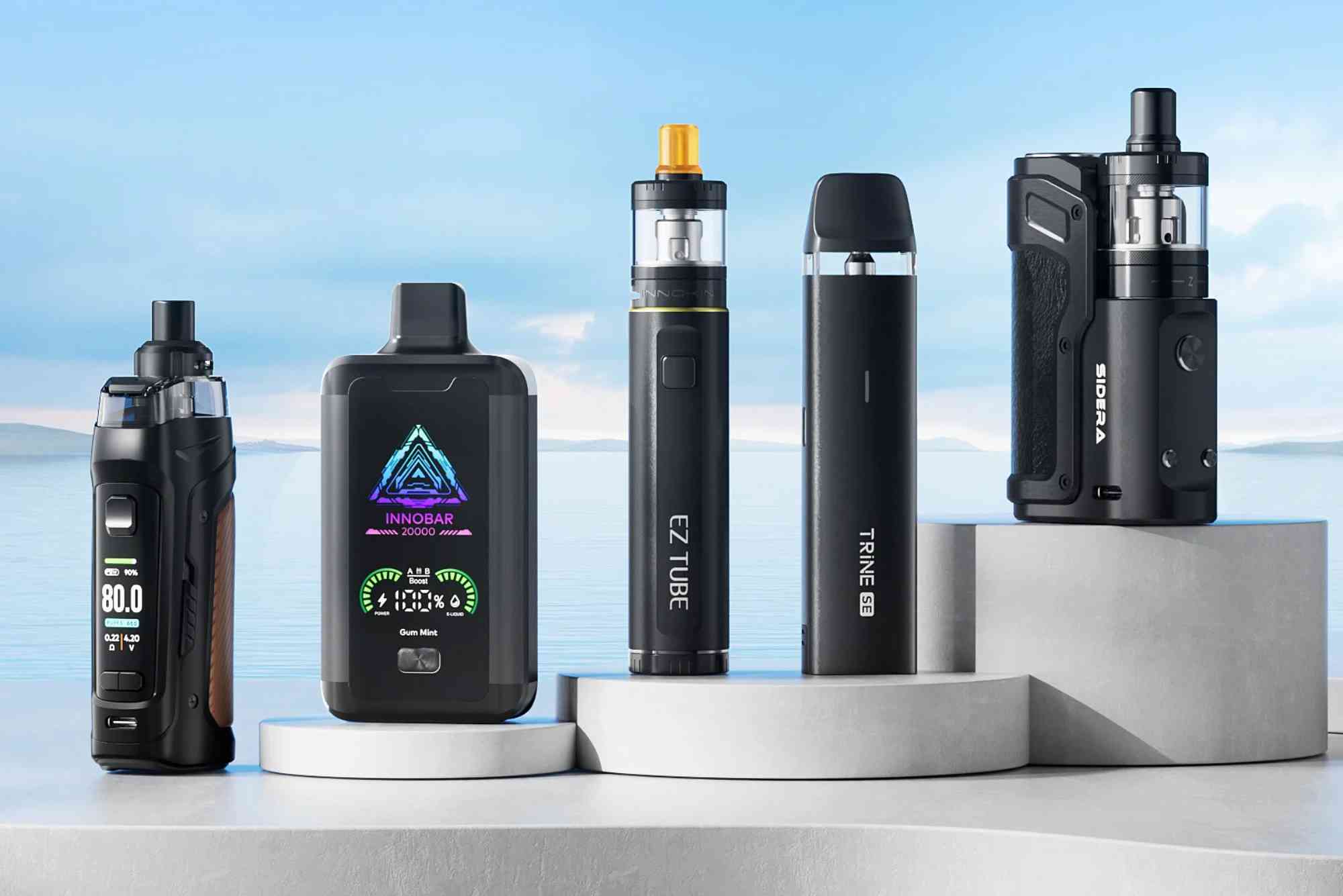
Vaping, on the other hand, heats a liquid (usually containing nicotine, flavorings, and other chemicals) into an aerosol. The user inhales the vapor, not smoke. E-cigarettes and vape pens offer different nicotine levels and flavors, giving users more control over their experience.
Health Benefits of Vaping Over Smoking
One of the most compelling reasons people switch is health. Let’s break down the vaping vs smoking benefits from a wellness perspective.
Fewer Harmful Chemicals
Cigarette smoke contains over 7,000 chemicals—many of which are toxic or carcinogenic. Vaping typically contains far fewer substances. Public Health England (now the UK Health Security Agency) reported that vaping is at least 95% less harmful than smoking. While not entirely risk-free, vaping exposes the body to significantly fewer toxins.

Reduced Respiratory Issues
Smokers often experience chronic cough, wheezing, and shortness of breath. Many people who switch to vaping report improvements in lung function and fewer respiratory problems. The absence of smoke and tar plays a big role in this recovery.
No Tar or Carbon Monoxide
Tar and carbon monoxide are among the most damaging components in cigarettes. Vaping does not produce either, making it a cleaner alternative for your lungs and cardiovascular system.
Lifestyle and Social Benefits of Vaping
The vaping vs smoking benefits go beyond health—they also impact your daily lifestyle.
Less Smell and Staining
One major complaint about smoking is the lingering smell on clothes, hands, breath, and even furniture. Vaping doesn’t leave a strong odor, and most vape scents disappear quickly. It also doesn’t stain your teeth or fingers like tobacco does.
Discreet and Convenient
Vapes are often small, odorless, and easy to use in a variety of settings. They’re more discreet than cigarettes, which require lighters, ashtrays, and disposal. This ease of use is a major lifestyle upgrade for many users.
Flavor Variety
Cigarettes taste like tobacco—period. Vapes come in thousands of flavors, ranging from fruit to dessert to menthol. This variety helps users customize their experience and stay engaged in their smoke-free journey.
Financial Benefits of Vaping
Switching from smoking to vaping also brings substantial economic advantages.
Lower Long-Term Costs
While the initial cost of a vape device may seem high, long-term usage is typically cheaper than buying cigarettes daily. Refillable pods or e-liquids last longer, making vaping a more economical choice.
Budget Control
With vaping, users can control how much nicotine they consume and how often they vape. This flexibility leads to better budgeting compared to a fixed cigarette consumption habit.
Harm Reduction and Smoking Cessation
Many health professionals now view vaping as a tool for harm reduction, especially for smokers who struggle to quit using traditional methods.
Effective Smoking Cessation Tool
A UK clinical trial published in the New England Journal of Medicine found that e-cigarettes were almost twice as effective as nicotine replacement therapy for quitting smoking. While more studies are needed, early research is promising.
Nicotine Control and Gradual Reduction
Vaping allows you to choose e-liquids with different nicotine strengths, giving you the option to gradually lower your intake. This makes it easier for smokers to eventually quit nicotine altogether.
Environmental Impact: Vaping vs Smoking
Environmental concerns also play a role in the vaping vs smoking benefits conversation.
Less Litter and Pollution
Cigarette butts are among the most littered items worldwide. They take years to decompose and are harmful to wildlife. Vaping, with its reusable devices and fewer disposables, can help reduce this environmental burden.
Lower Fire Risk
Discarded cigarette butts cause numerous fires every year. Since vaping doesn’t involve an open flame or burning material, it drastically reduces the fire hazard.
Addressing Common Concerns About Vaping
Despite its benefits, some skepticism remains about vaping. Let’s address a few major concerns.
Is Vaping Completely Safe?
No. Vaping is not risk-free. However, according to current evidence, it’s significantly less harmful than smoking. It’s intended for adult smokers looking to quit—not for non-smokers or young people.
Are There Long-Term Studies?
Vaping is still relatively new, so long-term studies are limited. However, ongoing research from health agencies worldwide continues to show vaping as a safer alternative to tobacco use when used responsibly.
Real-Life Testimonials: Why People Choose Vaping
Many former smokers have found success switching to vaping. They report:
- Improved breathing within weeks
- Better sense of taste and smell
- Increased stamina and energy
- Significant financial savings
- More social freedom due to less stigma
These real-world benefits reinforce the science behind the advantages of vaping.
Expert Opinions on Vaping vs Smoking
Respected health organizations have weighed in on the issue:
- Public Health England: Vaping is at least 95% less harmful than smoking.
- Cancer Research UK: Vaping is far less harmful than smoking and can be an effective aid to quit.
- American Heart Association: While cautious, it supports vaping as a less harmful alternative for smokers unable to quit.
These endorsements highlight how health experts are shifting their views in light of new evidence.
FAQ: People Also Ask About Vaping vs Smoking
Is vaping better than smoking for your lungs?
Yes, vaping is less harmful to your lungs than smoking. It doesn’t produce tar or many of the harmful chemicals found in cigarette smoke, which damage lung tissue over time.
Can vaping help me quit smoking?
Yes. Vaping has helped many smokers quit or reduce their cigarette use. Many people gradually lower their nicotine levels and eventually stop altogether.
Does vaping cause less addiction than smoking?
Vaping can be addictive due to nicotine, but users have control over nicotine strength and can wean themselves off more easily than with cigarettes.
Is secondhand vape harmful?
Secondhand vape exposure is significantly less harmful than secondhand smoke. However, it’s still recommended to avoid vaping around children, pregnant women, or in enclosed public spaces.
Is vaping more socially acceptable than smoking?
In many places, yes. Vaping has less odor, is less invasive, and doesn’t produce ash or butts, making it more acceptable in public and private spaces.
Making the Switch for a Better Future
The vaping vs smoking benefits are clear when it comes to health, lifestyle, and cost. While vaping is not entirely risk-free, it offers a safer and more flexible alternative for adult smokers seeking to quit or cut back. If you’re looking to break free from tobacco, vaping may be the step forward you need.
Are you ready to explore the benefits of vaping over smoking? Start by researching reputable vape brands, speak with your doctor, and take the first step toward a healthier lifestyle today.