
Introduction
For many people exploring alternatives to smoking, one common question arises: what’s an e cigarette? The popularity of vaping has surged globally, offering smokers an option that avoids the combustion of traditional tobacco. Alongside this rise, safety concerns have emerged, particularly around device maintenance and charging habits.
Understanding what an e cigarette is, how it functions, and how to use it responsibly is essential. Safe charging practices are just as important as knowing how to inhale properly or maintain the device. With reports of accidents linked to mishandled batteries, being informed could make the difference between a smooth vaping experience and a dangerous one.
This article explains what an e cigarette is, explores its components, discusses how it works, and provides expert insight into safe charging habits that every vape user should adopt.
What’s an E Cigarette?
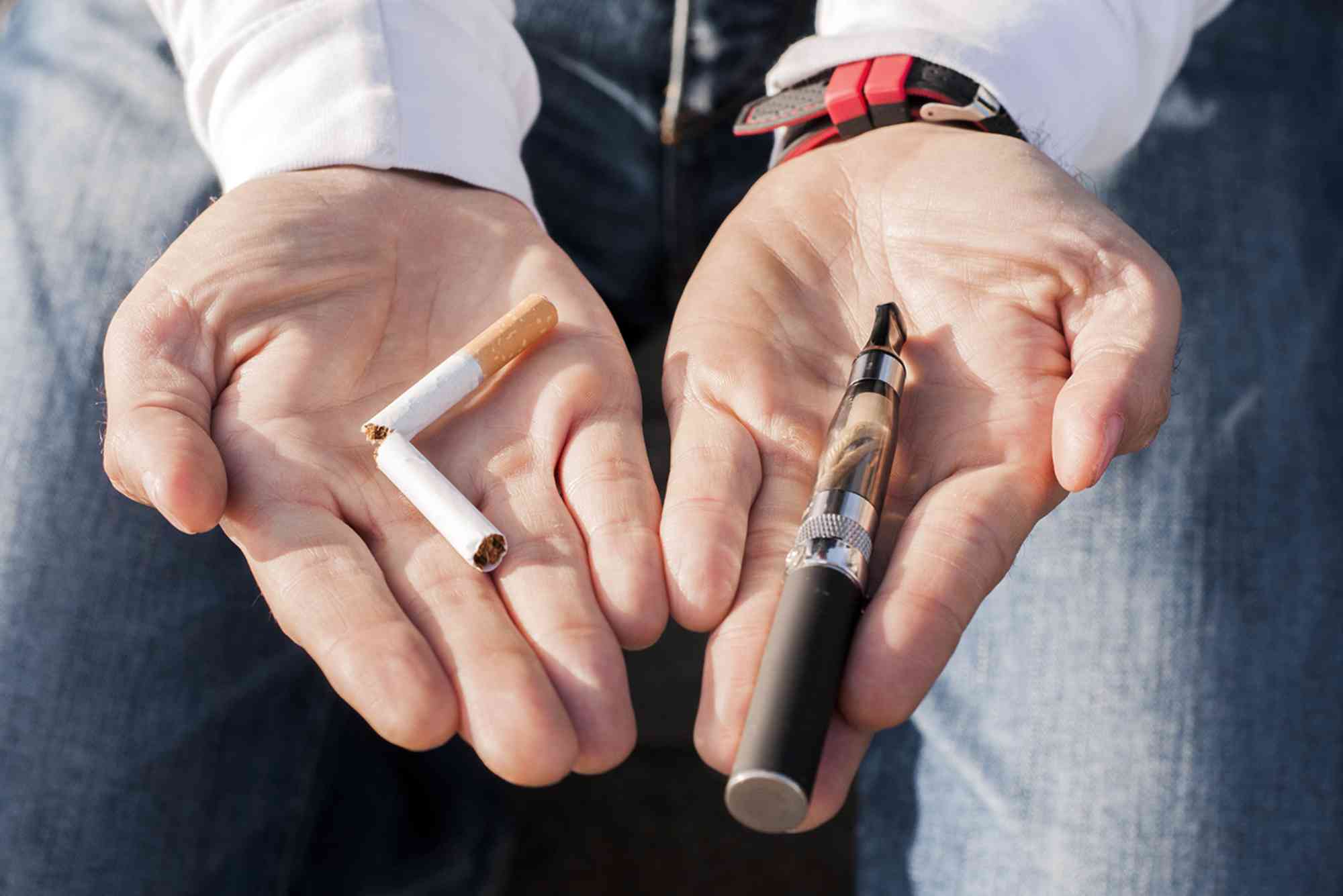
At its core, an e cigarette—often simply called a vape—is an electronic device designed to simulate smoking. Unlike traditional cigarettes that rely on burning tobacco, an e cigarette heats a liquid solution into vapor. This process, known as vaporization, delivers nicotine and flavor without the smoke associated with combustion.
The main parts of an e cigarette include the battery, the heating element (commonly referred to as the coil), a tank or pod that holds e-liquid, and the mouthpiece. When the device is activated, the battery sends power to the coil, which heats the e-liquid until it becomes vapor. The user then inhales the vapor in a process similar to smoking.
Because there’s no burning involved, e cigarettes typically avoid some of the harmful byproducts found in tobacco smoke, such as tar and carbon monoxide. This is one reason why many smokers turn to vaping as a substitute. However, it’s important to remember that while e cigarettes may reduce exposure to certain toxins, they are not entirely risk-free.

How Do E Cigarettes Work?
E cigarettes are powered by rechargeable lithium-ion batteries. When the user presses a button or inhales through the mouthpiece (depending on the model), the battery activates the coil. The coil then heats the e-liquid, transforming it into vapor almost instantly.
E-liquids, also known as vape juice, are usually made of propylene glycol, vegetable glycerin, nicotine, and flavorings. The ratio of these ingredients determines the thickness of the vapor and the strength of the throat hit. Higher vegetable glycerin levels produce denser clouds, while higher propylene glycol enhances the flavor experience.
Modern e cigarettes range from compact pod systems to advanced box mods that allow users to control wattage and temperature. Despite these differences, the fundamental principle remains the same: a battery powers a heating element that vaporizes liquid.
Why Understanding Charging Habits Matters
Since the battery is the heart of an e cigarette, knowing how to charge it safely is vital. Lithium-ion batteries are powerful but sensitive. Incorrect charging practices can lead to overheating, swelling, or, in rare cases, fire hazards. Reports of e cigarettes malfunctioning often stem not from the device itself but from the way it was charged.
With vaping now mainstream, education around safe charging habits is crucial for both new and experienced users. Preventing accidents is not only about protecting the device but also about ensuring personal safety.
Safe Charging Habits for Vape Users
Use the Correct Charger
Every e cigarette comes with a specific charging cable or dock. Using third-party or incompatible chargers can cause voltage mismatches. This strain may damage the battery or shorten its lifespan. Manufacturers test devices with their own chargers, so it’s always best to stick with what comes in the box.
Avoid Overnight Charging
Many people plug in their devices before bed, expecting a full charge by morning. However, keeping an e cigarette connected for hours after it’s fully charged can overwork the battery. While modern devices often include protection features, it’s still wise to disconnect once the indicator shows a complete charge.
Keep the Charging Area Safe
Charging should always be done on a flat, stable surface, away from flammable materials. Placing the device on a bed, couch, or under a pillow while charging can trap heat and increase risk. A clear desk or table is far safer.
Watch for Battery Condition
Batteries don’t last forever. Over time, they lose efficiency, hold less charge, and may show warning signs such as swelling or overheating. If a battery appears damaged, replacing it immediately is essential. Continuing to use a compromised battery is one of the leading causes of vape-related accidents.
Avoid Extreme Temperatures
Charging an e cigarette in very hot or cold environments puts stress on the battery. For example, leaving it in a car on a summer day or near a heater can degrade its performance. Always charge in a moderate temperature environment for maximum safety and battery health.
Common Mistakes Vape Users Make
Despite clear guidelines, many users unknowingly adopt unsafe charging practices. A common mistake is using a phone charger because it seems convenient. Another issue is leaving the device plugged into a laptop USB port, which can sometimes deliver inconsistent power levels.
Another oversight is continuing to use a damaged charging cable. Frayed wires or loose connections can spark or create unstable currents. Simple steps, like replacing old cables, make a huge difference in keeping the device safe.
Even something as routine as multitasking while charging—like placing the vape under a pile of papers—creates unnecessary risks. Awareness and mindfulness play a big role in safe vaping habits.
Benefits of Safe Charging Habits
When vape users follow safe charging practices, the advantages are clear. First, it extends the battery’s lifespan, saving money on replacements. Second, it ensures consistent performance, meaning fewer interruptions during use. Third, and most importantly, it minimizes the chance of accidents that could damage property or cause injury.
Maintaining safe charging habits also gives users peace of mind. Vaping is meant to be an alternative for enjoyment or smoking reduction, not a source of stress. By adopting a safety-first mindset, users can focus on their experience without unnecessary concerns.
Frequently Asked Questions
What’s the difference between an e cigarette and a vape?
The terms are often used interchangeably. Generally, e cigarette refers to smaller, cigarette-like devices, while vape is a broader term that includes larger systems like box mods.
Can e cigarettes explode while charging?
Incidents are rare but possible, usually due to improper charging practices or damaged batteries. Using the correct charger and following safe habits greatly reduces risk.
How long does it take to charge an e cigarette?
Most e cigarettes take between one and three hours to charge fully, depending on the model and battery size. Avoid rushing the process with fast chargers.
Is it safe to charge an e cigarette with a phone charger?
Not all phone chargers are suitable. Using the wrong voltage can damage the battery. It’s always safer to use the manufacturer’s charger.
Should I let my vape battery fully drain before charging?
Modern lithium-ion batteries don’t need to be fully drained. In fact, frequent partial charges are better for longevity than allowing complete discharge.
When asking what’s an e cigarette, the answer goes beyond just describing a device that turns liquid into vapor. It’s also about understanding how it works, how to use it responsibly, and how to keep it safe. At the center of this knowledge lies the importance of proper charging habits.


