
Why Are the 3500 Vapes Illegal and Vaping Health Risks: What Research Shows
In recent years, vaping has surged in popularity across the globe, particularly among young people who see it as a safer alternative to smoking. Among the many devices available, the 3500 puff disposable vape has gained significant attention for its convenience and long-lasting use. However, questions like why are the 3500 vapes illegal have emerged as governments crack down on these products. The answer lies in a combination of regulatory restrictions, public health concerns, and scientific research on vaping’s risks.
Why Are the 3500 Vapes Illegal
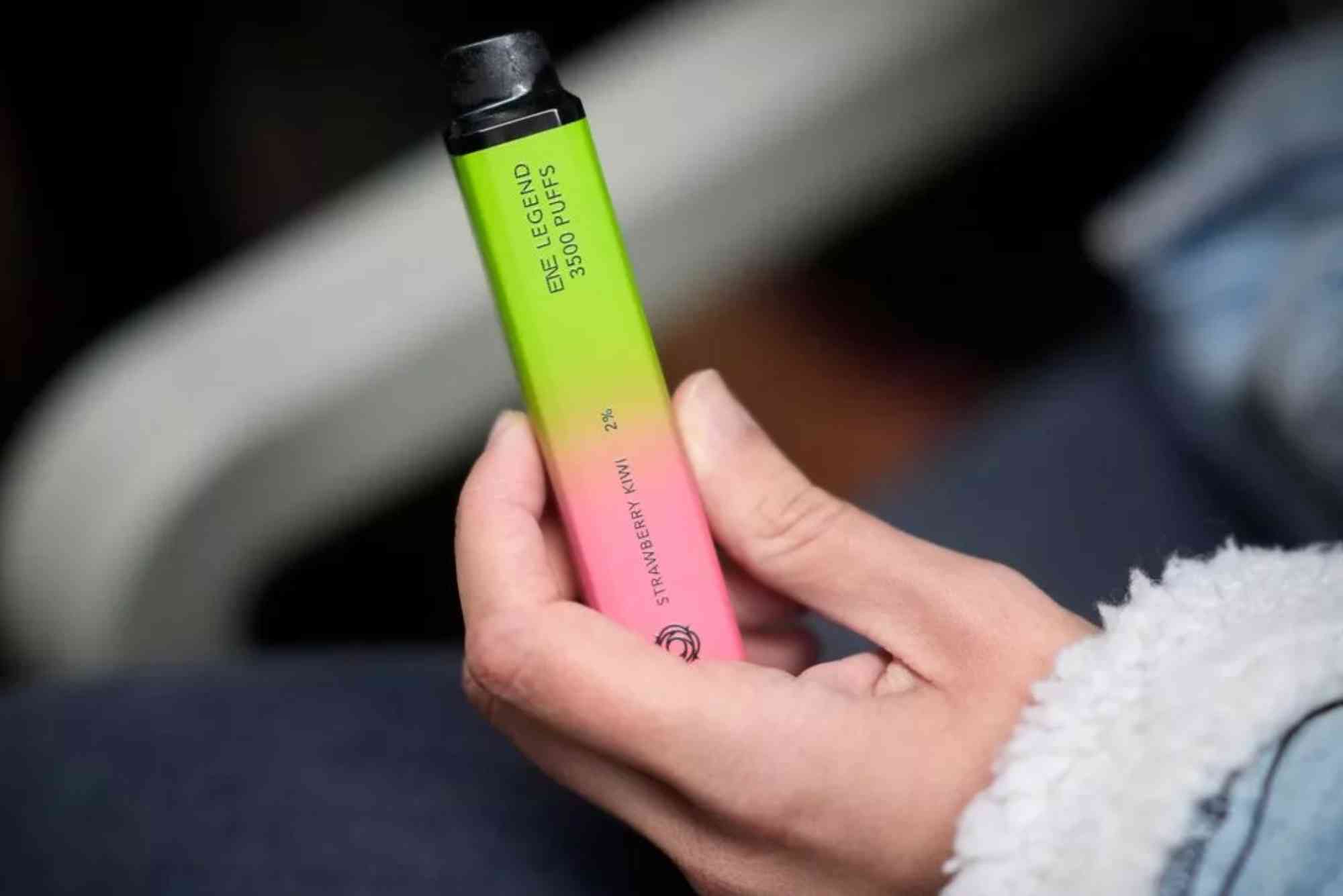
The 3500 puff vapes are categorized as high-capacity disposable e-cigarettes. They usually contain much more e-liquid than legal limits allow in many countries. For example, in the United States, the Food and Drug Administration (FDA) regulates e-cigarettes under strict guidelines. Any product not authorized by the FDA is considered illegal for sale. The 3500 vapes fall into this category because they exceed capacity limits, often contain flavors targeted toward youth, and have not gone through proper regulatory approval.
In Europe, regulations under the Tobacco Products Directive (TPD) limit disposable e-cigarettes to 2 ml of e-liquid and a maximum nicotine strength of 20 mg/ml. The 3500 puff disposables far exceed this amount, sometimes containing up to 10 ml or more of liquid. Because they do not comply with TPD rules, they are deemed illegal across the European Union.
Governments argue that the oversized capacity and candy-like flavors of 3500 vapes make them especially appealing to teenagers. Since youth vaping is considered a growing epidemic, regulators have prioritized banning these products to prevent nicotine addiction among minors.
The Role of Flavors in the Ban
Another major factor behind the question of why are the 3500 vapes illegal lies in the flavors offered. Most of these disposables come in enticing options such as mango ice, blue raspberry, or cotton candy. Research shows that flavored vaping products significantly increase the likelihood of teenagers trying e-cigarettes. According to a 2022 study in the journal Addictive Behaviors, young users are nearly three times more likely to start vaping with fruit or candy flavors compared to tobacco flavors.
This has alarmed health officials, who believe that banning 3500 puff vapes helps reduce the appeal of vaping to underage users. Flavor restrictions have already been introduced in several states and countries, and large-capacity flavored disposables fall directly under these bans.

What Research Shows About Vaping Health Risks
While vaping is often marketed as a safer alternative to smoking, growing evidence suggests that it is not risk-free. Understanding the health risks helps explain why are the 3500 vapes illegal.
Nicotine Addiction
Nicotine is the central concern. A single 3500 puff vape can deliver the nicotine equivalent of several packs of cigarettes. This excessive exposure increases the likelihood of addiction, especially in younger users whose brains are still developing. Research published in The New England Journal of Medicine highlights how nicotine alters brain pathways, leading to long-term dependency and difficulty quitting.
Lung Damage
Although vaping avoids the combustion of tobacco, inhaling aerosolized chemicals still harms the lungs. Studies from the American Lung Association report that e-cigarette vapor contains harmful substances like formaldehyde, acrolein, and heavy metals. These chemicals are linked to lung inflammation, chronic bronchitis, and in severe cases, a condition called “popcorn lung.”
Heart Disease Risks
Vaping also places stress on the cardiovascular system. Research from the American Heart Association indicates that regular e-cigarette use can elevate heart rate, blood pressure, and the risk of heart attacks. The high nicotine levels in 3500 vapes make these risks even more concerning.
Gateway to Smoking
One of the strongest arguments for regulating or banning high-capacity vapes is the gateway effect. A 2021 study by the National Institutes of Health found that teenagers who vape are more likely to transition to cigarette smoking within two years. The availability of large, flavored disposables makes this gateway even easier, which is why policymakers often push for restrictions.
Legal Enforcement Around 3500 Vapes
United States
In the US, the FDA has issued warning letters to retailers and manufacturers selling unauthorized 3500 puff vapes. Customs and Border Protection also seizes shipments of these products when imported. Penalties for selling them can include heavy fines and product confiscation.
United Kingdom and European Union
The UK and EU have clear legal frameworks under the TPD. Any vape that exceeds 2 ml capacity or is not registered with regulators is automatically banned. Enforcement includes fines for retailers and removal of illegal products from shelves.
Other Countries
Australia has some of the toughest vape laws, requiring a doctor’s prescription for nicotine vapes. Large disposables like 3500 puffs are completely illegal. Countries like Singapore, India, and Thailand have gone further, banning all e-cigarettes regardless of size. These laws demonstrate global concern over vaping and its health consequences.
Why Governments Focus on High-Capacity Disposables
The crackdown on 3500 puff disposables is not random. These products stand out because they deliver thousands of puffs, meaning prolonged nicotine exposure in a single device. Unlike smaller, refillable vapes, disposables are cheap, colorful, and marketed as trendy. This combination makes them attractive to young users, which is why public health campaigns specifically highlight them as problematic.
Public Health Perspective
From a public health viewpoint, the decision to make 3500 vapes illegal is a preventative measure. Authorities do not want to repeat the mistakes of the cigarette industry, where millions of people became addicted before regulations caught up. By banning oversized disposables now, governments aim to prevent a new generation from facing lifelong nicotine dependence.
What Parents and Educators Should Know
Parents and teachers often struggle to understand why vaping is popular among teens. Many students see 3500 puff vapes as harmless because they do not smell like cigarettes. However, understanding the health risks and the addictive nature of nicotine is critical. Open discussions, education campaigns, and awareness of the signs of vaping can help reduce use among adolescents.
The debate over why are the 3500 vapes illegal highlights the balance between personal freedom, public health, and youth protection. These oversized disposables exceed legal e-liquid limits, encourage underage use with candy-like flavors, and pose significant health risks backed by research. While vaping may serve as a harm-reduction tool for adult smokers, products like 3500 puff vapes cross the line by making nicotine more addictive and accessible than ever.
As laws tighten worldwide, the focus remains on preventing youth from falling into nicotine addiction. If you or someone you know uses these devices, now is the time to consider healthier alternatives and stay informed about the risks. Public health depends on responsible choices, and awareness is the first step toward change. Stay updated on vaping regulations in your country, make informed health decisions, and if you are a smoker looking to quit, consult a healthcare professional for safe, evidence-based options instead of relying on illegal, high-capacity vapes.
FAQs
Why are the 3500 vapes illegal?
They are illegal because they exceed legal size limits, often lack regulatory approval, and are considered a risk for youth addiction.
Do 3500 vapes have more nicotine than regular vapes?
Yes, they often contain the nicotine equivalent of several cigarette packs, making them highly addictive.
Are flavored vapes banned everywhere?
Not everywhere, but many countries and states restrict or ban flavored disposables due to youth appeal.
Is vaping safer than smoking?
Vaping may be less harmful than smoking traditional cigarettes, but it still carries risks of addiction, lung damage, and heart problems.
Can you get in trouble for selling 3500 vapes?
Yes, selling unauthorized or illegal disposables can result in fines, product seizures, and other penalties depending on local law.


