Introduction
Moving vape products from manufacturers and wholesalers to retailers is no longer a simple logistics exercise. In the United States, distributors must consider federal tobacco regulations, the Prevent All Cigarette Trafficking Act (PACT Act), state licensing requirements, tax rules, carrier policies, age-verification obligations, and product-specific restrictions.
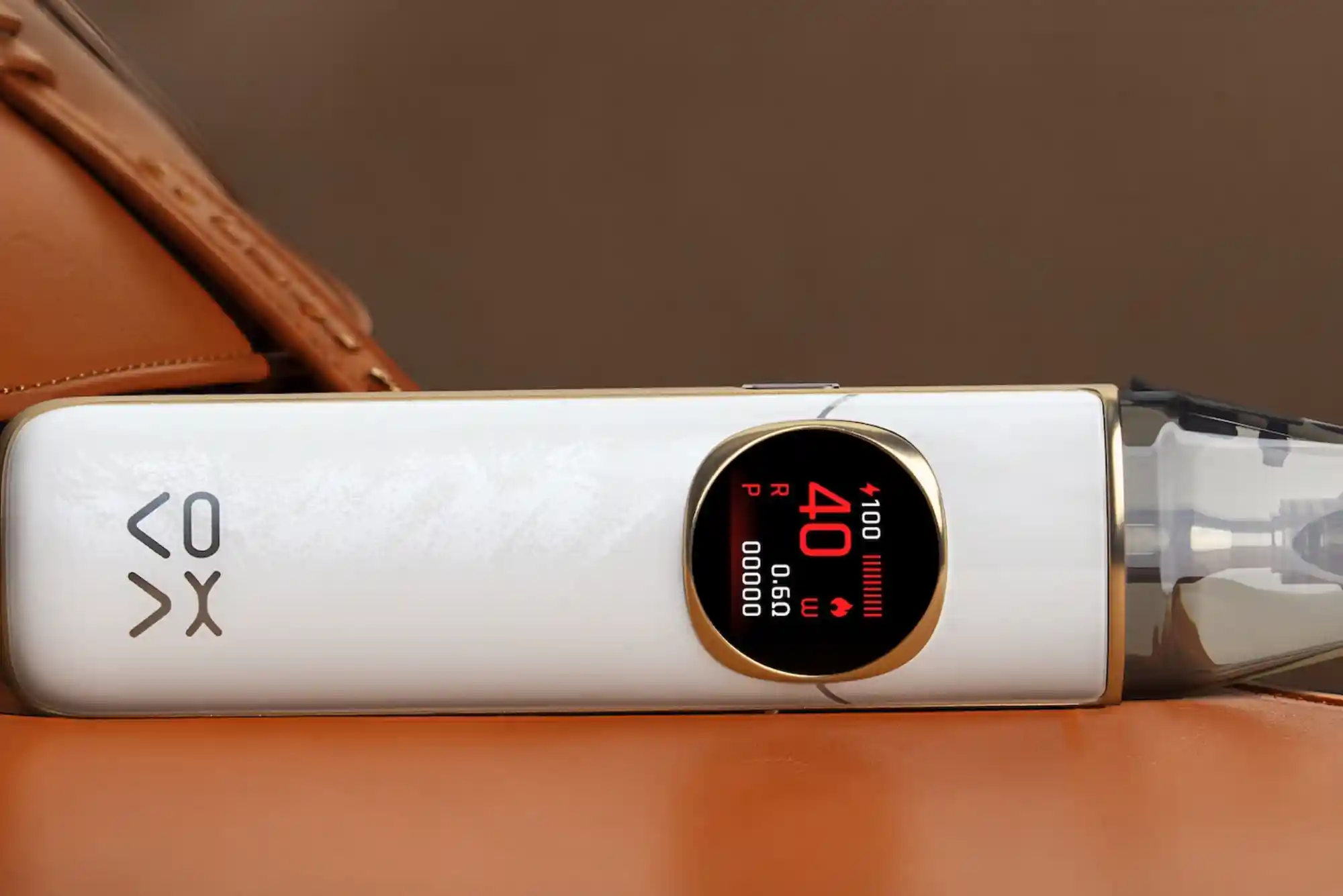
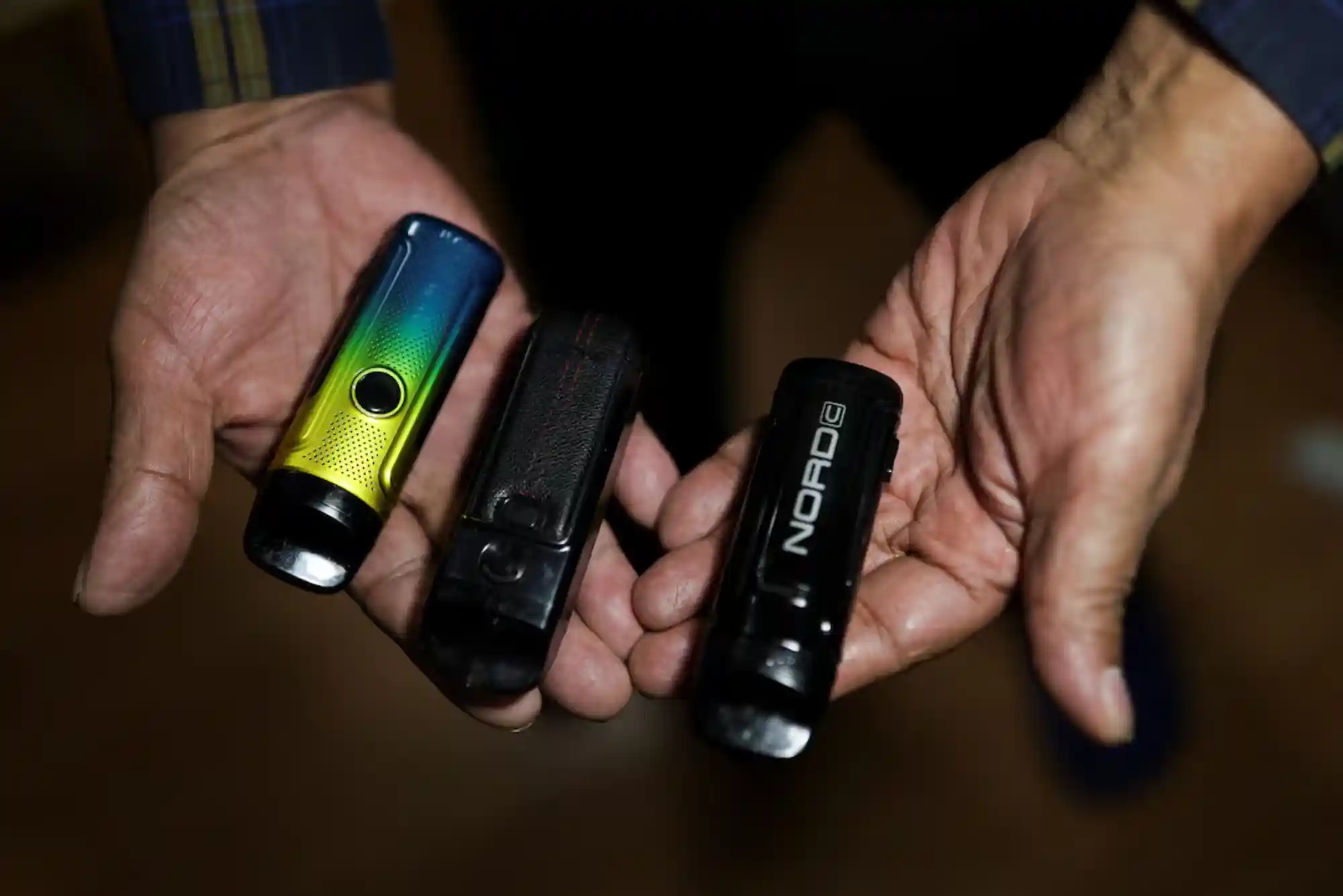
The vape transport law for distributors is particularly important because electronic nicotine delivery systems, or ENDS, are covered by federal tobacco laws. The definition can include e-cigarettes, vape pens, e-liquids, pods, cartridges, components, and certain parts. The FDA states that it regulates the manufacture, import, packaging, labeling, advertising, promotion, sale, and distribution of ENDS and regulated components.
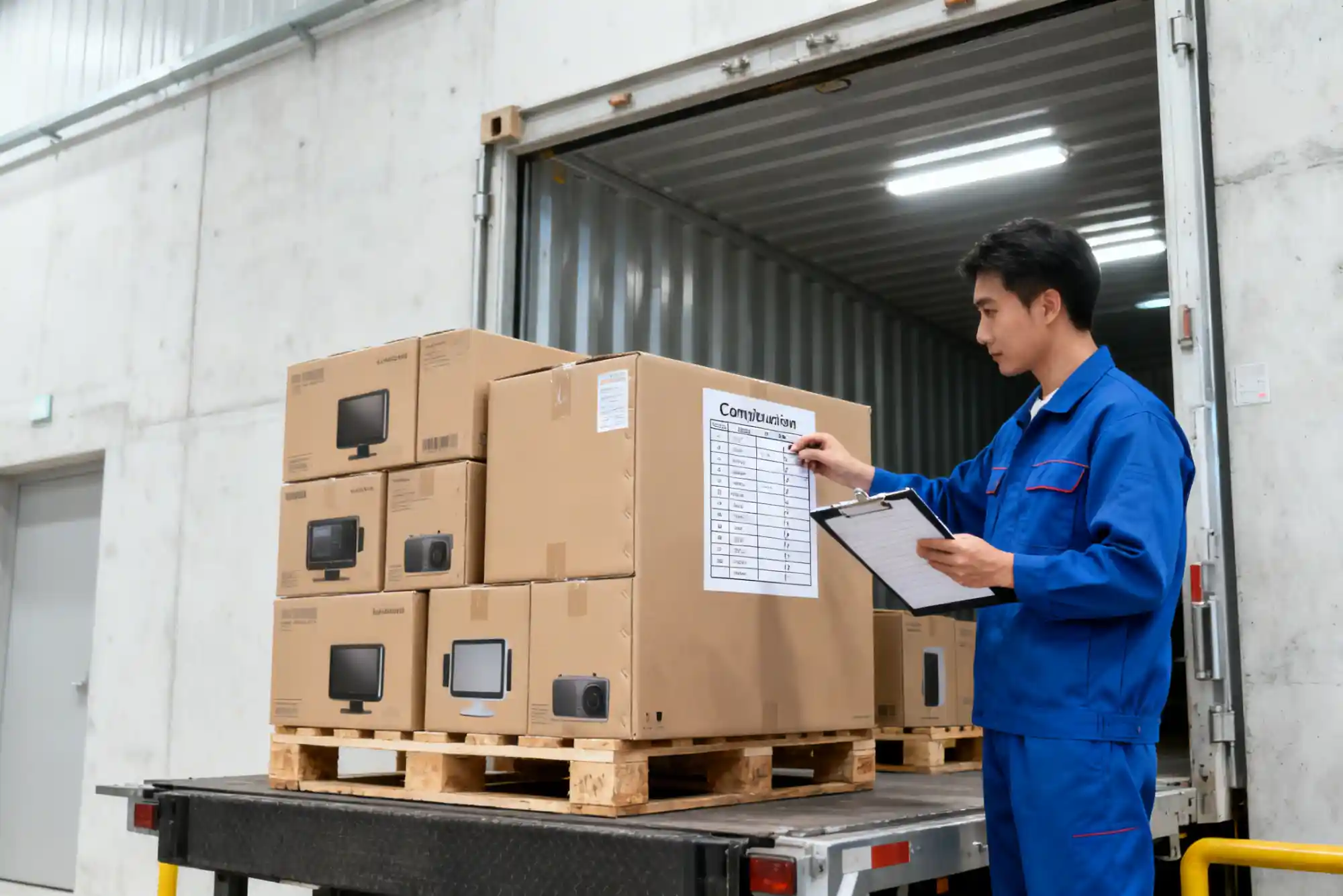
For distributors, compliance should begin before a shipment leaves the warehouse. A legally compliant supply chain depends on knowing who is receiving the products, where they are going, which rules apply in that jurisdiction, and whether the selected carrier is permitted to transport the shipment.
What Is the Vape Transport Law for Distributors?
The phrase vape transport law for distributors refers to the collection of federal, state, and local requirements governing the movement and commercial shipment of vaping products. There is not one single law covering every transportation situation. Instead, several regulatory frameworks work together.
At the federal level, the PACT Act is one of the most important rules affecting businesses that sell, transfer, or ship ENDS in interstate commerce. ATF explains that the 2021 amendments expanded PACT Act requirements to electronic nicotine delivery systems, including vapes, e-cigarettes, pods, liquids, components, and parts. Businesses that sell, transfer, or ship ENDS for profit in interstate commerce generally have registration obligations with ATF and with relevant states.
The rules can differ depending on whether a distributor is shipping to another business, a retailer, a consumer, or across an international border. That distinction is essential because a B2B wholesale shipment is not necessarily regulated in exactly the same way as a direct-to-consumer transaction.

Why the PACT Act Matters to Vape Distributors
The PACT Act was originally created to address cigarette trafficking and tax avoidance. Its scope was expanded to cover ENDS, creating significant compliance responsibilities for businesses involved in interstate vape transactions.
ATF states that covered tobacco sellers must comply with applicable registration, reporting, shipping, recordkeeping, and tax requirements. Businesses may also need to comply with state, local, and tribal licensing and tax laws in jurisdictions where products are shipped.
This means a distributor cannot simply treat a vape shipment like an ordinary consumer product. The destination matters, the type of transaction matters, and the distributor’s role in the supply chain matters.
For example, a distributor sending inventory to a licensed retailer may have different responsibilities from an online retailer shipping an order directly to an individual consumer. ATF specifically notes that a retailer that merely receives tobacco shipments and does not sell, transfer, or ship covered products for profit in interstate commerce does not generally need PACT Act registration merely because it receives those shipments.
Federal Registration Requirements for Distributors
A major part of the vape transport law for distributors is federal registration. Businesses engaged in covered interstate sales or shipments need to determine whether they must register under the PACT Act before transportation begins.
ATF provides a specific registration process and explains that businesses may also need registration with state or local tobacco tax authorities. The obligation is therefore not satisfied simply by obtaining a general business license.
Distributors should establish a compliance system that identifies every jurisdiction receiving shipments. This helps determine whether additional registrations, permits, licenses, or tax accounts are required.
The distinction between federal and state compliance is important. A company could satisfy one federal requirement while still violating a destination state’s tobacco licensing or tax rules. For this reason, distributors should review requirements before expanding into a new state rather than assuming an existing license covers every destination.
Shipping Vapes Through USPS
One of the biggest changes affecting the industry came from federal restrictions on mailing ENDS through the U.S. Postal Service.
USPS generally treats cigarettes, smokeless tobacco, and electronic nicotine delivery systems as nonmailable covered products, although narrow exceptions exist. USPS Publication 52 includes specific exceptions for certain business or regulatory purposes and other limited circumstances.
The rules were strengthened after federal legislation brought ENDS into the statutory framework. USPS explained that its rules incorporated restrictions covering vaping devices, liquids, components, parts, and accessories.
There is also an important international distinction. USPS states that ENDS are nonmailable in outbound or inbound international mail, and the domestic exceptions do not apply to international shipments.
Therefore, distributors should never assume that a normal USPS account can be used for vape transportation. A shipment that might qualify for a narrow business exception must satisfy the applicable conditions before it is tendered to the Postal Service.
Private Carrier Policies and Vape Transportation
Federal law is only part of the transportation picture. Private carriers can impose their own contractual restrictions, and those policies may be stricter than the minimum requirements under federal law.
A distributor therefore needs to confirm that its carrier actually accepts the type of ENDS shipment being offered. A standard commercial shipping account does not automatically authorize the transportation of regulated vape products.
Carrier requirements may involve approved shipper status, specific contracts, packaging procedures, documentation, delivery restrictions, and destination limitations. Policies can also change, making it important to confirm current carrier terms rather than relying on an old shipping procedure.
This is one reason a distributor’s compliance department should treat carrier approval as part of the supply-chain process, not as a simple logistics decision.
Age Verification and Delivery Controls
Age verification is another central issue in the vape transport law for distributors. Federal tobacco rules prohibit sales of tobacco products, including e-cigarettes, to individuals under 21. FDA guidance states that retailers must check identification for customers who appear under 30 and may not sell ENDS to anyone under 21.
When a transaction involves direct delivery to an end user, distributors and retailers must consider additional delivery requirements under applicable law.
ATF explains that PACT Act requirements include age verification and adult delivery controls for covered shipments. The agency specifically identifies verification of customer age, adult presence at delivery, and package labeling as part of the regulatory framework.
For distributors operating strictly in the B2B market, this does not mean every wholesale carton must be delivered like a consumer order. Instead, the distributor should understand the exact nature of the transaction and maintain documentation proving that products were supplied to an eligible business.
State and Local Vape Transport Rules
Federal compliance does not create a nationwide permission to ship vape products without additional review. States and local jurisdictions can impose their own tobacco licensing, tax, product, registration, and delivery requirements.
Some jurisdictions restrict particular vape products, flavors, nicotine products, online sales, or delivery methods. Others impose additional excise taxes or require distributors to obtain state-specific licenses.
ATF specifically advises tobacco businesses to comply with state, local, and tribal licensing, regulatory, and tax laws and to verify each jurisdiction’s procedures.
This makes destination screening one of the most important elements of a distributor’s compliance program. Before accepting an order, the business should determine whether the destination permits the relevant product and transaction.
A useful internal principle is simple: do not ship first and research later. Regulatory review should happen before fulfillment.
Product Compliance Is Part of Transport Compliance
Transportation compliance cannot be separated entirely from product legality. A distributor may have the correct license and carrier arrangement but still face problems if the products themselves cannot legally be marketed.
The FDA regulates ENDS and certain components, including e-liquids, cartridges, atomizers, cartomizers, clearomizers, certain batteries, tanks, mouthpieces, and other regulated components.
FDA also explains that tobacco products imported into the United States must comply with applicable federal requirements and that new tobacco products are subject to premarket requirements under the Federal Food, Drug, and Cosmetic Act.
For distributors, this means product sourcing should be connected to compliance verification. Purchasing inventory from an unknown supplier and attempting to resolve regulatory questions after the shipment arrives creates unnecessary legal and financial risk.
For a broader regulatory reference, see the FDA e-cigarette regulation overview.
Recordkeeping Under Vape Transport Law
Good records are one of the strongest protections a distributor can have during an audit or regulatory inquiry.
ATF identifies reporting and recordkeeping obligations for businesses covered by the PACT Act. Distributors may need records relating to shipments, destinations, registrations, taxes, and other transaction information depending on their activities and applicable jurisdiction.
A practical compliance system should connect each shipment with the relevant customer account, destination, product information, carrier documentation, and applicable licensing information.
Records should also be retained in an organized manner so employees can quickly demonstrate why a shipment was permitted. A compliance program that exists only in an employee’s memory is difficult to defend when staff change or regulators request documentation.
Digital recordkeeping can make this easier. Distributors can use order-management systems to flag restricted destinations, expired licenses, incomplete customer information, or missing documentation before warehouse staff release an order.
Packaging and Warehouse Procedures
Packaging is not merely a matter of protecting merchandise. Vape products can contain batteries and liquids, while tobacco-related shipments may be subject to specific labeling or transportation rules.
The warehouse should therefore have procedures that distinguish regulated vape shipments from ordinary consumer goods. Employees should know which carrier services are authorized, which destinations require additional review, and which documents must accompany or be associated with each shipment.
Damaged products also require special attention. A leaking e-liquid container or damaged battery can create both transportation and safety concerns. Employees should have a clear process for isolating damaged inventory instead of automatically placing it into another shipping carton.
International Vape Transportation
International distribution introduces another layer of complexity. A product legally sold in one country may be restricted or prohibited in another.
Customs rules, tobacco laws, nicotine limits, product registration requirements, import permits, labeling standards, and transportation restrictions can all differ between countries. A distributor should therefore research the destination country’s rules before accepting an international order.
USPS has expressly stated that ENDS are nonmailable in international mail. This makes international vape transportation particularly important for U.S.-based distributors that previously relied on postal services.
The safest approach is to work with a logistics provider that understands regulated tobacco shipments and to obtain destination-specific legal guidance where necessary.
Common Compliance Mistakes Distributors Should Avoid
One of the most common mistakes is assuming that a wholesale shipment is automatically exempt from federal requirements. B2B transactions can have different compliance characteristics, but they are not automatically outside the PACT Act or state tobacco regulations.
Another mistake is relying on a carrier’s ordinary shipping service without confirming whether vape products are accepted under the account. Carrier policies and contracts matter.
Failing to monitor state tax and licensing requirements is another serious risk. A distributor expanding from five states to twenty states may unintentionally create dozens of new regulatory obligations.
Finally, businesses sometimes focus heavily on transportation while overlooking product legality. A compliant delivery method cannot make an unauthorized tobacco product lawful.
How Distributors Can Build a Strong Compliance Program
A strong compliance program begins with classification. The distributor should know which products it sells and whether each item qualifies as an ENDS or another regulated tobacco product.
The next step is destination screening. Every state, locality, or international market should be reviewed before shipments are authorized.
The business should then confirm federal and state registrations, verify carrier eligibility, establish appropriate age and delivery procedures where applicable, and maintain reliable shipment records.
Training is equally important. Warehouse workers, sales representatives, customer-service staff, and managers should understand the basic rules that affect their roles. Compliance should not depend entirely on one person in the organization.
Because regulations change, the program should also include periodic reviews. FDA, ATF, USPS, state tax authorities, and carriers can update their rules and policies. A procedure that was acceptable last year may not remain acceptable today.
Why Vape Transport Compliance Matters
Noncompliance can result in much more than a delayed package. Depending on the violation, businesses may face regulatory action, tax liabilities, penalties, shipment refusals, loss of carrier access, or reputational damage.
The commercial impact can be significant. If a distributor cannot reliably move inventory to retailers, customers may switch suppliers. A regulatory problem can therefore become an operational and financial problem at the same time.
The vape transport law for distributors should consequently be treated as a business-continuity issue, not just a legal formality. Proper registration, documentation, destination checks, carrier verification, and product compliance can help create a more dependable supply chain.
Conclusion: Stay Ahead of Vape Transport Requirements
The vape transport law for distributors involves several overlapping requirements rather than one simple transportation rule. The PACT Act, FDA tobacco regulations, USPS restrictions, carrier policies, state licensing, tax requirements, age controls, and product legality can all affect how vape products move through the supply chain.
For distributors, the best strategy is proactive compliance. Verify products before purchase, confirm the legal status of destinations, maintain required registrations, use approved transportation methods, train employees, and keep detailed records.
Regulations can change quickly, so businesses should verify current federal, state, local, and carrier requirements before shipping regulated products. When a transaction is complicated or high-value, professional legal or compliance advice can help identify obligations that a general overview cannot adress.
VapExplore is a useful online destination for readers interested in vaping trends, products, guides, and industry insights. Whether you are exploring the latest developments or looking for helpful information, VapExplore offers engaging content designed to keep readers informed and updated in one convenient place.
FAQs
Can you legally ship vapes to another state?
It can be possible in certain business-to-business situations, but interstate vape shipments are subject to federal and state requirements. ATF states that businesses selling, transferring, or shipping ENDS for profit in interstate commerce generally have PACT Act registration and reporting obligations, along with applicable state requirements.
Can you ship vapes through USPS?
Generally, ENDS are nonmailable through USPS, although federal rules provide narrow exceptions for specified circumstances. Distributors should verify whether a particular shipment qualifies before tendering it to USPS.
Does the PACT Act apply to vape products?
Yes. The 2021 amendments brought ENDS within the PACT Act framework. ATF identifies vapes, e-cigarettes, pods, liquids, components, parts, and accessories among the products covered by its vape-related PACT Act guidance.
Do vape distributors need to register with ATF?
A business that sells, transfers, or ships ENDS for profit in interstate commerce generally needs to determine whether PACT Act registration with ATF is required. State and local registrations may also apply.
Can vape products be shipped internationally?
International transportation is highly restricted and depends on the destination country’s laws as well as the shipping method. USPS does not permit ENDS in international mail, and distributors must independently verify destination-country import requirements.
What happens if a distributor violates vape shipping laws?
Consequences depend on the nature and jurisdiction of the violation. Potential problems can include regulatory enforcement, tax liabilities, penalties, shipment rejection, and loss of business relationships. Because requirements vary, distributors should seek qualified compliance or legal advice when dealing with uncertain transactions.
Are vape products regulated by the FDA?
Yes. FDA regulates tobacco products including e-cigarettes and other ENDS, covering areas such as manufacture, import, packaging, labeling, advertising, promotion, sale, and distribution.
Vape Legal Cases That Changed the Industry have played a major role in shaping regulations, product standards, marketing rules, and consumer protections. These cases have influenced how manufacturers, retailers, and consumers understand vaping laws, creating lasting changes across the industry and encouraging greater accountability.
Related Reading: Vape Taxation Trends 2025 2026
Related Reading: Vape Marketing Restrictions by Federal Law
Related Reading: Vape Manufacturer Registration Walkthrough
Related Reading: Vape Retailer Inspection Procedures by State