Vaping and High-End Fashion: How Vape Brands Are Entering Luxury Fashion
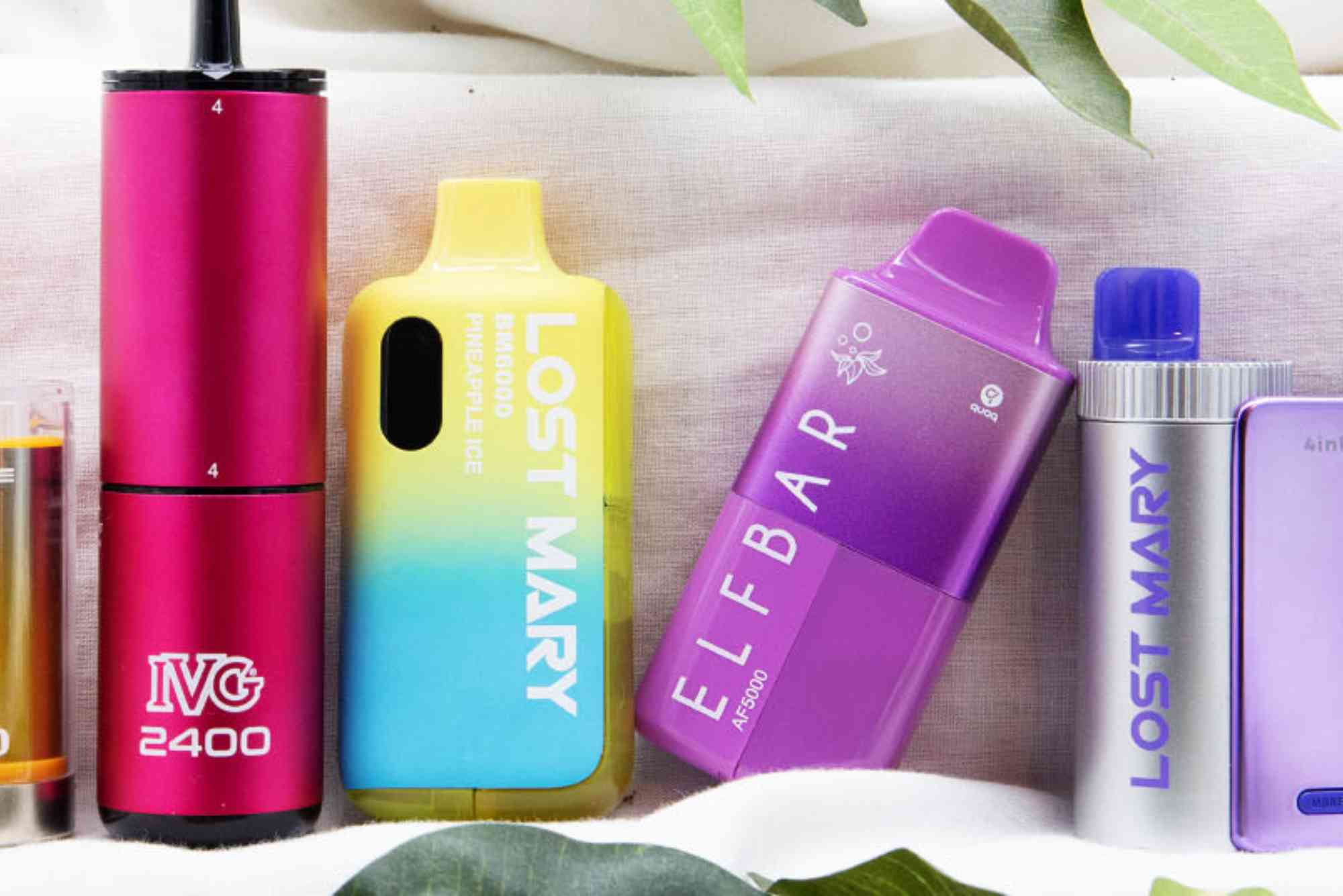
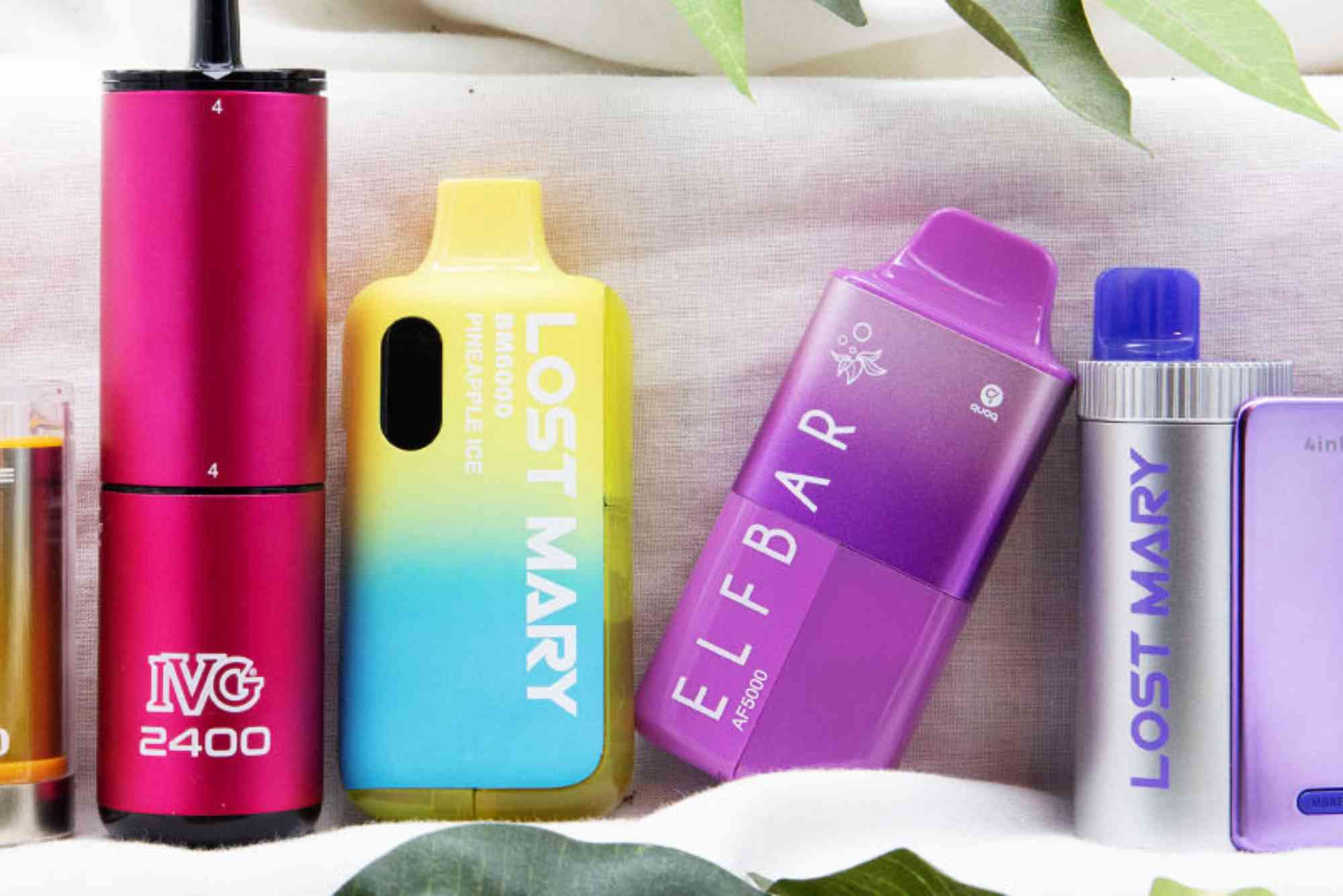
The worlds of vaping and fashion are becoming increasingly connected. Vape products were once viewed mainly as functional devices. Today, some brands are focusing heavily on design, materials, and visual identity. This shift has created an interesting connection between vaping and high-end fashion.
Vaping and High-End Fashion: How Vape Brands Are Entering Luxury Fashion is no longer simply a niche design discussion. It reflects a broader movement toward lifestyle-focused consumer products. Premium vape brands increasingly use refined finishes, compact forms, and distinctive packaging.
At the same time, luxury fashion continues to influence how people view everyday accessories. Watches, handbags, sunglasses, and smartphones can express personal style. Vape devices can also become part of that visual identity.
The trend deserves attention because design now plays a major role in product differentiation. However, responsible marketing and local regulations remain essential.
Why Vaping and High-End Fashion Are Coming Together
Fashion has always influenced products beyond clothing. Designers often transform ordinary objects into recognizable lifestyle accessories. The same principle can apply to vaping devices.
Modern consumers frequently consider appearance alongside functionality. A device may need to perform well, but its finish and shape can also influence purchasing decisions.

This is particularly relevant in premium markets. Luxury buyers often look for craftsmanship, exclusivity, and attention to detail. Therefore, vape companies are exploring similar design principles.
The relationship also works in reverse. Fashion culture can adopt visual elements from technology, streetwear, and contemporary lifestyle products.
As a result, vaping and high-end fashion can share several design characteristics. Minimalism, premium materials, limited releases, and strong branding are common examples.
How Vape Brands Are Adopting Luxury Design
The most noticeable change is the appearance of vaping devices. Earlier products often emphasized technical specifications. Newer premium designs can place much greater attention on visual presentation.
Premium Materials and Finishes
Materials can dramatically change how a product feels. Stainless steel, aluminum, glass, leather-inspired textures, and polished surfaces can create a sophisticated appearance.
Some premium devices also use textured finishes. These details can make a small product feel more carefully engineered.
However, premium appearance should not be confused with genuine luxury craftsmanship. Luxury involves consistency, durability, design originality, and attention to manufacturing quality.
Minimalist Product Design
Minimalism is another important connection between vaping and fashion. Luxury brands often avoid unnecessary visual elements.
Premium vape designs may therefore feature clean surfaces and restrained branding. Simple shapes can make products look more contemporary.
This approach also reflects changing consumer preferences. People increasingly carry several digital and lifestyle accessories. Compact products can fit more naturally into modern wardrobes.
Packaging as a Fashion Statement
Packaging has become another important part of premium branding. Luxury fashion companies understand that presentation influences perception.
Vape brands can apply the same principle through carefully designed boxes, typography, textures, and color palettes.
The packaging experience can communicate a brand’s personality before the product is even used. Nevertheless, packaging should remain compliant with applicable advertising and packaging regulations.
The Influence of Luxury Fashion Trends
Fashion trends often move beyond clothing. They influence watches, mobile devices, accessories, cosmetics, and other personal products.
This explains why Vaping and High-End Fashion: How Vape Brands Are Entering Luxury Fashion has become a relevant conversation within contemporary design.
Current luxury aesthetics often favor understated branding. Neutral tones, sophisticated textures, and functional shapes can create a premium impression.
Vape companies can observe these broader movements when developing their visual identities. However, copying established fashion houses too closely can create legal and reputational problems.
For a deeper look at changing style preferences, discussions around luxury fashion trends for 2025 provide useful context for understanding how premium aesthetics evolve.
Fashion Collaborations and Brand Positioning
Collaborations have become a major part of modern fashion marketing. Clothing companies frequently work with artists, designers, musicians, and technology brands.
Vape companies may also explore collaborations where regulations permit them. Such partnerships can help create distinctive visual identities.
However, the strategy requires careful consideration. Fashion branding can carry strong cultural associations. A collaboration that feels natural can strengthen a brand’s identity. A forced partnership can have the opposite effect.
The strongest collaborations usually share a clear creative concept. They should provide something meaningful rather than simply placing two logos together.
Why Exclusivity Matters in Luxury Markets
Luxury products often rely on a sense of scarcity. Limited availability can increase perceived exclusivity.
Vape brands can use limited-edition design concepts in markets where such practices are legally permitted. Special finishes or collectible packaging can differentiate products.
Yet exclusivity alone does not create luxury. A genuinely premium product needs a convincing reason for its positioning.
Consumers can quickly recognize when a product is simply being made more expensive through branding. Authentic luxury depends on design quality, manufacturing standards, and coherent brand storytelling.
Technology Meets Fashion
Vaping devices are also technology products. Their development involves batteries, heating systems, electronic controls, and material engineering.
This creates another connection with fashion. Modern fashion increasingly intersects with technology through smart accessories and wearable products.
The aesthetic of consumer electronics has therefore become increasingly important. Sleek devices can complement contemporary clothing and accessories.
For vape brands, this means design teams may need to think beyond technical performance. Industrial design, ergonomics, packaging, and brand identity can all influence how consumers perceive a product.
A Simple Comparison of Premium Vape and Luxury Fashion Design
| Design Element | Premium Vape Approach | Luxury Fashion Approach |
|---|---|---|
| Materials | Refined metals and durable finishes | Premium fabrics, metals, leather, and specialty materials |
| Shape | Compact and ergonomic | Functional with distinctive silhouettes |
| Branding | Minimal and carefully positioned | Often subtle and recognizable |
| Packaging | Sophisticated and protective | Designed as part of the overall experience |
| Exclusivity | Limited designs where permitted | Limited collections and seasonal releases |
| Craftsmanship | Precision manufacturing | Detailed construction and finishing |
| Identity | Technology and lifestyle | Heritage, creativity, and lifestyle |
This comparison shows why the two industries can share design principles. Their products serve different purposes, but both can use aesthetics to create stronger brand identities.
The Role of Personal Style
Fashion is ultimately connected to personal expression. People choose accessories that reflect their tastes, interests, and lifestyles.
A premium vape device may therefore be marketed as part of a broader aesthetic. Its shape, finish, and size can influence whether it fits someone’s preferred style.
However, responsible brands should avoid encouraging vaping as a fashion requirement. Design should improve product presentation rather than glamorize nicotine use.
This distinction is especially important when advertising regulations restrict lifestyle-oriented promotion.
Sustainability and Premium Design
Luxury consumers are increasingly interested in sustainability. That concern is also influencing product design across many industries.
For vape manufacturers, sustainability can involve material choices, product durability, packaging reduction, and responsible disposal.
Long-lasting construction may reduce unnecessary replacement. Recyclable packaging can also reduce waste where appropriate recycling systems exist.
Still, sustainability claims need evidence. Brands should avoid vague environmental language that cannot be supported.
A premium product should ideally combine attractive design with responsible manufacturing principles.
Challenges Facing Vape Brands Entering Luxury Fashion
The luxury positioning strategy has several challenges. The first is regulatory uncertainty.
Vaping laws differ significantly between countries and regions. Advertising, packaging, product design, nicotine content, and sales can all be regulated.
Brand reputation is another concern. Fashion associations can attract attention, but they can also create criticism if marketing appears targeted toward inappropriate audiences.
There is also a credibility challenge. Established luxury houses may have decades of history and craftsmanship behind their names. Vape brands generally cannot replicate that heritage overnight.
Instead, they must develop their own identity through consistent design and product quality.
What the Future Could Look Like
The relationship between vaping and fashion will likely continue evolving alongside consumer design trends. Technology companies have already demonstrated that functional devices can become lifestyle products.
Vape brands may continue experimenting with materials, finishes, ergonomics, and packaging. Some may focus on understated premium design rather than obvious luxury branding.
At the same time, regulations will strongly influence what companies can communicate and where products can be promoted.
The future will therefore depend on balancing creativity with responsibility. Strong design can distinguish a product without relying on exaggerated lifestyle claims.
vapexplore.com is a useful online resource for readers interested in vaping, vape products, industry updates, and related information. The platform can help visitors explore current trends, understand product features, and discover practical insights. With clear and accessible content, vapexplore.com aims to make vaping information easier to understand for both newcomers and experienced users.
Frequently Asked Questions
Is vaping considered a fashion trend?
Vaping can intersect with fashion through product design, accessories, and lifestyle branding. However, vaping itself should not be treated as a requirement for being fashionable.
Why are vape brands focusing on premium designs?
Premium design can help brands differentiate their products in competitive markets. Materials, finishes, packaging, and ergonomics can influence consumer perception.
Can vape devices be considered luxury products?
Some devices may use luxury-inspired design and premium materials. However, luxury status depends on craftsmanship, exclusivity, brand identity, and consumer perception.
Why do luxury brands focus so much on packaging?
Packaging creates an important first impression. Luxury companies use materials, typography, construction, and presentation to communicate their brand values.
Will fashion collaborations become more common?
Collaborations may continue where regulations allow them. Their success will depend on creative relevance, responsible marketing, and authentic brand alignment.
Does premium design make vaping safer?
No. A premium appearance does not make vaping safe. Design quality and health risks are separate considerations.
Conclusion: The New Relationship Between Vaping and Fashion
Vaping and High-End Fashion: How Vape Brands Are Entering Luxury Fashion highlights a wider change in consumer product design. Functional products are increasingly judged by appearance, materials, presentation, and brand identity.
Vape companies are responding by adopting minimalist aesthetics, refined finishes, sophisticated packaging, and lifestyle-oriented design strategies. These approaches share several characteristics with contemporary luxury fashion.
However, premium positioning must go beyond appearance. Authentic design requires quality, consistency, responsible communication, and attention to regulation.
As technology and fashion continue to overlap, vape brands will face both opportunities and challenges. The companies that prioritize thoughtful design and responsible branding will be better positioned to build credible identities.
If you are interested in modern luxury aesthetics, explore emerging fashion design trends and examine how premium brands are transforming everyday products through creativity and craftsmanship.