Introduction
Vaping and the Role of Fashion Influencers in Shaping 2025 Trends is an important topic in discussions about social media, fashion, digital marketing, and youth culture. Fashion influencers have become prominent voices in online communities. Their clothing choices, personal aesthetics, and lifestyle content can influence how audiences perceive emerging trends. In 2025, vaping-related content also intersects with fashion photography, digital branding, and discussions about personal identity.
Social media platforms such as Instagram, TikTok, and YouTube provide spaces where fashion, technology, and lifestyle conversations frequently overlap. Consequently, vaping may appear in content alongside fashion accessories, streetwear, and personal styling. However, its visibility also raises questions about health, advertising transparency, and the influence of online personalities. Understanding these connections helps audiences recognise how digital trends develop and why responsible content matters.
Understanding Vaping and the Fashion Influencer Culture in 2025
Fashion influencers are content creators who share clothing inspiration, styling ideas, beauty content, and lifestyle experiences. Their audiences often follow them for creative expression and information about changing cultural interests. In 2025, influencer culture continues to shape conversations about personal presentation and online identity.
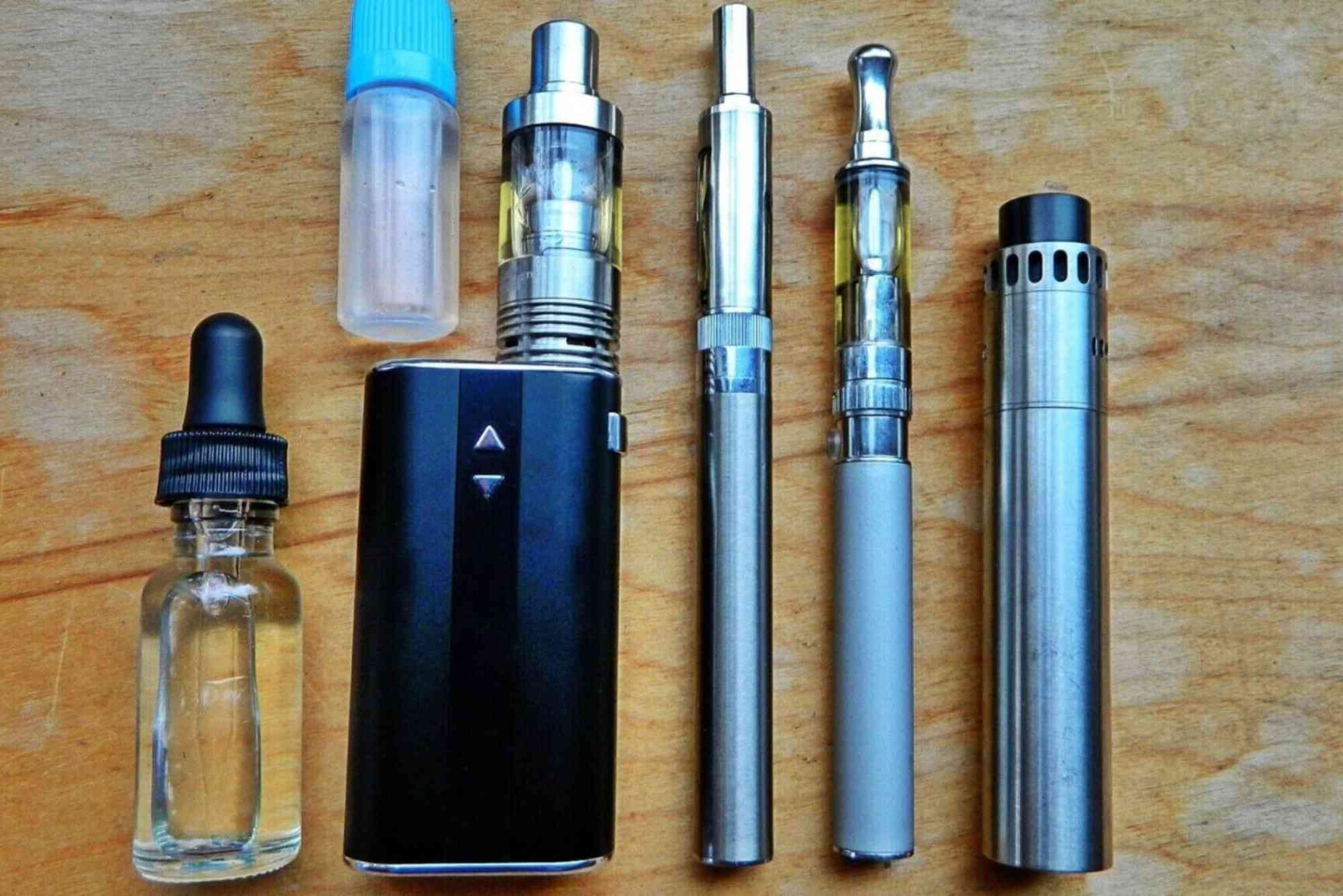
Vaping has also become part of certain lifestyle discussions, although it is not a fashion requirement or a harmless accessory. Electronic cigarettes deliver aerosols that can contain nicotine and other potentially harmful substances. Their appearance in fashion-related content can sometimes make vaping seem like an ordinary lifestyle choice without communicating its health risks.
The relationship between vaping and fashion influencers therefore involves more than appearance. It also includes advertising practices, audience perception, platform policies, and the responsibilities of creators who have significant online reach.
How Fashion Influencers Shape Vaping Trends in 2025
Fashion influencers can affect how audiences interpret products and lifestyle behaviours. Their carefully planned photographs, videos, and personal stories help establish visual trends. When vaping appears in this content, the presentation may influence how viewers perceive it, even when no direct product recommendation is made.

The Influence of Social Media Aesthetics
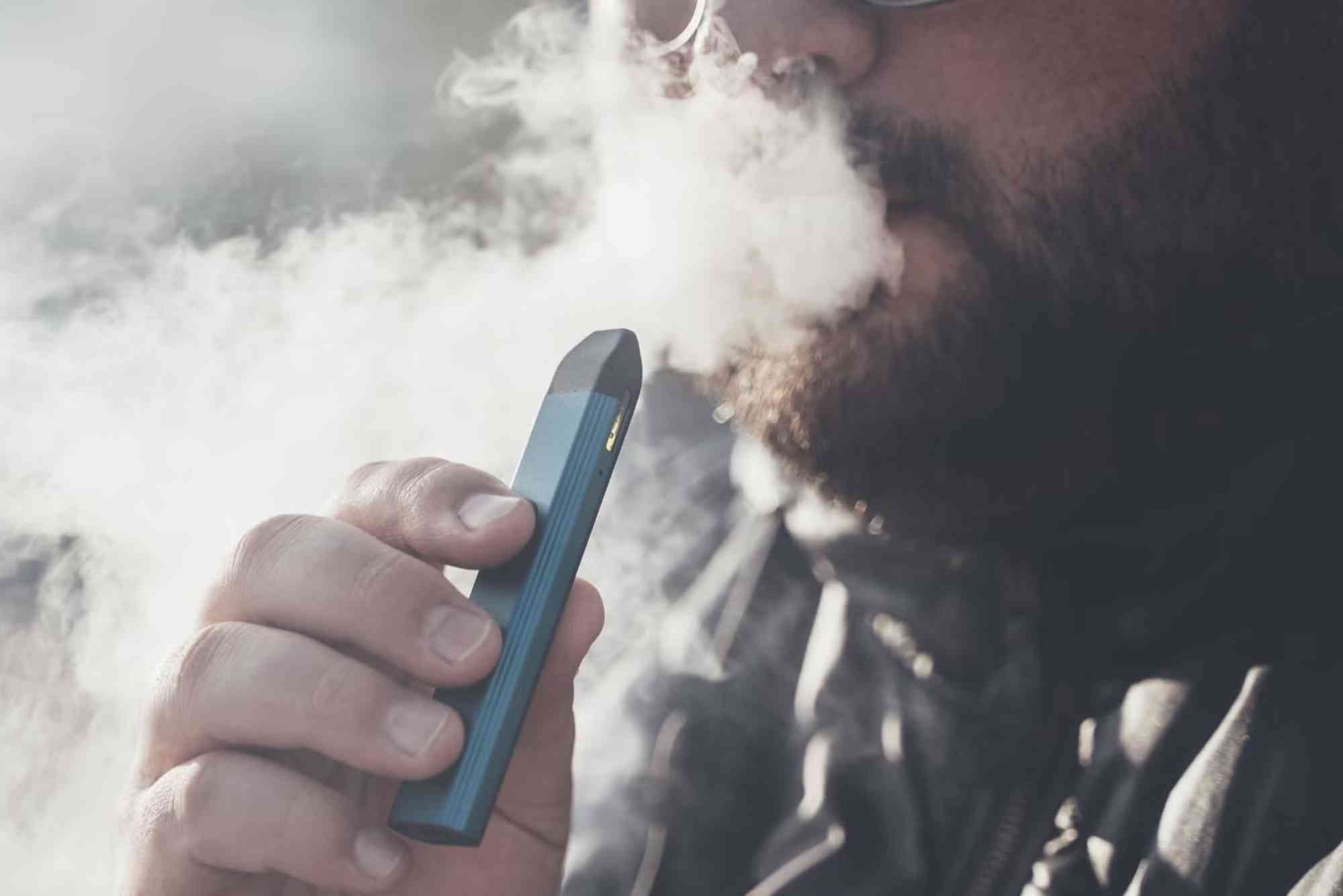
Visual presentation plays a major role in contemporary fashion culture. Influencers frequently create coordinated photographs featuring clothing, accessories, backgrounds, and carefully selected lighting. Within some lifestyle communities, vaping devices may also appear in these visual environments.
Such appearances can connect vaping with particular fashion aesthetics, including streetwear, alternative fashion, and contemporary urban photography. However, visual association does not necessarily mean that vaping is widely accepted or preferred by a particular fashion community.
Audiences should recognise the difference between an artistic image and an endorsement. A visually appealing photograph does not provide evidence that a product is safe, beneficial, or suitable for everyday use.
The Role of Influencer Marketing
Influencer marketing allows brands to communicate with audiences through online creators. Fashion influencers may collaborate with companies to produce sponsored photographs, videos, and other promotional material. In markets where vaping promotion is legally permitted, such partnerships may also involve electronic cigarette products.
However, advertising regulations vary considerably between countries and platforms. Some jurisdictions restrict or prohibit the promotion of vaping products, particularly where young audiences could be exposed. Influencers and brands must understand the rules that apply to their content.
Transparent sponsorship disclosures are also important. Audiences should be able to distinguish independent fashion commentary from paid promotion. Responsible marketing requires particular care when products contain addictive substances or present health risks.
Fashion’s Influencer Economy and the Growth of Digital Trends
Fashion’s influencer economy has changed how audiences discover styles, follow creators, and engage with digital communities. Instead of relying exclusively on traditional fashion magazines and advertising, consumers can now encounter trends through short videos, personal photographs, and creator-led discussions.
Influencers often develop recognisable visual identities. Their clothing, photography styles, and communication approaches help establish a consistent online presence. This environment can make lifestyle products more visible, including products that require careful consideration of their health implications.
The relationship between fashion and vaping also demonstrates how commercial interests can intersect with personal expression. A product appearing in an influencer’s photograph may attract attention without providing meaningful information about its ingredients, potential risks, or legal status.
For this reason, media literacy is essential. Audiences benefit from understanding how sponsored content works, how algorithms distribute material, and why online popularity should not be confused with product safety.
The Role of TikTok and Instagram in Fashion and Vaping Discussions
Social media platforms influence how quickly visual content circulates. TikTok and Instagram, in particular, provide creators with tools for sharing photographs, short videos, fashion inspiration, and lifestyle discussions.
TikTok and Short-Form Video Culture
TikTok’s short-form video format encourages creative editing, visual storytelling, and participation in online conversations. Fashion creators use these features to share outfit inspiration, discuss cultural developments, and present their individual styles.
Vaping-related imagery may also appear in some user-generated content. However, platform policies and local laws can restrict the promotion of tobacco and nicotine products. Content creators need to understand these restrictions before publishing material.
Instagram and Fashion Photography
Instagram remains an important platform for fashion photography, brand identity, and visual communication. Influencers use curated feeds, stories, and reels to share different aspects of their personal and professional lives.
When vaping devices appear in these images, their presentation can affect the overall message. Responsible fashion content should avoid making potentially harmful products appear risk-free or suggesting that vaping is necessary for a fashionable identity.
Key Factors Connecting Fashion Influencers and Vaping Trends
The relationship between fashion influencers and vaping culture can be understood through several broader developments.
|
Factor |
Role in Digital Culture |
Important Consideration |
|---|---|---|
|
Social media aesthetics |
Shapes visual presentation and lifestyle imagery |
Appearance does not establish safety |
|
Influencer marketing |
Connects creators with commercial audiences |
Sponsorship must be transparent |
|
Streetwear culture |
Encourages individual styling and identity |
Fashion expression does not require vaping |
|
Digital communities |
Supports conversations around lifestyle trends |
Online popularity may not reflect wider society |
|
Platform algorithms |
Influence which content audiences encounter |
Repeated exposure can affect perceptions |
|
Health awareness |
Provides information about vaping risks |
Accurate information should accompany relevant discussions |
These factors demonstrate that digital visibility, commercial promotion, and personal identity can overlap. Nevertheless, the presence of vaping in fashion content should not be treated as proof of a growing preference among all consumers.
Health Awareness and Responsible Influencer Content
Health awareness is an essential part of conversations about vaping and fashion influencers. Many electronic cigarettes contain nicotine, which is addictive. Vaping can also expose users to substances that may affect respiratory and cardiovascular health.
Fashion influencers have an opportunity to communicate responsibly by avoiding misleading health claims and distinguishing personal experiences from established scientific evidence. They should also consider the age and interests of their audiences when publishing lifestyle content.
Creators can promote fashion through clothing, photography, accessories, and artistic expression without associating these interests with nicotine products. This approach supports creativity while reducing the risk of normalising potentially harmful behaviour.
Parents, educators, and digital media professionals can also encourage young audiences to question promotional messages. Understanding the difference between entertainment, advertising, and reliable health information helps users make informed decisions.
The Impact of Regulations on Vaping and Fashion Influencers
Vaping regulations influence how electronic cigarette products can be advertised and discussed online. Different countries have different rules concerning promotional content, product claims, age restrictions, and the sale of nicotine products.
In 2025, influencers working with international audiences need to consider these differences. A promotional approach permitted in one country may violate advertising restrictions in another. Social media platforms may also impose additional rules that apply regardless of local advertising laws.
Responsible creators should review applicable regulations, avoid targeting minors with vaping-related material, and disclose commercial relationships where required. Brands also have a responsibility to ensure that their marketing practices comply with relevant laws.
Regulatory awareness helps protect audiences and supports greater transparency in digital advertising. It also encourages fashion creators to focus on creative content that does not depend on promoting potentially harmful products.
How Audiences Can Understand Vaping-Related Fashion Content
Audiences encounter a wide range of promotional and non-promotional material while browsing social media. Recognising the purpose behind a post can help users interpret what they see more accurately.
It is useful to consider whether an influencer has disclosed a commercial partnership, whether the content makes unsupported health claims, and whether it presents a product without discussing its potential risks.
Followers should also remember that influencers often create carefully edited versions of their everyday lives. Photographs and videos are selected to communicate a particular image. They do not necessarily represent the creator’s complete experiences or personal habits.
By developing critical thinking skills, social media users can appreciate fashion creativity without automatically adopting every lifestyle behaviour displayed online.
Future Developments in Fashion Influencer Culture Beyond 2025
Fashion influencer culture continues to evolve as social platforms introduce new creative tools and audiences become more aware of digital advertising. Authenticity, transparency, and responsible communication are increasingly relevant considerations for creators and brands.
Fashion content can continue exploring streetwear, sustainable clothing, digital styling, and emerging design aesthetics without relying on vaping-related imagery. At the same time, discussions about nicotine addiction, public health, and advertising standards remain important as digital lifestyles develop.
The future relationship between fashion influencers and vaping will depend on cultural attitudes, legal requirements, platform policies, and changing audience expectations. Responsible content creation can help ensure that fashion remains a space for creativity and individual expression.
Frequently Asked Questions
How do fashion influencers affect trends in 2025?
Fashion influencers shape online conversations through clothing inspiration, photography, styling ideas, and lifestyle content. Their reach can influence what audiences notice and discuss. However, individual preferences and cultural trends are shaped by many factors beyond social media.
Does social media influence vaping habits?
Social media can influence perceptions of vaping by exposing users to lifestyle imagery, discussions, and promotional content. However, exposure does not automatically lead to vaping. Personal circumstances, social environments, health awareness, and other factors also affect individual decisions.
Why is vaping sometimes associated with fashion culture?
Vaping may appear in fashion-related photographs and lifestyle videos because creators combine different visual elements in their content. This association reflects particular forms of online presentation rather than an essential connection between fashion and vaping.
Is vaping safe for young people?
Vaping is not considered safe for young people. Nicotine can affect the developing brain and cause addiction. Vaping aerosols may also contain harmful substances. Young people who do not use tobacco or nicotine products should avoid starting.
Can fashion influencers promote vaping products?
Whether influencers can promote vaping products depends on applicable laws and platform policies. Many jurisdictions restrict or prohibit such advertising. Creators and brands must understand relevant regulations and avoid misleading claims or marketing that targets minors.
vapexplore.com is a useful online resource for readers interested in vaping, vape products, industry updates, and related information. The platform can help visitors explore current trends, understand product features, and discover practical insights. With clear and accessible content, vapexplore.com aims to make vaping information easier to understand for both newcomers and experienced users.
Conclusion
Vaping and the Role of Fashion Influencers in Shaping 2025 Trends highlights the relationship between digital identity, fashion aesthetics, commercial marketing, and online culture. Fashion influencers can shape how audiences interpret lifestyle imagery, while social media platforms influence the visibility of emerging conversations.
However, fashion expression does not need to involve vaping. Health awareness, transparent advertising, and responsible content creation are essential when discussing nicotine-related products. Audiences can enjoy creative fashion content while critically evaluating the messages behind it.
Call to Action: Explore fashion trends with a thoughtful perspective, question the messages presented through social media, and support responsible digital content that prioritises creativity, transparency, and informed choices.
Related Reading: Why Vaping is Dominating the Fashion World: Insights into 2025 Trends
Related Reading: Vape Fashion and Street Style: How Vaping is Shaping New Trends