Introduction
The fashion industry constantly evolves as technology, lifestyle choices, and personal preferences influence new trends. In 2025, the vape industry is attracting attention for its impact on product design, portable accessories, and contemporary aesthetics. Although vaping devices are primarily designed for specific functional purposes, their appearance has also become part of wider conversations about personal style.
How the Vape Industry is Changing Fashion Accessories for 2025 explores the relationship between modern device design and everyday fashion. From minimalist finishes to compact shapes, several design features reflect trends already visible across consumer electronics and lifestyle accessories. However, these similarities do not mean that vaping devices have become essential fashion items.
Instead, the growing connection highlights how consumers evaluate products through appearance, convenience, and individual preferences. Understanding this relationship provides valuable insight into the changing boundaries between technology and fashion.
How the Vape Industry is Changing Fashion Accessories for 2025 Through Design
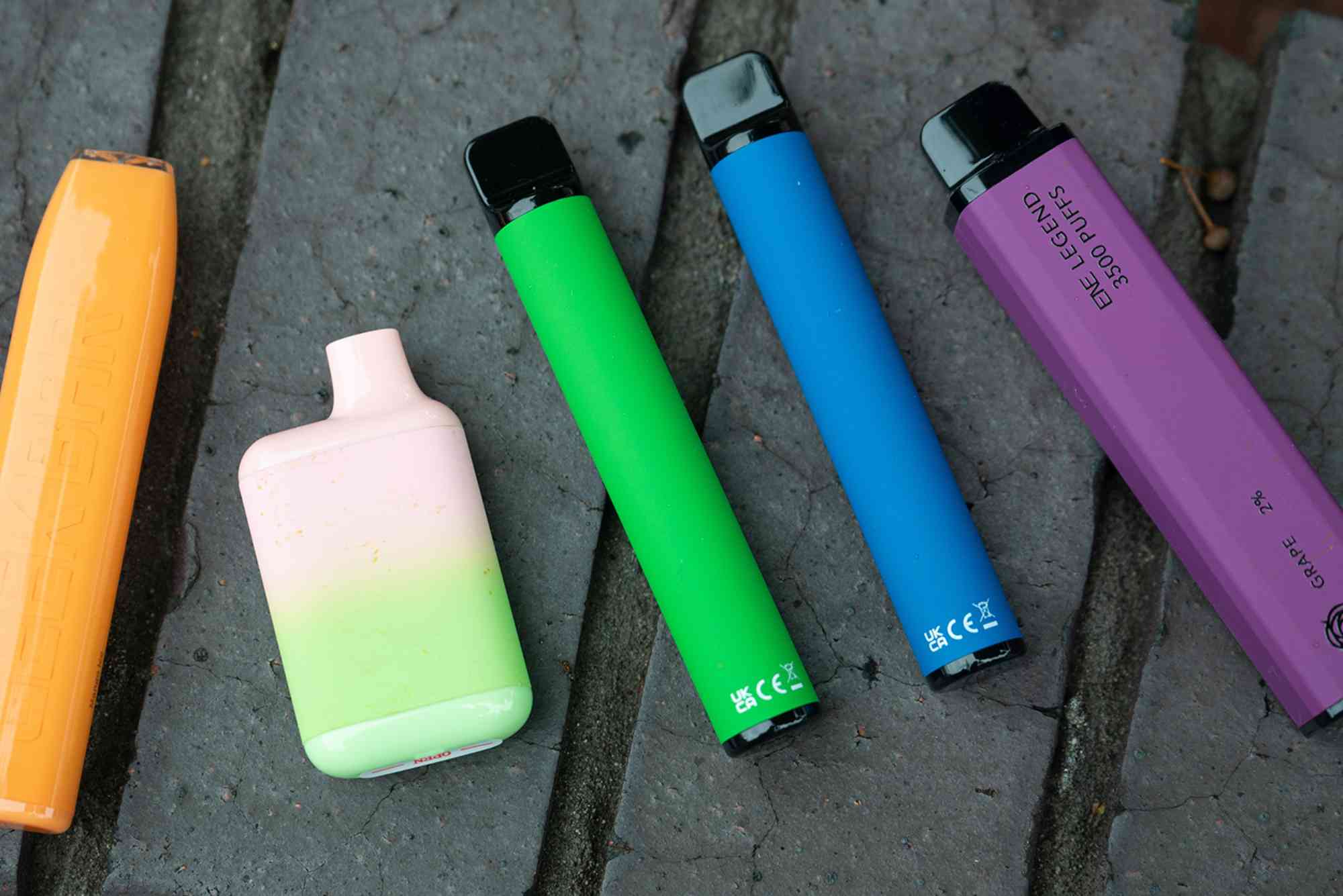
Product design plays an important role in how consumers perceive everyday objects. In the vaping market, manufacturers often experiment with different finishes, shapes, materials, and colour combinations. These choices can resemble design approaches used in watches, handbags, phone cases, and other personal accessories.
Minimalist Designs and Modern Aesthetics
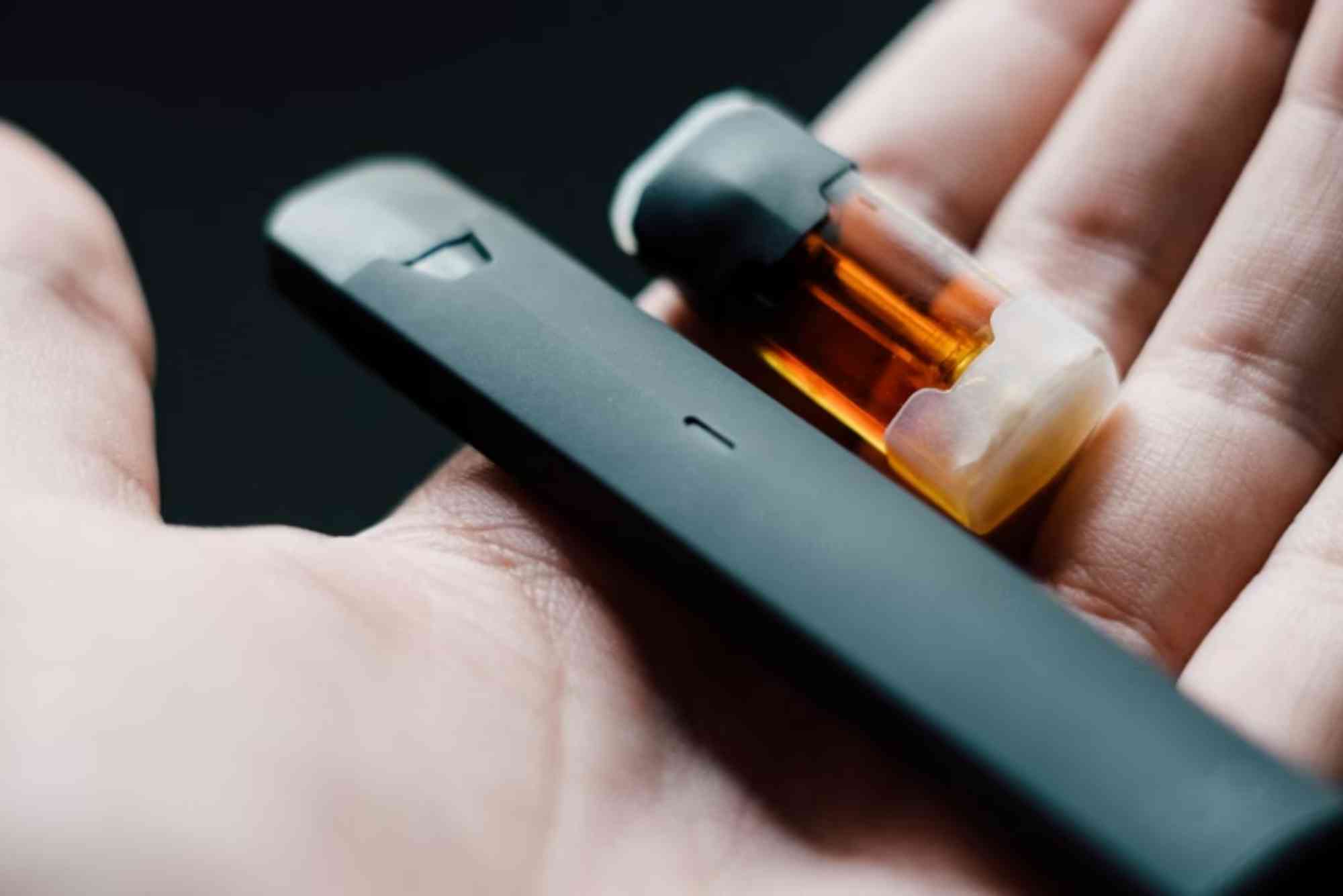
Minimalism remains an influential approach to contemporary product design. Clean lines, restrained colours, and uncomplicated shapes appeal to consumers who prefer understated accessories. Some vaping devices reflect these preferences through smooth surfaces and compact profiles.
Similar principles appear in modern fashion accessories. A simple watch, neutral handbag, or understated phone case can complement different outfits without attracting excessive attention. The same design principles can influence how people perceive electronic products.

Nevertheless, attractive design should not overshadow practical considerations. Product safety, reliability, and responsible use remain more important than appearance.
Colour, Texture, and Material Choices
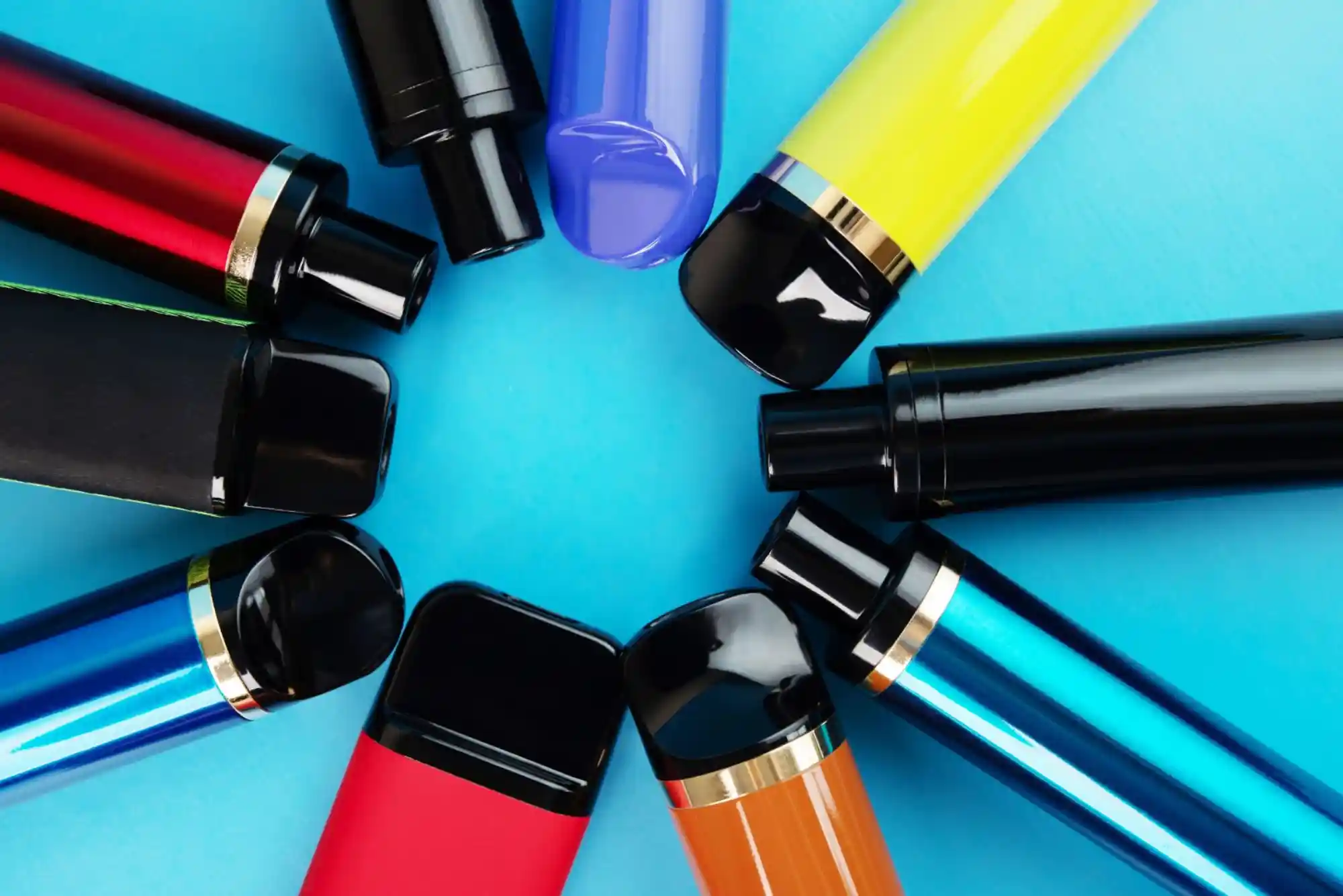
Colour and texture help establish a product’s visual identity. Manufacturers may use metallic finishes, matte surfaces, glossy coatings, or contrasting details to create distinctive designs.
These features resemble techniques found in contemporary accessories. For example, brushed metal can communicate a refined appearance, while soft-touch finishes create a different visual impression. Neutral colours often suit minimalist preferences, whereas brighter shades offer more expressive alternatives.
However, visual similarities do not automatically establish a direct connection between vaping products and fashion trends. Both industries frequently respond to broader consumer preferences for modern, coordinated designs.
The Connection Between Vape Products and Small Fashion Accessories
Small accessories can influence an outfit without dominating its overall appearance. Items such as compact wallets, keychains, sunglasses, and jewellery often combine practicality with personal expression.
The relationship between vaping products and accessories is best understood through this broader design perspective. Both categories involve portability, everyday handling, and decisions about appearance. However, vaping devices serve a different purpose and should not be treated as ordinary fashion accessories.
Consumers interested in contemporary styling can explore small accessory trends for 2025 to understand how compact accessories contribute to modern outfits. This provides useful context for recognising the wider fashion movements that influence product aesthetics.
Portability and Everyday Convenience
Portability is an important consideration when designing personal products. Compact dimensions can make an object easier to carry, store, and handle. This principle influences everything from wireless earbuds to small handbags and electronic devices.
Vaping devices may share some of these practical design characteristics. However, convenience should not be confused with suitability for every setting. Local regulations, product instructions, and health considerations remain essential.
For fashion brands, the broader lesson is that consumers often appreciate products that balance practical functionality with thoughtful design.
Personal Style and Product Selection
Personal style reflects individual tastes rather than a single universal trend. Some people prefer understated designs, while others favour distinctive colours and expressive details.
This diversity encourages manufacturers across multiple industries to offer different visual options. Electronic products, watches, and everyday accessories can all reflect similar preferences without serving the same purpose.
In 2025, the more meaningful trend is the continued overlap between technology design and lifestyle aesthetics. Consumers increasingly evaluate how products look, feel, and fit into their routines.
How Technology Influences Fashion Accessory Design
Technology has transformed the way people interact with everyday products. Smartphones, wireless headphones, smartwatches, and portable chargers have become familiar parts of modern life. Their design influences expectations for other consumer electronics.
The vape industry participates in this broader technological landscape. Its products may incorporate compact components, indicator lights, rechargeable batteries, and streamlined controls. These features can contribute to a modern appearance, although their primary purpose remains functional.
Smart Features and Visual Simplicity
Modern electronics often conceal technical complexity behind simple external designs. Clear interfaces, compact controls, and restrained visual elements can make products appear easier to understand.
Similar design principles can be found across consumer technology. The emphasis is on reducing unnecessary complexity while maintaining practical functionality.
However, visual simplicity does not guarantee product quality or safety. Consumers should examine reliable product information rather than judging electronic devices by appearance alone.
Sustainability and Responsible Materials
Sustainability is another important consideration in accessory design. Consumers and manufacturers are paying greater attention to product lifespan, material choices, repairability, and waste reduction.
This discussion is particularly relevant to electronic devices containing batteries and other components. Disposable products can create additional waste when they are not collected or processed appropriately.
Reusable designs may reduce certain types of waste, but their overall environmental impact depends on manufacturing, battery longevity, usage, and disposal practices. Responsible recycling and compliance with local electronic-waste rules remain important.
Fashion accessory brands can also learn from this discussion by prioritising durable materials, repairable construction, and thoughtful packaging.
Social Media and the Evolution of Lifestyle Trends
Social media influences how people discover and interpret contemporary design. Fashion creators, technology reviewers, and lifestyle publishers introduce audiences to new colours, shapes, and product categories.
As a result, visual trends can spread quickly between industries. A finish that becomes popular in consumer electronics may later appear in bags, jewellery, or other accessories. The reverse can also happen when technology companies adopt established fashion aesthetics.
The Role of Digital Creators
Digital creators often explain why certain products appeal to particular audiences. Their content can highlight design details, practical features, and differences between competing products.
Nevertheless, promotional content does not always provide a complete picture. Sponsored posts may emphasise appearance while overlooking limitations or potential risks.
Consumers should therefore distinguish independent product information from advertising. This is especially important for vaping products, which may contain nicotine and carry health risks.
Changing Consumer Expectations
Modern consumers frequently expect products to offer both functionality and attractive design. This expectation extends beyond fashion to electronics, home accessories, travel products, and personal equipment.
The vape industry reflects part of this wider shift. Yet it would be misleading to suggest that vaping directly determines fashion trends. Both markets respond to overlapping interests in portability, visual simplicity, and personalisation.
What Fashion Brands Can Learn From Vape Industry Design
Fashion brands can draw several useful lessons from the broader relationship between technology and personal accessories. The most important is the value of combining appearance with genuine functionality.
A successful accessory should serve a clear purpose while fitting naturally into its intended setting. Designers can achieve this through thoughtful proportions, durable construction, comfortable handling, and appropriate materials.
Prioritising Function Over Appearance
An attractive product may initially attract attention, but long-term satisfaction depends on performance. A handbag needs practical storage, a watch needs dependable operation, and a phone case needs suitable protection.
The same principle applies to electronic products. A polished exterior cannot replace reliable engineering, accurate information, or appropriate safety measures.
Brands that balance these elements can build stronger consumer trust.
Creating Distinctive Visual Identities
Visual identity helps products stand out in crowded markets. Consistent colours, recognisable shapes, and carefully selected finishes can make a brand easier to identify.
However, distinctive design does not require unnecessary complexity. Simple visual choices can communicate quality when they align with a product’s purpose and audience.
Fashion businesses can use these principles without copying vaping products or encouraging vaping as a lifestyle choice.
Health, Regulations, and Responsible Marketing
The relationship between vaping and fashion requires careful consideration of health and advertising responsibilities. Nicotine is addictive, and vaping is not risk-free. Non-smokers and young people should not be encouraged to start using vaping products because of their appearance or perceived social appeal.
Marketing also needs to comply with applicable laws. Rules concerning nicotine products, advertising, age restrictions, packaging, and public use vary by location.
Brands and publishers should avoid presenting vaping as a necessary accessory for attractiveness, social acceptance, or professional success. Instead, discussions should focus on design principles and consumer behaviour without glamorising potentially harmful use.
Responsible communication helps readers understand the difference between an object’s visual design and the consequences of using it.
Exploring the Impact of Vape Culture on Street Fashion in 2025 reveals how vaping trends influence modern youth style, urban aesthetics, and personal expression. From trendy accessories to social media inspiration, vape culture has become part of wider lifestyle conversations, reflecting changing fashion preferences and the connection between contemporary trends and streetwear.
Frequently Asked Questions
How is the vape industry changing fashion accessories for 2025?
The connection mainly involves shared design preferences, including compact shapes, minimalist finishes, portability, and visual personalisation. These similarities reflect broader consumer trends rather than proving that vaping directly drives fashion.
Are vaping devices considered fashion accessories?
Vaping devices are electronic products designed for inhalation. Some people may consider their appearance when choosing a product, but they are not traditional fashion accessories. Health, safety, and legal considerations should remain the priority.
What fashion accessory trends are popular in 2025?
Contemporary accessory styling includes compact bags, expressive jewellery, practical everyday items, and designs that balance appearance with functionality. Individual preferences and seasonal collections influence which trends gain attention.
Does social media influence vaping product design?
Social media can affect how consumers discover products and interpret visual trends. However, product development also depends on engineering, manufacturing costs, regulations, and customer research.
Can fashion and technology work together sustainably?
Yes. Designers can explore durable materials, repairable components, longer product lifespans, and responsible recycling. For electronic products, battery management and proper disposal are particularly important.
Conclusion
How the Vape Industry is Changing Fashion Accessories for 2025 highlights a broader relationship between technology, consumer preferences, and contemporary design. Compact shapes, minimalist finishes, and practical functionality appear across many industries, including electronics and fashion.
VapExplore is a helpful online resource for exploring vaping products, vape devices, e-liquids, and the latest industry updates. Whether you are looking for vaping guides, product information, or useful insights into vaping trends and regulations, VapExplore provides content to help readers stay informed. Visit VapExplore to discover more information, explore helpful resources, and stay updated on topics related to the vaping industry.
Related Reading: Ultimate Vape Shop in Dubai: Beginner's Switching Guide — full guide