Introduction
Vape policy debates in Washington DC have become an important part of discussions about public health, consumer rights, business regulations, and tobacco control. As electronic cigarettes and vaping products continue to attract attention across the United States, policymakers face difficult decisions about how to regulate these products without creating unintended consequences.
Washington DC has introduced several significant restrictions to address concerns about nicotine addiction, youth access, flavored tobacco products, and the marketing of electronic smoking devices. Although these policies aim to protect public health, they have also raised questions about consumer choice, business operations, enforcement costs, and the effectiveness of strict regulations.
The debate is particularly important because vaping occupies a complicated position in tobacco policy. Public health advocates emphasize preventing nicotine addiction, especially among young people. Meanwhile, some adult consumers and harm-reduction advocates argue that regulations should recognize the differences between combustible cigarettes and electronic alternatives.
Understanding vape policy debates in Washington DC requires examining both sides of the discussion. It also means considering how local legislation interacts with federal regulations, taxation policies, and changing scientific evidence.
Understanding Vape Policy Debates in Washington DC
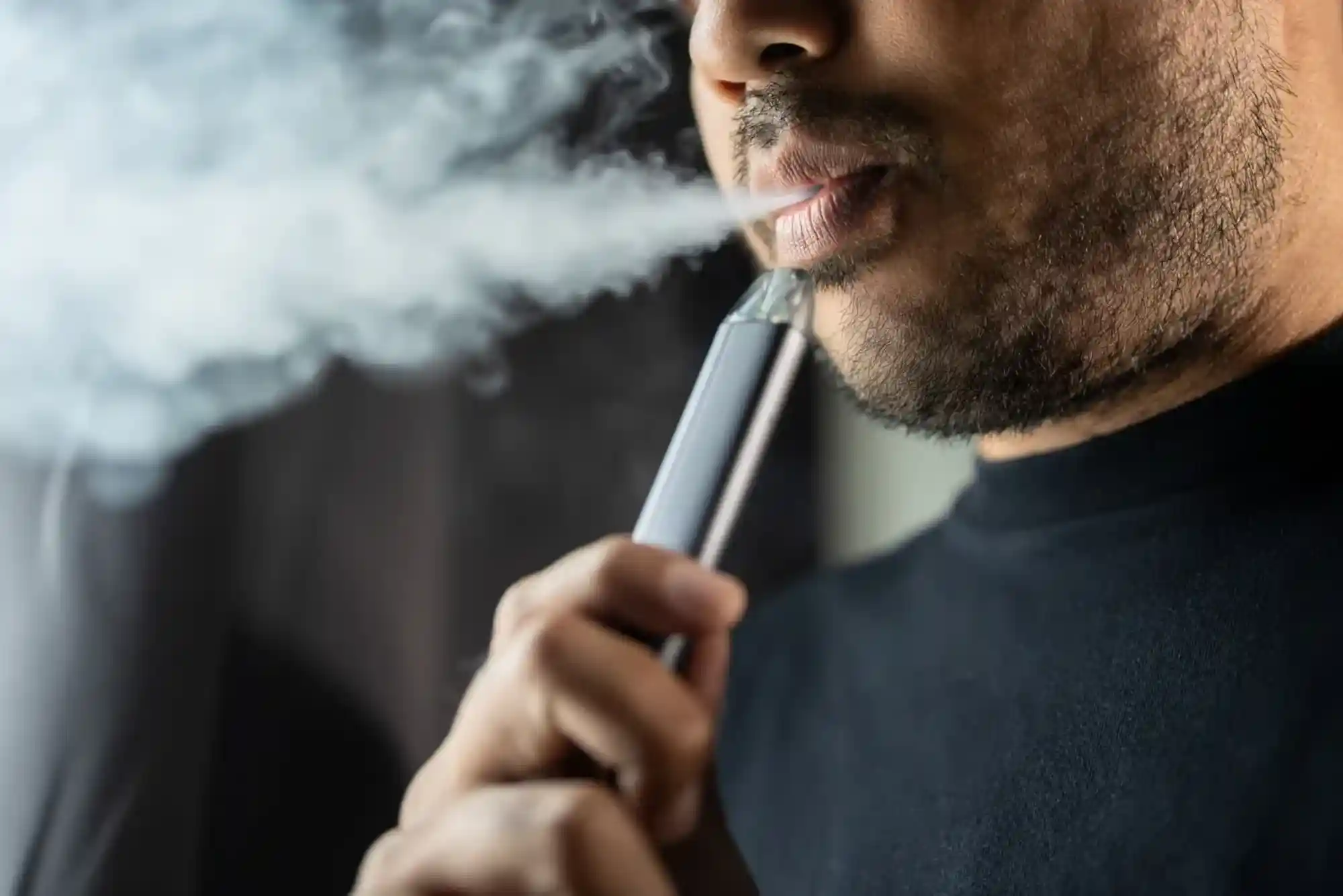
Vape policy debates in Washington DC revolve around determining how electronic cigarettes should be manufactured, marketed, distributed, sold, and used.
The District has adopted a relatively strict approach to regulating vaping products. Its policies address flavored tobacco, retail licensing, minimum purchasing ages, school proximity restrictions, and taxation.

One major development was the Flavored Tobacco Product Prohibition Amendment Act of 2021, which became effective on October 1, 2022. The legislation prohibits the sale of flavored tobacco products throughout the District.
The restrictions cover products with characterizing flavors other than tobacco, including fruit, candy, mint, menthol, and dessert flavors. They also apply to qualifying synthetic nicotine products.
Another important provision prohibits electronic smoking device sales within one-quarter mile of middle schools and high schools.
These regulations demonstrate the District’s intention to reduce youth exposure to vaping products. However, their implementation has created ongoing discussions about enforcement, commercial restrictions, and consumer access.
Why Washington DC Is Debating Stricter Vape Regulations
The discussion surrounding vape policy debates in Washington DC involves several competing priorities.
Protecting Young People From Nicotine Addiction
Youth vaping remains one of the strongest arguments supporting stricter tobacco regulations. Health professionals have raised concerns about nicotine exposure during adolescence and its potential effects on brain development.
Flavored products have also received considerable attention because their appealing tastes and marketing characteristics may attract younger consumers.
Policymakers believe restricting access to these products can help prevent early nicotine experimentation and reduce the possibility of long-term dependence.
However, effective prevention requires more than legislation. Schools, families, healthcare providers, and retailers also have important responsibilities.
Balancing Consumer Choice and Public Health
Another important debate concerns adult consumers who prefer vaping products over traditional cigarettes.
Some harm-reduction advocates argue that adults who already smoke should have access to regulated alternatives. They believe policymakers should distinguish between combustible tobacco products and electronic nicotine delivery systems.
Public health officials, however, emphasize that vaping is not harmless. Nicotine dependence, exposure to potentially harmful substances, and uncertain long-term health effects remain important concerns.
This disagreement makes policymaking particularly challenging. Regulations must consider youth protection without ignoring the needs of adults who currently use tobacco products.
The Flavored Vape Ban and Its Impact
The flavored tobacco prohibition is one of the most significant developments influencing vape policy debates in Washington DC.
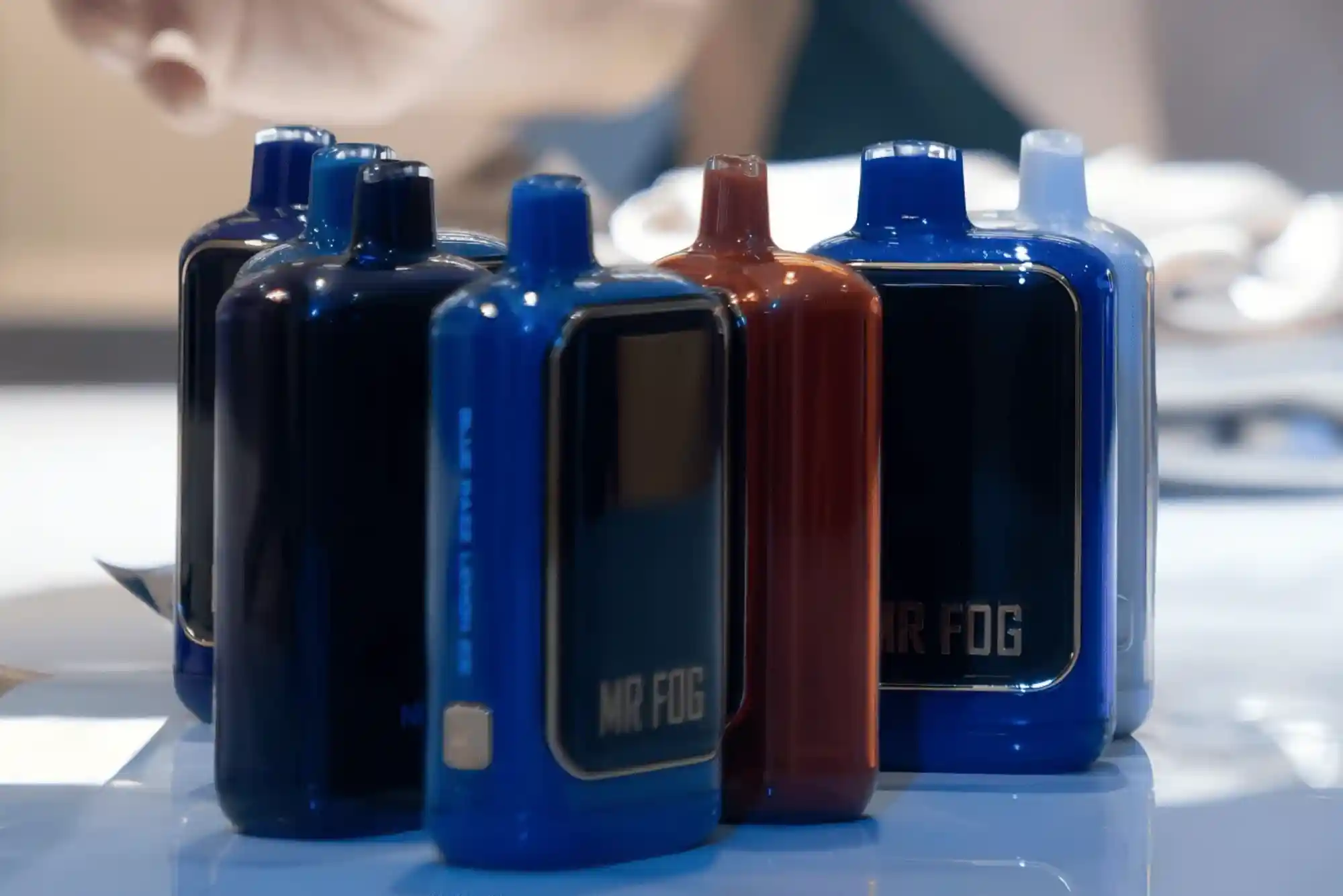
Under DC Law 24-25, the District prohibits the sale, distribution, and purchase of flavored tobacco products. The prohibition includes flavored electronic nicotine products and synthetic nicotine products.
Why Flavored Products Became a Political Issue
Flavors have become central to tobacco policy discussions because policymakers believe they can increase the appeal of nicotine products.
Fruit, candy, mint, and dessert-inspired options have attracted particular attention. Public health advocates argue that these products can make nicotine consumption more attractive to inexperienced users.
Supporters of the ban believe removing flavored products from retail shelves can reduce youth exposure and limit opportunities for nicotine initiation.
Concerns About the Effectiveness of Flavor Restrictions
Critics raise different concerns. They question whether restricting legal sales automatically eliminates consumer demand.
Some consumers may seek products through unauthorized sellers, online marketplaces, or neighboring jurisdictions. Such purchasing patterns can make enforcement more complicated.
There are also questions about whether broad restrictions affect adult smokers who prefer flavored alternatives.
Consequently, the discussion is not simply about whether flavored products should be restricted. It also concerns how regulations should be enforced and whether they achieve their intended public health outcomes.
Youth Protection and School-Zone Restrictions
Youth protection is another major issue shaping vape policy debates in Washington DC.
The District prohibits electronic smoking device sales within one-quarter mile of any middle or high school. This restriction applies to public, charter, and private schools that meet the relevant statutory requirements.
The law became effective in October 2022 and covers a wide range of electronic smoking devices, regardless of their commercial names.
Why School-Zone Restrictions Matter
Schools are important environments for preventing nicotine exposure. Policymakers believe limiting nearby retail availability can reduce opportunities for students to access vaping products.
The restriction also places additional responsibilities on retailers. Businesses must understand school boundaries and determine whether their locations fall within prohibited areas.
Enforcement and Business Responsibilities
Enforcement has become an important part of the debate.
In September 2025, the District’s Attorney General announced a $1.2 million settlement with 7-Eleven over allegations involving illegal vape sales at stores near schools.
The settlement required the company to stop selling and marketing electronic smoking devices at affected locations, train employees, and strengthen compliance monitoring.
This case demonstrated that school-zone restrictions are actively enforced rather than existing only as written legislation.
It also highlighted the financial and operational consequences businesses may face when they fail to follow local requirements.
How Vape Taxes Influence Washington DC Policy Debates
Taxation is another significant issue in vape policy debates in Washington DC.
The District imposes an excise tax on vapor products based on their wholesale price. According to the Office of Tax and Revenue, the applicable rate for tax year 2026 is 64%.
This tax structure influences retail prices, business expenses, and consumer purchasing decisions.
Arguments Supporting Higher Vape Taxes
Supporters of higher taxes believe increasing product prices can discourage nicotine consumption.
They argue that taxation can help reduce demand, particularly among price-sensitive consumers. Tax revenue may also support government priorities and tobacco-related public health initiatives.
From this perspective, vaping taxes are an important part of a broader tobacco-control strategy.
Concerns About the Financial Impact
Opponents question whether higher taxes create unintended economic consequences.
Price increases can place additional pressure on consumers with limited disposable income. They may also encourage some customers to purchase products through unauthorized channels.
Smaller retailers can face additional difficulties because taxes affect pricing, inventory decisions, and profit margins.
These concerns have encouraged wider discussions about whether taxation should reflect product characteristics, public health risks, and the economic circumstances of consumers.
For a closer examination of these financial concerns, read Vape Tax Burden on Low-Income Users, which explores how vaping taxes can affect financially vulnerable consumers.
Federal Regulations and Their Influence on Washington DC
Local vape regulations do not operate independently. Federal tobacco policies also influence which products manufacturers can legally market and which products retailers can distribute.
The Food and Drug Administration regulates electronic nicotine delivery systems under federal tobacco law.
Manufacturers generally need an appropriate marketing authorization before introducing new tobacco products into the US market.
Understanding FDA Marketing Authorization
The FDA uses the Premarket Tobacco Product Application pathway to evaluate new tobacco products.
Its assessment considers the potential benefits and risks to the population as a whole. This includes possible benefits for adults who completely switch from combustible cigarettes and potential risks to young people and non-users.
Importantly, an FDA marketing authorization does not mean that a product is completely safe or approved as a smoking cessation medication.
Why Federal and Local Policies Sometimes Create Confusion
Businesses must understand both federal and District requirements.
A product receiving FDA marketing authorization does not automatically become exempt from local restrictions. For example, a federally authorized product may still face restrictions under DC’s flavored tobacco prohibition.
This creates additional compliance responsibilities for manufacturers, distributors, and retailers.
Businesses should regularly review the U.S. e-cigarette regulation policy tracker to understand how requirements differ across jurisdictions.
The resource provides a useful overview of state and District-level electronic cigarette regulations.
How Vape Policy Debates Affect Local Businesses
Vape policy debates in Washington DC also have important consequences for businesses operating in the tobacco and vaping industries.
Retailers must navigate licensing requirements, product restrictions, age-verification responsibilities, taxation, and school-zone regulations.
These requirements can create substantial administrative work, particularly for independent businesses with limited resources.
Retail Licensing and Compliance
Businesses selling electronic smoking devices must obtain the appropriate licenses and follow District requirements.
Retailers also need reliable procedures for checking customer identification and preventing prohibited sales.
Failure to comply can result in financial penalties, license suspension, or revocation.
Inventory and Supply Chain Challenges
Flavor restrictions and federal marketing authorization requirements create additional complications for inventory management.
Retailers must verify that products comply with applicable federal and local laws before offering them for sale.
Manufacturers and distributors also need to monitor changing requirements to avoid supplying products that cannot legally enter particular markets.
The Future of Vape Retailing
The future of the vaping industry in Washington DC will depend partly on regulatory stability and enforcement practices.
Businesses that invest in compliance systems, employee education, and accurate product documentation may be better prepared for changing requirements.
However, policymakers must also consider whether regulations create disproportionate challenges for smaller businesses.
Public Health Arguments Against Vaping
Public health organizations frequently support stronger vaping restrictions because nicotine addiction remains a major concern.
Although electronic cigarettes do not burn tobacco in the same way as traditional cigarettes, their aerosols can contain nicotine and other potentially harmful substances.
Concerns About Nicotine Dependence
Nicotine is highly addictive. Regular exposure can contribute to dependence and make quitting difficult.
Young people are particularly vulnerable because their brains are still developing.
This is why prevention campaigns often emphasize avoiding nicotine products entirely rather than treating vaping as harmless.
Unknown Long-Term Health Effects
Another concern involves the long-term consequences of repeated exposure to vaping aerosols.
Electronic cigarette products vary considerably in their ingredients, nicotine concentrations, and manufacturing quality.
Researchers continue studying their potential respiratory and cardiovascular effects.
Public health officials argue that uncertainty surrounding long-term outcomes supports careful regulation and consumer education.
Arguments for a More Balanced Vape Policy
Although stricter restrictions receive considerable public health support, some stakeholders believe Washington DC should consider a more balanced regulatory framework.
Recognizing Adult Harm Reduction
Some adults who smoke combustible cigarettes may use electronic cigarettes as an alternative.
Advocates argue that completely switching away from combustible cigarettes may reduce exposure to certain harmful chemicals.
However, this potential benefit should not be confused with proof that vaping is safe. Dual use may also limit potential health benefits.
Supporting Evidence-Based Regulations
Another argument focuses on the importance of scientific evidence.
Policymakers should regularly evaluate whether existing restrictions achieve measurable improvements in public health.
Research, youth access data, enforcement records, and consumer behavior can help determine whether regulations need adjustment.
Improving Education and Cessation Support
Regulations are more effective when combined with accessible education and support services.
Washington DC residents who want to quit vaping can access assistance through the DC Quitline at 1-800-QUIT-NOW.
Providing practical support can help individuals address nicotine dependence rather than relying exclusively on sales restrictions.
What the Future Holds for Vape Policy Debates in Washington DC
The future of vape policy debates in Washington DC will likely involve continued discussions about enforcement, taxation, product authorization, youth prevention, and consumer protection.
One important priority will be evaluating whether current restrictions reduce illegal sales and youth access.
Another will involve monitoring federal regulatory developments. As the FDA evaluates additional products, local policymakers may need to consider how federal decisions interact with existing District legislation.
Taxation will also remain an important subject. Policymakers may face pressure to evaluate the financial effects of vaping taxes on consumers and businesses.
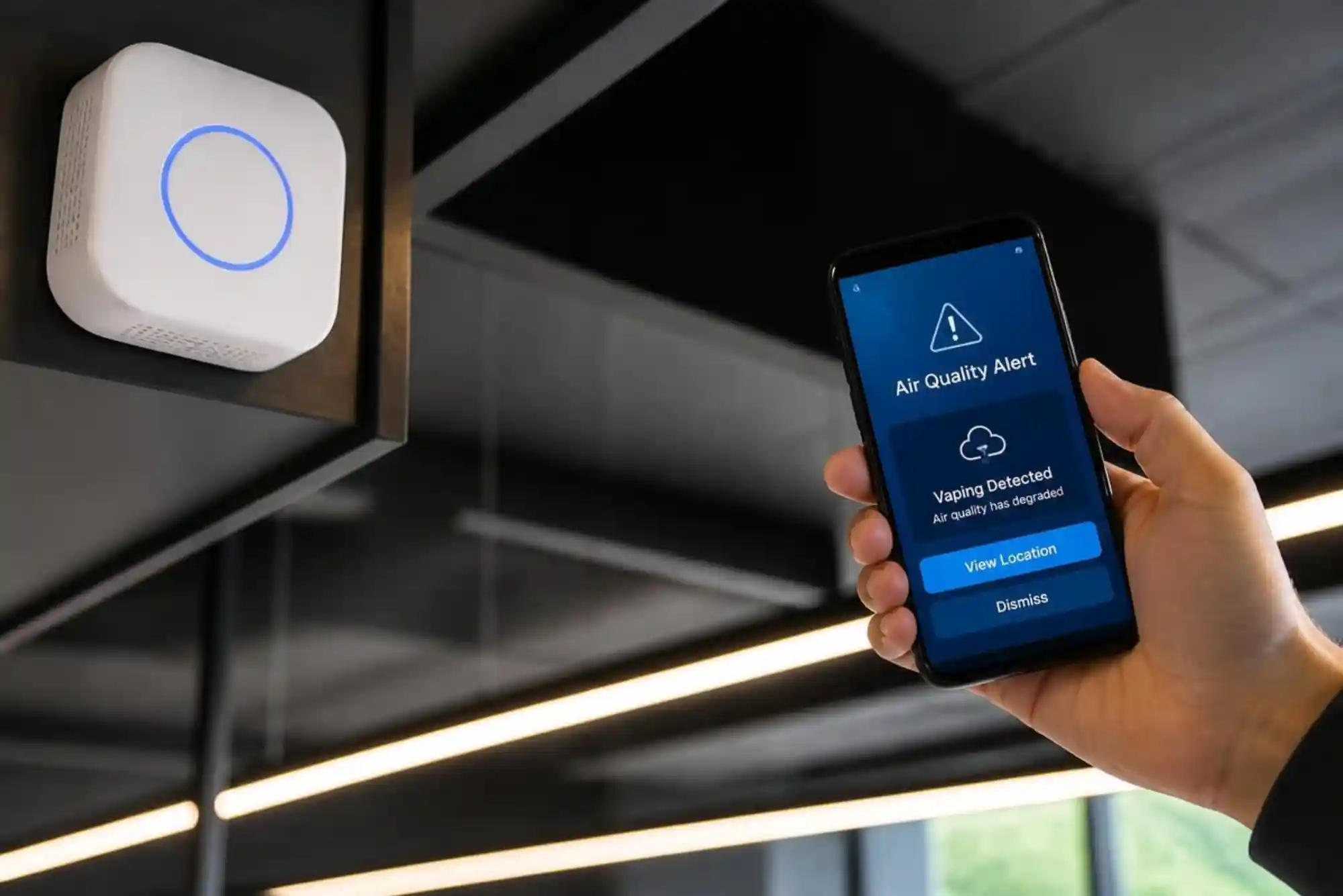
Technology could further influence enforcement. Better retail monitoring, product verification, and age-checking systems may improve compliance.
Ultimately, effective regulation requires cooperation between government agencies, healthcare professionals, retailers, researchers, and communities.
The goal should be a practical framework that protects young people, supports informed adult decisions, and maintains accountability throughout the vaping supply chain.
Finding a Balanced Approach to Vape Regulation
Vape policy debates in Washington DC demonstrate how complicated modern tobacco regulation can become.
The District has introduced strict measures addressing flavored tobacco sales, school-zone restrictions, minimum purchasing ages, retail licensing, and taxation. These policies reflect growing concerns about nicotine addiction and youth exposure.
However, important questions remain about consumer access, financial consequences, business compliance, and the effectiveness of different regulatory approaches.
A successful policy framework should combine strong youth protections with evidence-based decision-making, responsible enforcement, and accessible cessation services.
For readers interested in understanding vaping regulations, taxation, and industry developments, vapexplore provides additional information and educational resources.
FAQs
Is vaping legal in Washington DC?
Vaping is subject to several restrictions in Washington DC. Adults may possess and use legally obtained vaping products, subject to applicable laws. However, the District prohibits flavored tobacco sales and electronic smoking device sales within one-quarter mile of middle and high schools. Federal product authorization and local retail requirements also apply.
What is the legal age to buy vapes in Washington DC?
The minimum legal age to purchase electronic smoking devices in Washington DC is 21. Federal law also prohibits tobacco product sales to individuals younger than 21.
Are flavored vapes banned in Washington DC?
Yes. Washington DC prohibits the sale, distribution, and purchase of flavored tobacco products, including qualifying flavored electronic nicotine and synthetic nicotine products. The restriction covers characterizing flavors other than tobacco, including fruit, mint, menthol, and candy.
Why did Washington DC ban flavored tobacco products?
The District introduced the prohibition to address concerns about nicotine addiction and the appeal of flavored tobacco products, particularly among young people. Supporters believe limiting flavored product availability can help reduce youth experimentation and tobacco-related health risks.
Can vape shops operate near schools in Washington DC?
Vape retailers must follow the District’s school-zone restrictions. Selling electronic smoking devices within one-quarter mile of a middle or high school is prohibited. Businesses must check their locations against the applicable school boundaries before selling these products.
Does Washington DC tax vaping products?
Yes. The District imposes an excise tax on vapor products based on wholesale price. The Office of Tax and Revenue lists the tax rate for tax year 2026 as 64% of wholesale price.
Does the FDA regulate vaping products in Washington DC?
Yes. The FDA regulates electronic nicotine delivery systems at the federal level. Manufacturers generally need marketing authorization before legally marketing new tobacco products. Local DC restrictions continue to apply even when products receive federal authorization.
What penalties can businesses face for violating DC vape laws?
Businesses can face financial penalties, license suspension, or license revocation. Under the District’s flavored tobacco prohibition, administrative fines can begin at $2,500 for a first violation and increase for subsequent violations.
Are vape policy debates likely to continue in Washington DC?
Yes. Discussions are likely to continue as policymakers evaluate youth vaping, public health research, taxation, federal product authorization, and the economic effects of local restrictions. Future decisions will depend on enforcement outcomes and changing evidence.
Research and accuracy notes: The article reflects the District’s published regulations and tax information available as of November 4, 2026. Key references include the DC Department of Licensing and Consumer Protection, the DC Office of Tax and Revenue, the FDA, and the Public Health Law Center.
dlcp+5