Introduction
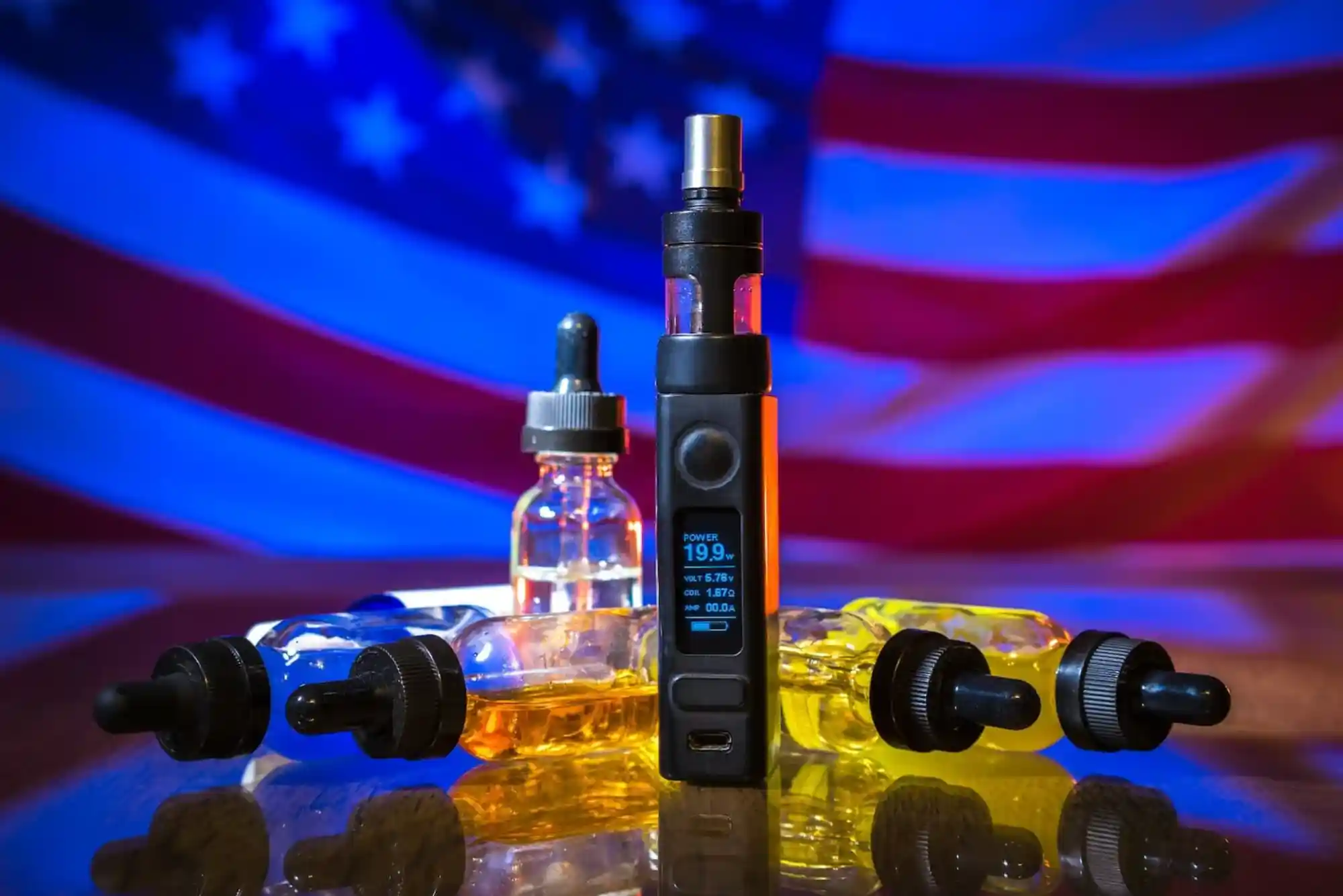
Vaping and Sustainability: Eco-Friendly Fashion Innovations in 2025 highlights an interesting conversation between modern lifestyle culture and environmental responsibility. Fashion is changing rapidly. Consumers are becoming more conscious of their purchasing decisions. They increasingly expect brands to consider environmental impact, material choices, and responsible manufacturing. At the same time, vaping culture has influenced certain lifestyle and fashion communities through modern accessories, technology, and personal expression.
However, combining vaping and sustainability requires a thoughtful approach. Electronic vaping devices contain batteries, electronic components, and other materials that require responsible disposal. Similarly, fashion products can create significant environmental challenges through excessive production and waste. Therefore, both industries have opportunities to explore better materials, longer-lasting products, and responsible consumer practices.
As conversations about environmental responsibility continue, brands are exploring ways to reduce waste. These developments also connect with broader sustainable fashion trends in 2025, where durability, transparency, and responsible innovation are becoming increasingly important.
Understanding Vaping and Sustainability in Modern Fashion
Vaping and Sustainability: Eco-Friendly Fashion Innovations in 2025 is not simply about combining two lifestyle industries. It also examines how consumer culture can encourage more responsible decisions.
Modern fashion increasingly reflects personal interests and everyday habits. Accessories, clothing designs, and lifestyle products often communicate individual identity. Vaping-related accessories have also become part of certain contemporary lifestyle aesthetics.
Nevertheless, sustainability should remain central to these discussions. Fashion brands must consider the environmental consequences of producing accessories and promotional merchandise. Likewise, vaping manufacturers should address electronic waste and product disposal.

The Growing Importance of Responsible Consumer Choices
Consumers are paying closer attention to how products are manufactured. They want to understand material origins, production methods, and disposal options. This shift encourages businesses to reconsider traditional manufacturing practices.
For example, fashion companies are experimenting with recycled textiles and lower-impact packaging. Accessory manufacturers are also exploring durable materials that can extend product lifespans.
These developments demonstrate how environmental responsibility can influence different lifestyle industries. However, attractive designs alone cannot make a product sustainable. Genuine improvements require measurable environmental commitments.
How Eco-Friendly Materials Are Influencing Fashion Innovation
Material selection is one of the most important aspects of sustainable fashion. Traditional textile production can require substantial water, energy, and chemical resources. Consequently, designers are exploring alternative materials that may reduce environmental pressure.
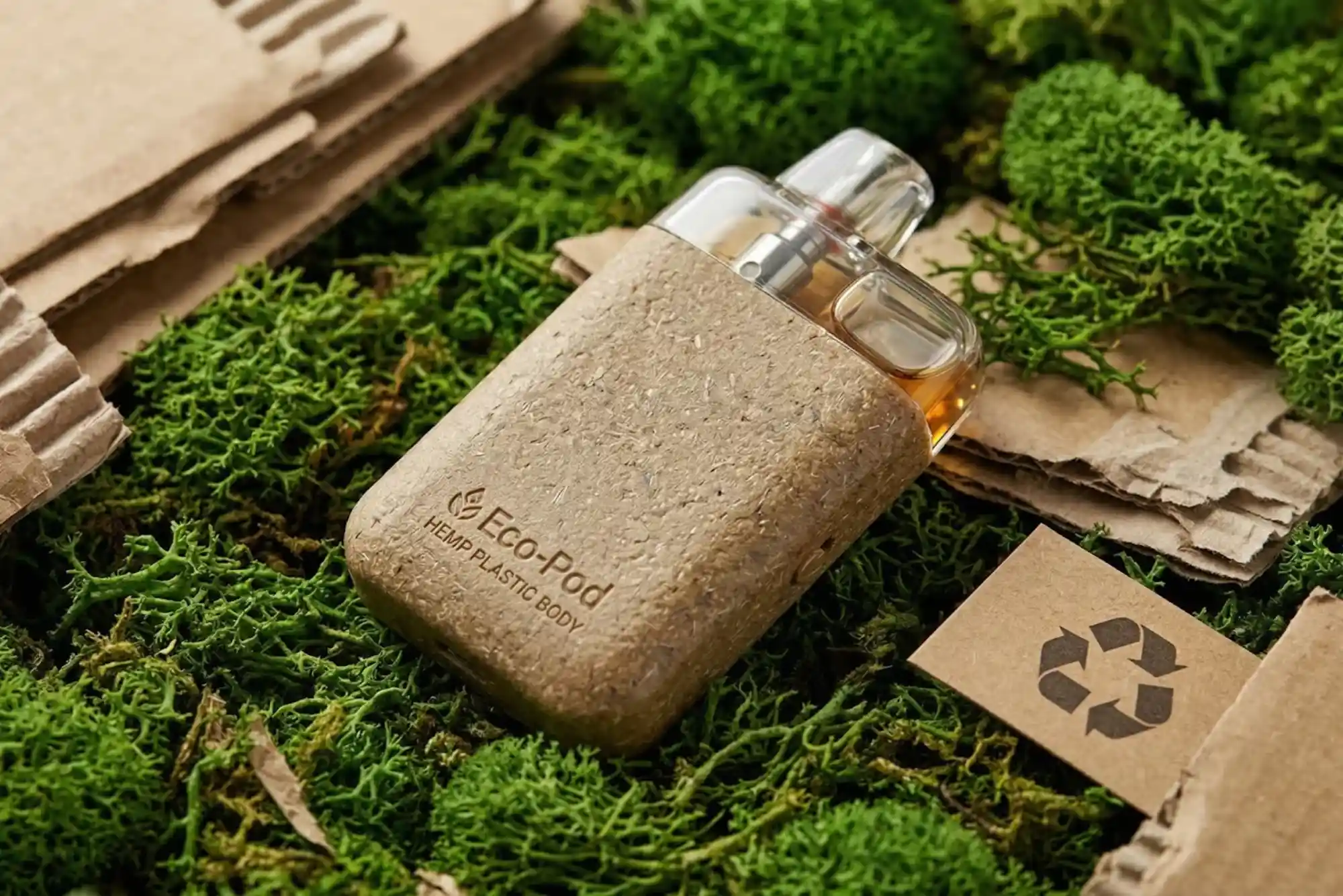
Recycled polyester, organic cotton, hemp, and responsibly sourced natural fibres are receiving greater attention. Each material offers different advantages and limitations.
Recycled Materials and Modern Accessories
Recycled materials can give existing resources another purpose. Instead of relying entirely on newly produced materials, manufacturers can incorporate recovered textiles and plastics into accessories.
This approach is particularly relevant to lifestyle merchandise. Bags, clothing details, storage cases, and protective accessories can incorporate recycled materials when suitable manufacturing standards are followed.
However, recycled content does not automatically guarantee environmental benefits. Companies should examine durability, processing requirements, and end-of-life options.
Organic Fabrics and Responsible Manufacturing
Organic cotton and hemp provide alternatives for certain conventional textile applications. Their environmental performance depends on farming methods, processing, transportation, and manufacturing practices.
Fashion designers can use these materials to create contemporary clothing without sacrificing appearance or comfort. Moreover, responsible production methods can help reduce unnecessary resource consumption.
Vaping and Sustainability: Eco-Friendly Fashion Innovations in 2025 also encourages consumers to think beyond product appearance. Understanding how materials are sourced can support more informed purchasing decisions.
The Connection Between Vaping Culture and Sustainable Streetwear
Streetwear has become an influential part of contemporary fashion. It combines casual clothing, distinctive accessories, cultural influences, and personal creativity.
Vaping culture sometimes overlaps with streetwear communities through lifestyle imagery and accessory aesthetics. Minimalist designs, metallic finishes, compact cases, and modern technology can influence visual preferences.
Nevertheless, there is an important difference between aesthetic innovation and environmental sustainability.
Minimalism and Longer-Lasting Designs
Minimalist fashion focuses on simplicity, versatility, and timeless appearance. Instead of frequently replacing accessories, consumers can choose designs that remain useful across different seasons.
This philosophy can influence lifestyle accessories as well. Durable cases, reusable storage solutions, and repairable products may reduce unnecessary replacement.
However, reusable does not always mean environmentally friendly. Product materials, manufacturing impacts, and actual usage patterns also matter.
Responsible Fashion Beyond Temporary Trends
Fashion trends change quickly. Unfortunately, excessive consumption can increase textile waste and unnecessary production.
Sustainable streetwear offers another approach. It encourages consumers to invest in versatile clothing and quality accessories.
Brands can support this movement through transparent sourcing and responsible manufacturing. They should also avoid presenting ordinary products as environmentally friendly without credible evidence.
Electronic Waste: An Important Challenge for the Vaping Industry
One of the most important environmental considerations surrounding vaping is electronic waste. Many vaping devices contain lithium-ion batteries, electronic circuits, and other components.
When these products are discarded incorrectly, they can contribute to environmental pollution and resource loss. Batteries also require appropriate handling because damaged or improperly discarded units can create fire risks.
Why Proper Battery Disposal Matters
Lithium-ion batteries should not be placed in ordinary household recycling bins unless local recycling guidance specifically permits it.
Consumers should follow municipal waste instructions and use appropriate battery collection facilities. Retailers and manufacturers can also help by providing clear disposal information.
This responsibility is particularly important for disposable electronic products. Their short usage periods can create additional waste when collection and recycling systems are unavailable.
Designing Products for Better End-of-Life Management
Manufacturers can improve product sustainability by considering disposal during the design process.
Products that are easier to disassemble may support better material recovery. Replaceable components can also extend useful lifespans when designed safely and responsibly.
Furthermore, transparent recycling programmes can help consumers understand what happens after products reach the end of their useful lives.
How Fashion Brands Can Encourage More Sustainable Practices
Fashion businesses have considerable influence over production standards and consumer expectations. Their decisions can encourage responsible purchasing across different lifestyle categories.
For example, brands can prioritise durable materials, reduce unnecessary packaging, and improve supply-chain transparency.
They can also introduce repair services and take-back programmes. These initiatives help reduce waste while encouraging longer product use.
Sustainable Packaging and Reduced Waste
Packaging is another important consideration. Excessive plastic, unnecessary layers, and non-recyclable materials can increase environmental pressure.
Businesses can explore recycled cardboard, responsibly sourced paper, and simpler packaging designs. However, packaging choices should also protect products effectively.
A successful approach balances product safety, transportation requirements, and material efficiency.
Transparency and Environmental Claims
Consumers increasingly expect evidence behind sustainability claims. Businesses should explain their material choices and manufacturing standards clearly.
Terms such as green, natural, and eco-friendly should not replace meaningful information. Brands should communicate specific improvements rather than relying on vague marketing language.
This approach builds trust and supports more responsible purchasing decisions.
The Role of Consumers in Sustainable Lifestyle Choices
Businesses have an important responsibility, but consumers also influence market behaviour.
Purchasing fewer unnecessary products can reduce demand for excessive production. Choosing durable clothing and maintaining existing accessories can also extend product lifespans.
Consumers interested in vaping should pay particular attention to battery safety and electronic waste. They should use appropriate collection services instead of disposing of devices carelessly.
Making More Informed Fashion Decisions
Before purchasing clothing, consumers can examine fabric composition and manufacturing information. They can also consider whether an item offers lasting value.
Second-hand clothing provides another way to extend the useful life of existing garments. Repairing damaged items can further reduce unnecessary replacement.
These habits reflect the broader direction of sustainable fashion. They also demonstrate that environmental responsibility involves everyday decisions rather than occasional marketing campaigns.
What Does the Future Hold for Vaping and Sustainable Fashion?
The future of Vaping and Sustainability: Eco-Friendly Fashion Innovations in 2025 depends on meaningful improvements across manufacturing, product design, and consumer behaviour.
Fashion brands are likely to continue exploring recycled materials and circular production models. Meanwhile, electronic product manufacturers face growing pressure to address battery collection and responsible disposal.
Collaboration between designers, manufacturers, retailers, and recycling organisations could encourage better practices.
Technology may also support improved material tracking and supply-chain transparency. However, these innovations must deliver measurable results to create genuine environmental benefits.
Ultimately, sustainable progress requires more than attractive packaging or fashionable product designs. It requires responsible production, realistic environmental claims, and effective waste management.
Why Vape-Inspired Fashion is Dominating the Streetwear Scene in 2025 reflects the growing influence of modern technology and bold aesthetics on urban style. From sleek accessories to futuristic designs, vape-inspired trends are shaping contemporary streetwear, blending individuality, creativity, and modern fashion culture.
Conclusion
Vaping and Sustainability: Eco-Friendly Fashion Innovations in 2025 reflects the growing relationship between modern lifestyle culture and environmental responsibility. Fashion innovation is increasingly connected with recycled materials, durable accessories, responsible packaging, and transparent manufacturing.
At the same time, the vaping industry must address electronic waste and battery disposal. Both industries can contribute to better environmental practices through thoughtful product design and responsible business decisions.
Frequently Asked Questions.
What are the biggest sustainable fashion trends in 2025?
Major sustainable fashion developments include recycled fabrics, organic materials, circular production, second-hand clothing, and improved supply-chain transparency. Durability and responsible consumption are also receiving greater attention.
How does vaping affect the environment?
Vaping can contribute to electronic waste through discarded devices, batteries, cartridges, and packaging. Improper disposal can create environmental and fire-safety concerns. Appropriate collection and recycling are important.
Are recycled materials better for sustainable fashion?
Recycled materials can reduce dependence on newly extracted resources and help reuse existing waste. However, their overall environmental benefits depend on processing, transportation, durability, and disposal.
Can vaping devices be recycled?
Some components may be recyclable through specialised electronic waste programmes. Batteries and electronic parts require appropriate collection facilities. Consumers should follow local disposal regulations.
Why is sustainable packaging important in fashion?
Sustainable packaging can reduce unnecessary material consumption and packaging waste. Recycled cardboard and appropriately sourced paper are potential alternatives to conventional plastic packaging.
Discover useful insights, updates, and information about vaping with VapExplore, a platform dedicated to exploring vape culture, industry developments, and emerging trends. Whether you are interested in vaping technology, product innovations, or lifestyle discussions, VapExplore offers informative content to help readers stay updated with the evolving vaping landscape.
Related Reading: How Vaping Culture is Changing the Way We View Streetwear in 2025