
Introduction
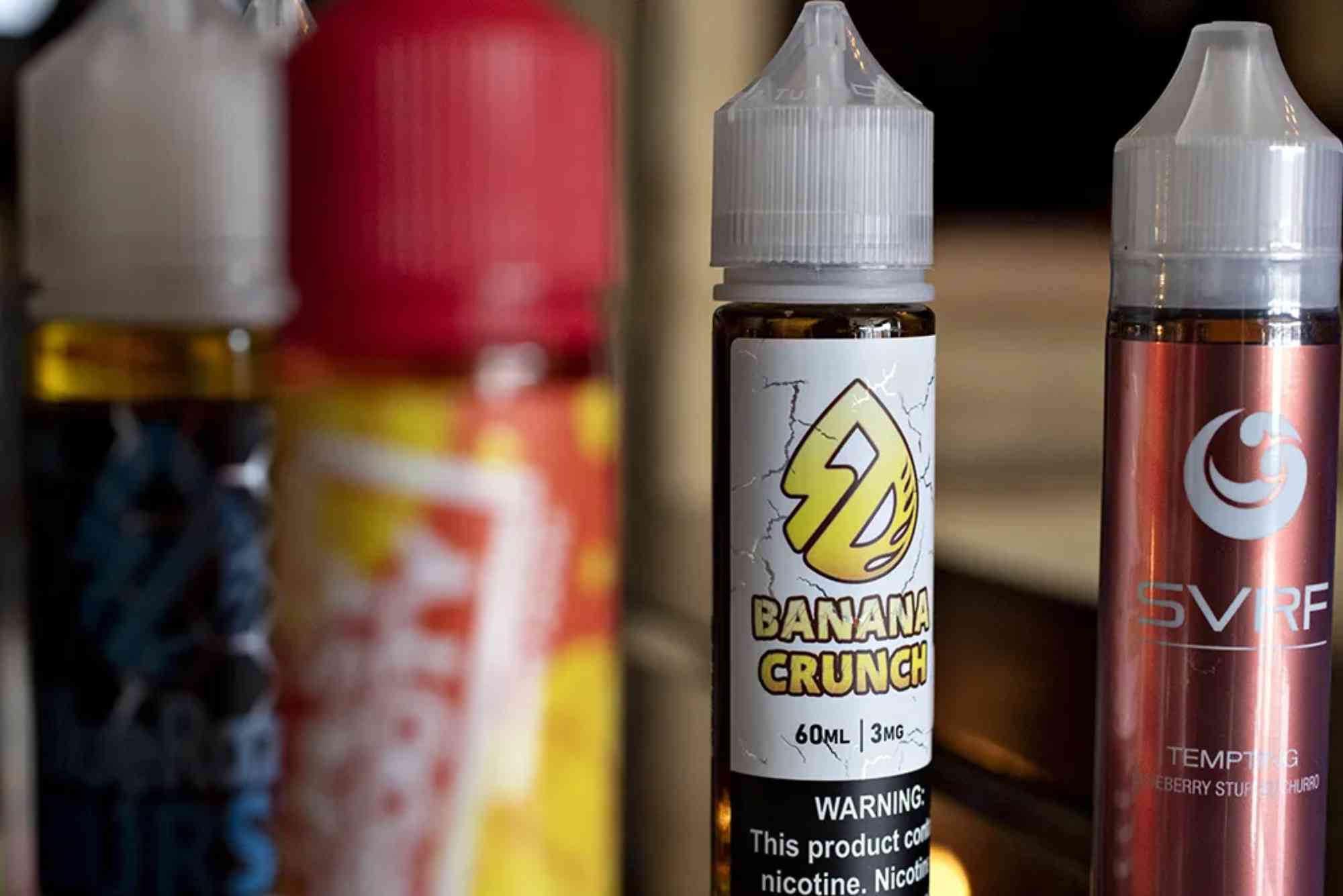
The conversation around flavored vapes in West Virginia has gained significant attention recently. Vaping has been widely promoted as a less harmful alternative to traditional cigarettes, yet flavored e-cigarettes remain controversial. Are flavored vapes banned in West Virginia? This question is pivotal, not only for vapers but also for public health policymakers seeking effective tobacco harm reduction strategies. Understanding the state’s regulations and their broader implications could shape the future of smoking alternatives.
Flavored Vape Regulations in West Virginia
West Virginia has been cautious in addressing flavored vapes. While some states have implemented outright bans on certain flavors to reduce youth vaping, West Virginia’s approach has been nuanced. The state has focused on monitoring youth access and promoting awareness about potential health risks rather than an immediate, sweeping prohibition. This regulatory environment raises questions about the balance between protecting young people and allowing adult smokers access to potentially less harmful alternatives.
Youth Protection Measures
The primary concern driving any restrictions on flavored vapes is youth exposure. Studies have shown that flavored e-cigarettes are particularly appealing to teenagers, increasing the likelihood of nicotine addiction. West Virginia has implemented policies that restrict the sale of these products to minors and emphasize retailer compliance. Although these measures stop short of a total ban, they reflect an ongoing effort to limit youth vaping without eliminating adult access entirely.
Impact on Adult Smokers
For adult smokers seeking alternatives, flavored vapes provide a critical pathway for reducing harm. Unlike combustible cigarettes, e-cigarettes produce fewer toxic chemicals, potentially lowering long-term health risks. Limiting or banning flavors could inadvertently push adults back to traditional smoking. West Virginia’s cautious stance suggests that policymakers recognize the importance of maintaining access for harm reduction while still addressing youth concerns.
The Role of Flavored Vapes in Tobacco Harm Reduction
Harm reduction in tobacco policy refers to strategies that reduce the health risks associated with smoking without necessarily eliminating nicotine use. Flavored vapes can play a significant role in this approach. Evidence indicates that adult smokers are more likely to switch from cigarettes to vaping when appealing flavors are available. This transition can significantly decrease exposure to harmful chemicals, improving public health outcomes over time.
Public Health Perspectives
Health organizations continue to debate the benefits and risks of flavored e-cigarettes. Proponents argue that flavors encourage smokers to transition away from combustible tobacco, while critics highlight the risk of youth initiation. West Virginia’s cautious but permissive regulatory approach may allow the state to observe the effects of flavored vape use in a real-world context, offering valuable data for nationwide harm reduction strategies.

Economic Considerations
Flavored vapes also influence the local economy. Vape shops, online retailers, and supply chains benefit from the availability of diverse products. A sudden ban could disrupt this sector, impacting jobs and tax revenues. West Virginia’s measured approach balances economic interests with public health priorities, demonstrating a strategic method of policy implementation.
Comparing West Virginia to Other States
West Virginia’s approach differs from states like New York and Massachusetts, which have enacted strict bans on flavored e-cigarettes. By avoiding a complete prohibition, West Virginia provides an alternative model for balancing youth protection with adult harm reduction. This strategy could serve as a blueprint for other states seeking to integrate harm reduction into tobacco policy without causing unintended negative consequences.
Lessons from Other States
States with strict bans have faced mixed results. Some experienced declines in youth vaping but also a rise in illicit markets and adult smokers returning to cigarettes. West Virginia’s regulatory model may reduce these risks by maintaining controlled access while focusing on education and retailer compliance. Observing outcomes here could provide valuable insights for federal and state policymakers.
Potential for Leadership in Harm Reduction
West Virginia has the opportunity to lead in evidence-based tobacco harm reduction. By allowing adults access to flavored vapes while enforcing strict measures against youth use, the state can generate data on public health impacts. This approach could inform national strategies and demonstrate that balanced regulation is possible.
Health Risks and Safety Considerations
While vaping is generally considered less harmful than smoking, it is not risk-free. E-cigarettes contain nicotine, which can lead to addiction and cardiovascular effects. Some studies suggest that long-term inhalation of certain flavoring chemicals may pose respiratory risks. Therefore, Are Flavored Vapes Banned in West Virginia – Can It Lead the Way in Tobacco Harm Reduction? responsible use and adherence to safety standards remain crucial. Public education campaigns in West Virginia emphasize these risks, helping users make informed choices.
Quality Standards and Regulation
Ensuring product quality is essential for harm reduction. West Virginia’s regulatory framework requires that vape products meet safety standards and that manufacturers adhere to proper labeling practices. This oversight minimizes the risk of counterfeit or unsafe products entering the market, fostering a safer environment for adult users.
The Role of Education
Education plays a critical role in reducing harm. Public health campaigns aim to inform both youth and adult populations about the risks and benefits of vaping. West Virginia’s emphasis on awareness complements regulatory measures, ensuring that harm reduction is achieved through knowledge and informed decision-making.
Future Outlook
The trajectory of flavored vape policy in West Virginia will likely be influenced by emerging research, federal guidance, and public opinion. If evidence continues to support the role of flavored vapes in reducing smoking-related harm, the state may become a model for other regions. Balancing public health protection with adult access will remain a key challenge, but West Virginia’s approach demonstrates that nuanced, evidence-based policy is possible.
Monitoring and Evaluation
Ongoing monitoring is essential to assess the impact of flavored vape policies. Data collection on youth usage, adult transitions from smoking, and health outcomes will help refine regulations. This evidence-driven approach ensures that policies remain effective and adaptable.
Potential Policy Adjustments
As new research emerges, West Virginia may adjust its regulations. This could involve targeted flavor restrictions, enhanced retail compliance, or additional education programs. Flexibility in policy design allows the state to respond to public health needs while supporting harm reduction.
Flavored vapes in West Virginia occupy a complex space between youth protection and adult harm reduction. While they are not fully banned, the state has implemented measures to limit youth access and ensure safe use. By prioritizing evidence-based policy, West Virginia could lead the way in tobacco harm reduction, offering a model that balances public health, economic interests, and personal choice. Adult smokers seeking alternatives should consider vaping responsibly as part of a broader harm reduction strategy.
Explore more on the West Virginia Department of Health — flavor policy notices for updates and guidance.
FAQ
Are flavored vapes legal in West Virginia?
Yes, flavored vapes are currently legal for adult use, but sales to minors are strictly prohibited.
Why are flavored vapes controversial?
They appeal to youth, raising concerns about nicotine addiction, even as they support adult harm reduction.
Do flavored vapes help people quit smoking?
Research suggests that flavors increase the likelihood that adult smokers switch from cigarettes, reducing exposure to harmful chemicals.
What measures protect youth from vaping in West Virginia?
Retailer compliance checks, age verification, and public education campaigns help prevent youth access.
Could West Virginia become a leader in harm reduction?
Yes, by balancing adult access with youth protection and monitoring outcomes, the state can inform national tobacco policy strategies.


