
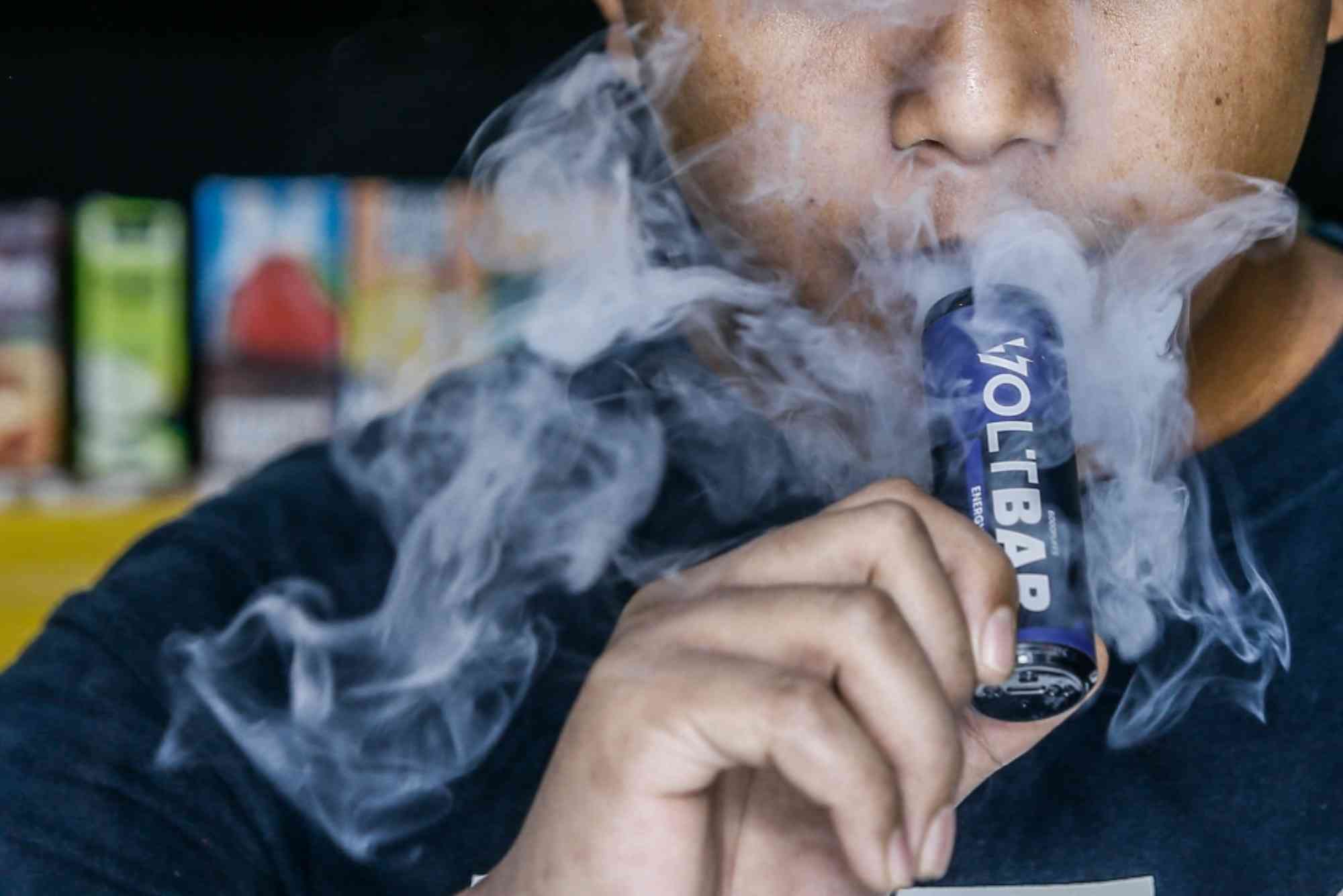
Vaping has gained global attention as a potential alternative to traditional smoking. In Malaysia, the debate around vaping is particularly heated, raising questions about legality, health impacts, and whether it can contribute to tobacco harm reduction. This article explores the legal status of vaping in Malaysia, the health implications, and its potential as a harm reduction tool.
Understanding Vaping and Its Popularity in Malaysia
Vaping, or the use of electronic cigarettes, involves inhaling vapor produced from liquid solutions that usually contain nicotine, flavorings, and other chemicals. Unlike traditional cigarettes, vaping does not involve burning tobacco. This fundamental difference has positioned vaping as a potential harm reduction tool for smokers looking to quit or reduce tobacco consumption.
In Malaysia, vaping has seen a surge in popularity over the past decade, especially among young adults and urban populations. The appeal lies not only in the variety of flavors but also in the perception that it is less harmful than smoking conventional cigarettes.
The Legal Landscape of Vaping in Malaysia
Understanding whether vaping is illegal in Malaysia requires a close look at national regulations. According to the Malaysian Ministry of Health — control & enforcement pages, the sale and distribution of e-cigarettes containing nicotine are strictly regulated.
Legal Restrictions
Nicotine-containing e-liquids are considered pharmaceuticals in Malaysia. Therefore, their sale is illegal without proper licensing. Individuals caught selling nicotine e-liquids can face fines or even imprisonment.
Permissible Use
While the sale of nicotine-containing e-liquids is restricted, the possession and use of non-nicotine e-cigarettes are generally allowed. This legal grey area has led to a booming market for flavored vape liquids that do not contain nicotine.

Enforcement and Control
Enforcement of vaping regulations in Malaysia is challenging. The Malaysian Ministry of Health — control & enforcement pages highlight ongoing efforts to crack down on illegal sales. Customs and local authorities have intensified inspections at points of entry and retail outlets to prevent illegal nicotine e-liquid distribution.
Health Considerations of Vaping
The health implications of vaping remain a topic of scientific debate. While vaping is widely considered less harmful than smoking traditional cigarettes, it is not risk-free.
Reduced Exposure to Harmful Chemicals
Traditional cigarettes release thousands of harmful chemicals, many of which are carcinogenic. Vaping significantly reduces exposure to these chemicals, potentially lowering the risk of diseases associated with smoking.
Nicotine Dependence
Nicotine-containing e-cigarettes can still lead to dependence. Users who switch entirely from cigarettes to vaping may reduce harm but may not eliminate the risk entirely.
Impact on Young Adults
The popularity of flavored e-liquids has raised concerns about youth uptake. Adolescents who vape may be more likely to start smoking traditional cigarettes later. Public health authorities are therefore cautious in promoting vaping without regulatory safeguards.
Vaping as a Tobacco Harm Reduction Strategy
Tobacco harm reduction (THR) refers to strategies aimed at reducing health risks for individuals who cannot or do not wish to quit smoking entirely. Vaping is often discussed within this context.
Evidence Supporting Harm Reduction
Several studies suggest that smokers who switch completely to vaping experience reduced exposure to harmful toxins. This has led to international discussions about integrating vaping into public health strategies aimed at reducing smoking-related diseases.
Challenges in Malaysia
Despite potential benefits, Malaysia faces unique challenges in implementing vaping as a harm reduction strategy. Strict regulations on nicotine e-liquids limit access to effective alternatives for smokers. Additionally, the lack of widespread public education about vaping’s relative risks hampers its adoption as a harm reduction tool.
Potential Policy Approaches
To leverage vaping for harm reduction, Malaysia could consider regulated frameworks that allow adult smokers to access nicotine-containing e-cigarettes safely. Such policies would need to include age restrictions, quality standards, and public education campaigns to minimize risks.
Social and Cultural Factors Influencing Vaping
The acceptance of vaping in Malaysia is influenced by cultural and social factors. Smoking is deeply entrenched in some social settings, making harm reduction strategies challenging to implement.
Public Perception
While urban populations are more receptive to vaping, rural areas often view e-cigarettes with skepticism. Misconceptions about safety and legality contribute to mixed public attitudes.
Community-Based Initiatives
Community programs and awareness campaigns can help educate smokers about safer alternatives. Collaboration with healthcare providers, including cessation programs, is essential to ensure vaping serves as an effective harm reduction tool.
Economic Considerations
The vaping industry presents economic opportunities as well as challenges.
Market Potential
The demand for legal, regulated vaping products could stimulate local businesses. Entrepreneurs may invest in compliant manufacturing and distribution, boosting the economy while adhering to health regulations.
Cost of Enforcement
On the flip side, strict enforcement of nicotine bans requires significant public resources. Balancing economic growth with public health objectives is a critical policy challenge.
Future Outlook for Vaping in Malaysia
The future of vaping in Malaysia hinges on regulatory clarity, Is it Illegal to Vape in Malaysia – Can It Lead the Way in Tobacco Harm Reduction? public health priorities, and cultural acceptance. There is potential for vaping to play a significant role in reducing tobacco-related harm if carefully integrated into national health strategies.
Regulatory Developments
Authorities may consider revising regulations to differentiate between high-risk nicotine products and safer alternatives. This approach could allow adult smokers to access harm reduction tools while protecting youth from early nicotine exposure.
Public Health Integration
Healthcare providers could integrate vaping into smoking cessation programs, offering tailored support for smokers who have struggled to quit through conventional methods. Such integration would require robust evidence, monitoring, and clear guidelines.
Innovation and Technology
Technological advancements in vaping devices and e-liquids can also influence the market. Safer, regulated, and user-friendly products could encourage smokers to transition away from traditional tobacco.
In summary, vaping in Malaysia exists in a complex legal and social environment. While nicotine-containing e-cigarettes are heavily regulated, non-nicotine products occupy a legal grey area. Vaping has the potential to contribute to tobacco harm reduction, but this potential is limited by regulatory, cultural, and educational barriers.
For Malaysia to fully leverage vaping as a harm reduction tool, authorities may need to adopt nuanced policies that prioritize adult smokers’ access to safer alternatives, implement robust public education campaigns, and maintain stringent measures to prevent youth uptake.
For more information on regulation and enforcement, visit the Malaysian Ministry of Health — control & enforcement pages.
FAQ
Is vaping illegal in Malaysia?
Yes, the sale and distribution of nicotine-containing e-liquids are illegal without proper licensing, but non-nicotine e-cigarettes are generally allowed.
Can vaping help me quit smoking?
Vaping may reduce harm and help some smokers quit, but results vary. Combining vaping with professional cessation support increases success rates.
Are flavored e-liquids legal in Malaysia?
Flavored e-liquids without nicotine are legal. However, nicotine-containing flavored e-liquids are prohibited.
What are the health risks of vaping?
Vaping is generally considered less harmful than smoking but can still expose users to chemicals and nicotine, leading to potential health risks.
How is vaping regulated in Malaysia?
Regulations focus on preventing illegal sales of nicotine e-liquids, enforcing age restrictions, and controlling import and distribution.


