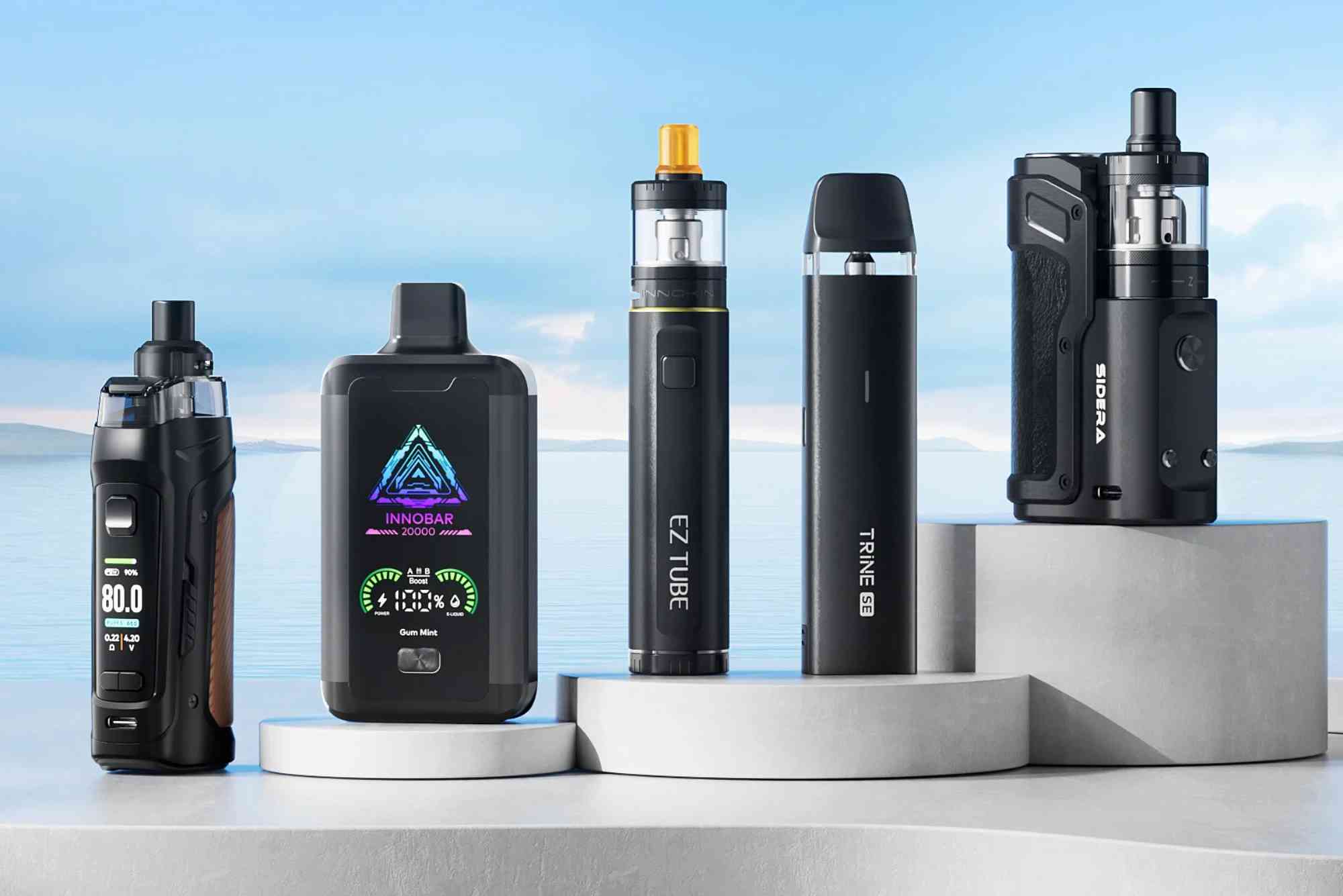
The Role of Temperature Control in Vaping
Temperature control vaping gives you a way to cap coil heat instead of only pushing raw wattage. By telling the mod the maximum temperature you want the coil to reach, you gain smoother flavor, fewer dry hits, longer coil life, and greater consistency from the first puff to the last. In this guide, you will learn what temperature control vaping is, how it works, why it matters, how to set it up correctly, and when you should choose it over plain wattage mode.
What Is Temperature Control Vaping?
Temperature control vaping, often shortened to TC, is a mode where your device limits coil temperature in real time. The mod measures slight resistance changes in certain metals as they heat. It then adjusts power many times per second to hold the temperature you set. Instead of hitting 70 watts no matter what, the device throttles or boosts power to keep the coil near, for example, 220 °C or 430 °F.
How It Differs From Wattage Mode
Wattage mode is simple. You pick a power level and the mod tries to deliver it, regardless of how hot the coil gets. Temperature control vaping flips the logic. You pick a temperature, and the mod decides how much power is needed to stay at that point. The experience feels smoother, because the vape does not spike hotter as the coil dries out.
How Mods Read Resistance Curves (TCR)
The magic behind temperature control vaping is the temperature coefficient of resistance, or TCR. Metals like nickel, titanium, and stainless steel increase resistance predictably as they warm. The chip inside your mod uses that predictable curve to estimate temperature. You tell the device which metal you use or input a custom TCR value. It then converts resistance shifts into temperature data and regulates power to match your target.
Why Temperature Control Matters for Flavor, Safety, and Coil Life
Temperature control vaping matters because it solves three common problems: burnt cotton, flavor swings, and short coil life. By never letting the coil pass your chosen limit, TC keeps e‑liquid from overheating and degrading. The result is cleaner taste, less harshness, and fewer surprise dry hits.
Preventing Dry Hits and Burnt Cotton
A dry hit happens when cotton lacks liquid but you still push power. In wattage mode the coil can scorch cotton in a split second. In temperature control vaping, resistance spikes as the wick dries. The mod senses the jump and cuts power instantly. Your cotton stays intact and your throat stays happy.

Consistent Flavor Across Puffs
Wattage mode often feels stronger on a fresh coil and weaker as the tank empties. Temperature control vaping evens things out. Because the device seeks a specific heat, every puff tastes consistently warm and saturated, right up until you actually run out of juice.
Extending Coil Longevity
Overheating caramelizes sweeteners and darkens cotton. That gunk shortens coil life. Because temperature control vaping prevents runaway heat, coils foul more slowly. You spend less time swapping heads and more time enjoying your favorite liquid.
The Science: TCR, Wire Types, and Algorithms
Not every wire works for temperature control vaping. Your mod needs a metal with a known resistance curve, so it can map resistance to temperature accurately.
Nickel, Titanium, and Stainless Steel
Nickel (Ni200) has a high TCR, which makes temperature tracking very sensitive, but it is very soft and not ideal for intricate builds. Titanium also supports TC but must be used carefully, as it can oxidize at very high heat. Stainless steel (most commonly SS316L or SS304) is popular because you can use it in both wattage and temperature control vaping. It has a lower TCR than nickel, but enough for accurate regulation. Many vapers prefer stainless steel for its balance of safety, versatility, and build quality.
Custom TCR Modes
Modern boards often let you set a custom TCR number. This matters when your wire type is not preloaded or you want to fine tune accuracy. You enter the manufacturer’s recommended TCR or a community-tested value, lock your resistance at room temperature, and let the device handle the rest.
How To Set Up Temperature Control Correctly
A clean setup is crucial. Temperature control vaping rewards attention to detail, and small mistakes can cause pulsing, weak vapor, or inaccurate readings.
Locking Resistance at Room Temperature
Always install and tighten your coil cold. Attach the atomizer, make sure everything is room temperature, then lock the base resistance if your mod allows. That value is the anchor point for the chip’s temperature estimates. If you lock it while the coil is warm, the mod will misread and either underheat or overheat.
Choosing a Temperature Range
Most vapers land between 200–260 °C (392–500 °F). Start low, at around 220 °C or 430 °F, and adjust upward in small steps until flavor and warmth feel right. Nicotine salts and high PG juices can feel punchy at lower temperatures. Thick, sweet, high VG liquids may need a little more heat to shine.
Power Limits and Preheat
Even in temperature control vaping, most mods let you set a wattage ceiling. Think of it as the engine size. The device can use that power to get you up to temperature quickly, then taper off. Set it high enough for fast ramp up, but not so high that the vape spikes before the chip can react. Many users find a ceiling in the same ballpark as they would use in wattage mode, or a touch lower if the coil is small.
Ideal Temperature Ranges for Different E‑Liquids
Temperature control vaping gives you freedom to tailor warmth to your recipe. Thin, high PG liquids usually shine at the lower end. Nicotine salts, known for smooth throat hit, often feel best in the 200–230 °C range. Dense, sweet, high VG blends can sing at 230–250 °C because they require more heat to atomize well. Always start low and rise slowly, because each flavoring compound has its own sweet spot. Your tongue will tell you when you reach it.
Freebase vs Nicotine Salts
Freebase nicotine delivers more throat hit at the same temperature. You may prefer to lower temperature slightly with freebase to keep the bite in check. With salts, you can often raise temperature for a warmer, denser puff without harshness.
PG/VG Blends
Higher PG carries flavor but thins vapor. Lower temperatures can preserve clarity. High VG is thick, smooth, and vapor heavy. It often needs a bit more temperature to avoid feeling wet or undercooked.
Common Mistakes and How to Fix Them
Temperature control vaping is forgiving, yet a few traps catch many users.
Using Kanthal or Nichrome in TC Mode
Kanthal and Nichrome barely change resistance as they heat, so the mod cannot track temperature. Use these only in wattage mode. For temperature control vaping, switch to stainless steel, nickel, or titanium.
Not Locking Resistance or Overtightening When Hot
Lock resistance when the coil is cold. If you take the tank off while hot and put it back on cold, the mod may think you installed a new coil and shift the baseline. Recheck and relock when needed.
Loose Screws, Hot Spots, and Dirty Threads
Poor connections cause jumpy resistance, which ruins temperature control accuracy. Tighten posts, strum out hot spots, and clean contacts. A stable base resistance equals a stable vape.
Temperature Control vs Wattage Mode: Which One Should You Use?
Use wattage mode when you want quick simplicity, when you build with Kanthal, or when you are chasing the most aggressive ramp up. Pick temperature control vaping when flavor consistency, coil safety, and dry hit prevention matter most. For mouth to lung users and flavor chasers, TC often becomes the default. For hobby cloud builds that push exotic wires in wattage mode, TC may feel restrictive. Many vapers keep both tools ready and choose per liquid, atomizer, or mood.
Is Temperature Control Safer?
Temperature control vaping can lower the risk of scorching wicks and overheating e‑liquid. By keeping the coil under a cap, it helps avoid peaks where aldehydes and other thermal degradation byproducts rise. It is not a medical device, and it does not make vaping safe, but it does make coil operation more controlled. If you value predictability and fewer burnt moments, temperature control vaping delivers.
Choosing a Device and Tank for TC
Pick a regulated mod with proven, accurate TC performance and the option to set custom TCR. Stainless steel compatible coils or rebuildable atomizers with SS, Ni, or Ti wire are essential. A stable 510 connection and solid build quality help the chip read resistance correctly. For rebuildables, spaced stainless steel coils are popular because they heat evenly and are easy to wick.
Advanced Tips for Dialing In Perfection
You can fine tune the feel of temperature control vaping with a few advanced tweaks. First, calibrate your TCR if you find the displayed temperature does not match the warmth you expect. Second, experiment with preheat wattage to speed ramp up without overshoot. Third, revisit your temperature after a few tanks. Wick age, coil gunk, and seasonal ambient temperatures can nudge performance. Finally, remember that every liquid behaves differently. Lock in a profile per juice if your mod allows and switch on the fly.
Embrace Control, Protect Flavor, Enjoy Consistency
Temperature control vaping hands you a thermostat for your coil. You gain smoother flavor, fewer dry hits, longer coil life, and a calmer, more repeatable vape. Start with stainless steel, lock your resistance cold, choose a modest temperature, and creep upward until you find your sweet spot. If you are ready to stop guessing and start governing your heat, make your next build a temperature control vaping setup and taste the difference. Ready to dial it in? Try TC on your current mod today and experience true consistency.
FAQs
What temperature should I set my vape to?
Most vapers start around 200–230 °C (392–446 °F) and adjust in small steps. Let flavor, warmth, and smoothness guide you.
Is temperature control better than wattage mode?
It is better for consistency, dry hit prevention, and coil longevity. Wattage mode is simpler and suits wires that do not work in TC.
Can you use temperature control with Kanthal coils?
No. Kanthal’s resistance barely shifts with heat, so the mod cannot estimate temperature. Use stainless steel, nickel, or titanium.
Does temperature control save battery?
Often yes, because the mod only uses the power needed to hold your set temperature, not full blast all the time.
How do I know if my mod supports temperature control?
Check the menu for TC modes like SS, Ni, Ti, or a TCR setting. Most modern regulated mods list TC on the box or manual.
What is TCR in vaping?
TCR stands for temperature coefficient of resistance. It describes how much a metal’s resistance rises as it heats, which lets your mod estimate coil temperature.