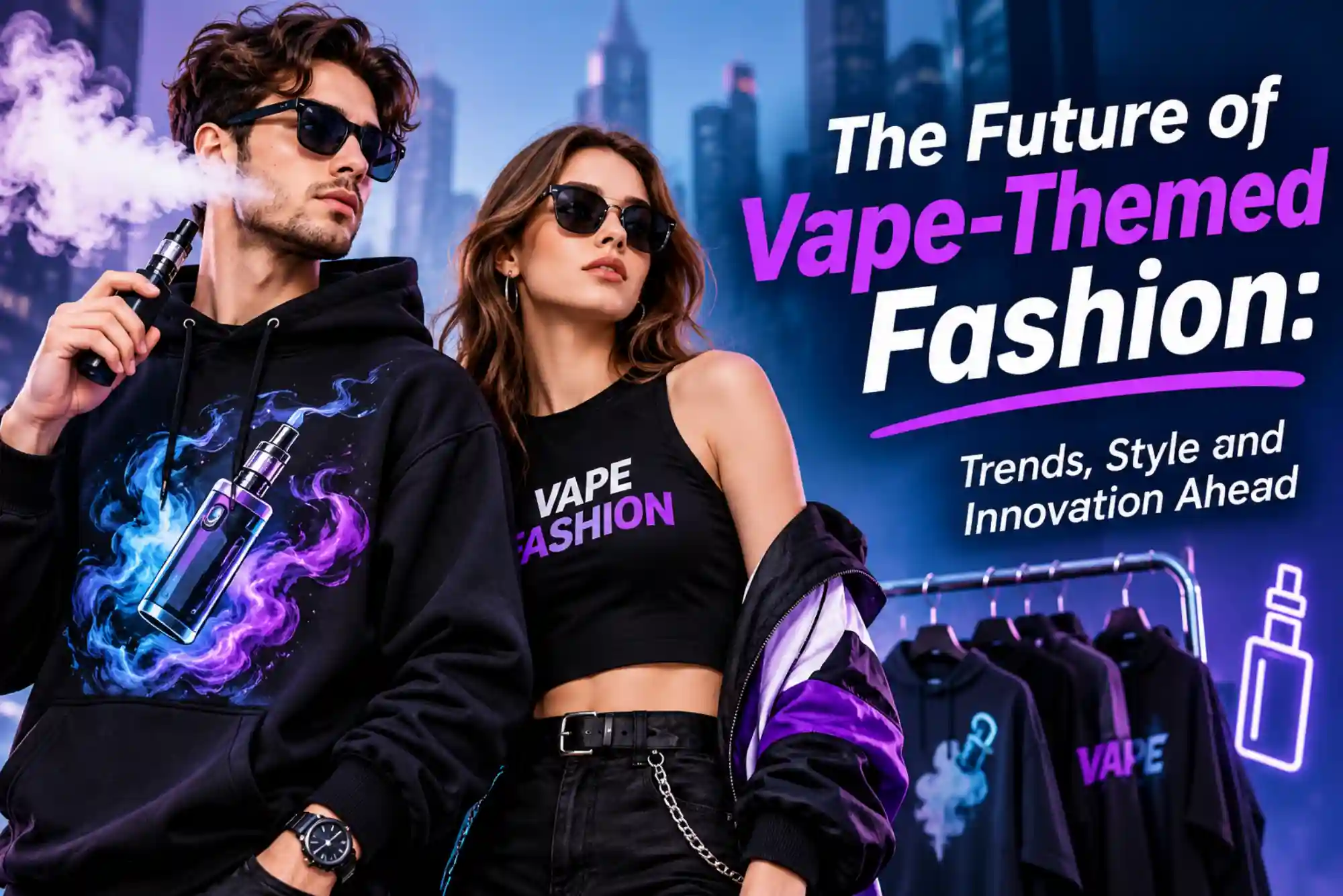
Introduction
Technology and fashion continue to influence how people express themselves. Today, wearable technology is changing the relationship between personal accessories and modern lifestyles. Smartwatches, fitness trackers, and connected jewelry have already become familiar parts of everyday fashion. Meanwhile, discussions about wearable vape devices introduce another dimension to this evolving technological landscape.
Vaping, Tech, and Fashion: How Wearable Vape Devices Are Shaping the Future explores how technology, product design, and changing fashion preferences intersect. These developments raise interesting questions about innovation, convenience, appearance, and responsible product design.
Although wearable vape concepts remain a developing area, they demonstrate how designers explore new relationships between technology and personal accessories. Their future will depend on safety, regulation, consumer protection, and genuine technological improvements.
Understanding the Connection Between Vaping, Tech, and Fashion
Fashion has always reflected technological progress. From synthetic fabrics to smart textiles, innovation continuously changes how accessories look and function. Electronic devices have also become smaller and more visually integrated into everyday products.
Wearable vape concepts follow a similar design conversation. Instead of treating electronic devices exclusively as functional objects, designers may explore how their appearance relates to clothing, accessories, and personal style.
However, attractive design should never overshadow health considerations. Electronic cigarettes are not harmless fashion accessories. Their use carries health risks, and nicotine can cause dependence.

The important question is how technology and industrial design influence the wider conversation around these products.
How Wearable Technology Is Influencing Vape Design
Wearable technology has transformed expectations about portable electronics. Consumers increasingly appreciate compact designs, intuitive controls, and products that integrate naturally into everyday environments.
These expectations influence conversations about future electronic devices, including wearable vape concepts.
Smaller and More Integrated Designs
Modern electronics demonstrate how components can become increasingly compact. Improved manufacturing techniques allow designers to explore smaller electronic systems without necessarily sacrificing functionality.
This development creates opportunities for innovative industrial design. However, miniaturization must consider battery protection, temperature management, and electronic reliability.
For wearable concepts, these considerations become particularly important. Devices placed near clothing or skin require careful thermal and electrical engineering.
Smart Features and Digital Connectivity
Connected technology has introduced new possibilities for monitoring electronic products. Bluetooth connectivity, mobile applications, and digital interfaces are common across consumer electronics.
Similar technologies may influence future research into electronic nicotine delivery products. Nevertheless, additional connectivity does not automatically make vaping safer.
Any digital feature should prioritize transparency, privacy, and consumer protection. Features that encourage increased nicotine consumption or prolonged use raise serious ethical concerns.
Materials and Everyday Comfort
Materials strongly influence how wearable products look and feel. Lightweight metals, durable polymers, and skin-compatible materials are widely used in wearable electronics.
Future wearable device research may explore these materials for improved durability and practical design.
However, material selection must consider heat exposure, chemical compatibility, and battery safety. Comfort should never replace proper safety testing.
The Role of Fashion in Future Wearable Device Design
Fashion is more than appearance. It communicates creativity, identity, and individual preferences. Consequently, technology companies increasingly consider visual design when developing consumer electronics.
Wearable vape concepts bring these discussions into a particularly sensitive category.
Minimalist Design and Modern Accessories
Minimalism remains influential across contemporary product design. Clean surfaces, simple shapes, and understated finishes create a recognizable aesthetic.
These principles also influence portable electronic products. Designers may explore ways to make devices visually consistent with existing accessories.
However, fashionable presentation should not normalize nicotine consumption. Product communication must remain responsible, particularly where younger audiences could encounter these designs.
Personalization and Individual Expression
Personalization has become an important part of modern consumer culture. People increasingly prefer products that reflect their individual tastes.
Color choices, interchangeable decorative elements, and distinctive exterior finishes are common examples across ordinary electronics.
The same design principles can inform discussions about wearable electronic accessories. Nevertheless, customization should never disguise health warnings or make regulated products appear risk-free.
Fashion Marketing and Digital Influence
Digital marketing plays an important role in determining which design trends receive attention. Social platforms, fashion publications, and online communities influence conversations about emerging products.
Brands increasingly compete through storytelling, visual identity, and meaningful customer engagement.
Fashion marketers also need to understand changing audience expectations. For additional industry insight, explore these future fashion trends to watch.
This perspective highlights why modern marketing increasingly connects creativity, digital communication, and consumer experience.
Vaping, Tech, and Fashion: How Wearable Vape Devices Are Shaping the Future of Innovation
Innovation involves more than introducing new shapes or adding electronic features. Successful product development requires practical engineering, responsible communication, and attention to consumer needs.
The discussion surrounding wearable vape devices illustrates several important technological challenges.
Battery Technology and Electrical Safety
Battery performance remains a major consideration for portable electronics. Lithium-ion batteries provide energy for many consumer devices, including smartphones and wearable technology.
However, damaged batteries can overheat, catch fire, or explode. Compact designs make proper insulation, charging protection, and thermal management especially important.
Any wearable electronic product must undergo appropriate safety testing. Designers should prioritize reliable components rather than simply reducing product size.
Sensors and Connected Features
Sensors have changed how wearable technology interacts with users. Smartwatches, for example, monitor movement and provide digital notifications.
Future electronic product research may investigate additional sensor applications. Yet collecting information creates responsibilities around privacy and data protection.
Manufacturers must explain what information they collect and how they protect it.
Responsible Digital Design
Technology can influence user behavior. Notifications, usage dashboards, and automated recommendations may encourage repeated engagement.
For nicotine-related products, these features require particular caution. Digital systems should not promote greater nicotine consumption or create unnecessary incentives for continued use.
Responsible development should prioritize clear warnings, age restrictions, and compliance with applicable regulations.
Sustainability and the Future of Wearable Electronics
Sustainability has become an important consideration across fashion and consumer technology. Electronic waste, battery disposal, and manufacturing materials create environmental challenges.
Wearable electronic products must address these concerns throughout their lifecycles.
Reducing Electronic Waste
Disposable electronic products contribute to waste streams containing plastics, metals, and batteries. Improper disposal can create environmental problems.
Manufacturers should consider recycling systems and responsible material recovery.
However, reusable designs are not automatically sustainable. Their environmental impact depends on manufacturing, product lifespan, maintenance, and disposal.
Responsible Material Selection
Sustainable product development considers the complete supply chain. Recycled materials and durable components may reduce environmental pressure when appropriately sourced.
Manufacturers should also provide transparent information about materials and disposal requirements.
These practices help consumers understand the environmental consequences of electronic products.
Circular Fashion and Technology
Circular design encourages products to remain useful for longer. Repairability, recycling, and responsible manufacturing support this approach.
Although wearable vape devices present additional regulatory and safety challenges, the wider electronics industry can learn from circular fashion principles.
Product developers should consider environmental responsibility from the beginning rather than treating recycling as an afterthought.
Challenges Facing Wearable Vape Technology
Despite growing interest in connected accessories, wearable vape concepts face considerable challenges.
Health concerns remain the most important issue. Electronic cigarettes can expose users to nicotine and other potentially harmful substances. They are not suitable for children, teenagers, or non-smokers.
Regulatory requirements also differ between countries. Some jurisdictions restrict advertising, flavors, sales, product characteristics, or electronic cigarette imports.
Manufacturers must understand these requirements before introducing new designs.
Privacy represents another important consideration. Connected products may collect personal information through applications or digital systems.
Companies must protect consumer information and explain their data practices clearly.
Finally, fashionable presentation creates ethical responsibilities. Products associated with nicotine should not be marketed in ways that appeal to minors or suggest that vaping is harmless.
How Fashion and Technology Brands Can Approach Innovation Responsibly
The relationship between fashion and technology creates opportunities for creative collaboration. However, companies working around nicotine-related products must establish clear ethical boundaries.
Responsible design begins with understanding the product’s purpose and potential consequences.
Design teams should prioritize safety engineering, regulatory compliance, and accurate product information. Marketing departments should avoid lifestyle messaging that makes nicotine consumption appear glamorous or socially necessary.
Privacy protections should also influence product development from the earliest stages.
Furthermore, companies should communicate environmental limitations honestly. Claims about sustainability must reflect measurable improvements rather than attractive marketing language.
This approach creates a stronger foundation for responsible innovation across the wider wearable technology industry.
What Does the Future Hold for Wearable Vape Devices?
The future of wearable electronics will likely involve greater connectivity, improved materials, and increasingly integrated digital experiences.
However, wearable vape devices should not be considered an inevitable fashion trend. Their development depends on regulatory decisions, health evidence, engineering standards, and consumer demand.
The wider wearable technology industry offers more established opportunities for innovation. Smart clothing, connected accessories, health-monitoring devices, and interactive fashion already demonstrate how technology can complement personal style.
Fashion designers can explore these developments without relying on nicotine-related products.
Ultimately, meaningful innovation should improve everyday experiences without introducing unnecessary health or environmental risks.
Vaping, tech, and fashion reflect the growing influence of modern design and digital innovation on personal style. From sleek device designs to wearable technology and customizable accessories, these trends highlight how technology inspires contemporary fashion while encouraging creativity, individuality, and unique lifestyle choices.
Conclusion
Vaping, Tech, and Fashion: How Wearable Vape Devices Are Shaping the Future highlights the growing relationship between electronic innovation, industrial design, and contemporary fashion.
Compact electronics, connected features, material innovation, and personalization are changing expectations across consumer technology. Nevertheless, wearable vape concepts raise important questions about health, privacy, safety, and responsible marketing.
Fashionable presentation cannot remove the risks associated with nicotine products. Therefore, future development must prioritize consumer protection and regulatory responsibility.
Frequently Asked Questions
What are wearable vape devices?
Wearable vape devices are concepts involving electronic vaping products designed around wearable technology or accessory-inspired designs. Their development raises questions about portability, battery safety, regulation, and responsible use.
How is technology changing vape device design?
Technology influences electronic product design through smaller components, battery systems, digital connectivity, and improved manufacturing. However, technological improvements do not eliminate the health risks associated with vaping.
Can wearable vape devices connect to smartphones?
Connected electronic devices can use Bluetooth and mobile applications. Similar connectivity may be explored in future product concepts, subject to privacy, safety, and regulatory requirements.
Are wearable vape devices safe?
Wearable designs do not make vaping safe. Electronic cigarettes can expose users to nicotine and harmful substances. Battery overheating and electrical failures also present potential risks.
Explore the evolving world of vaping with VapExplore, your destination for insights into vape culture, technology, lifestyle, and emerging industry trends. Whether you’re interested in vaping innovations, product developments, or the latest discussions shaping the vaping community, VapExplore offers informative content to keep readers updated and informed. Visit VapExplore to discover more.