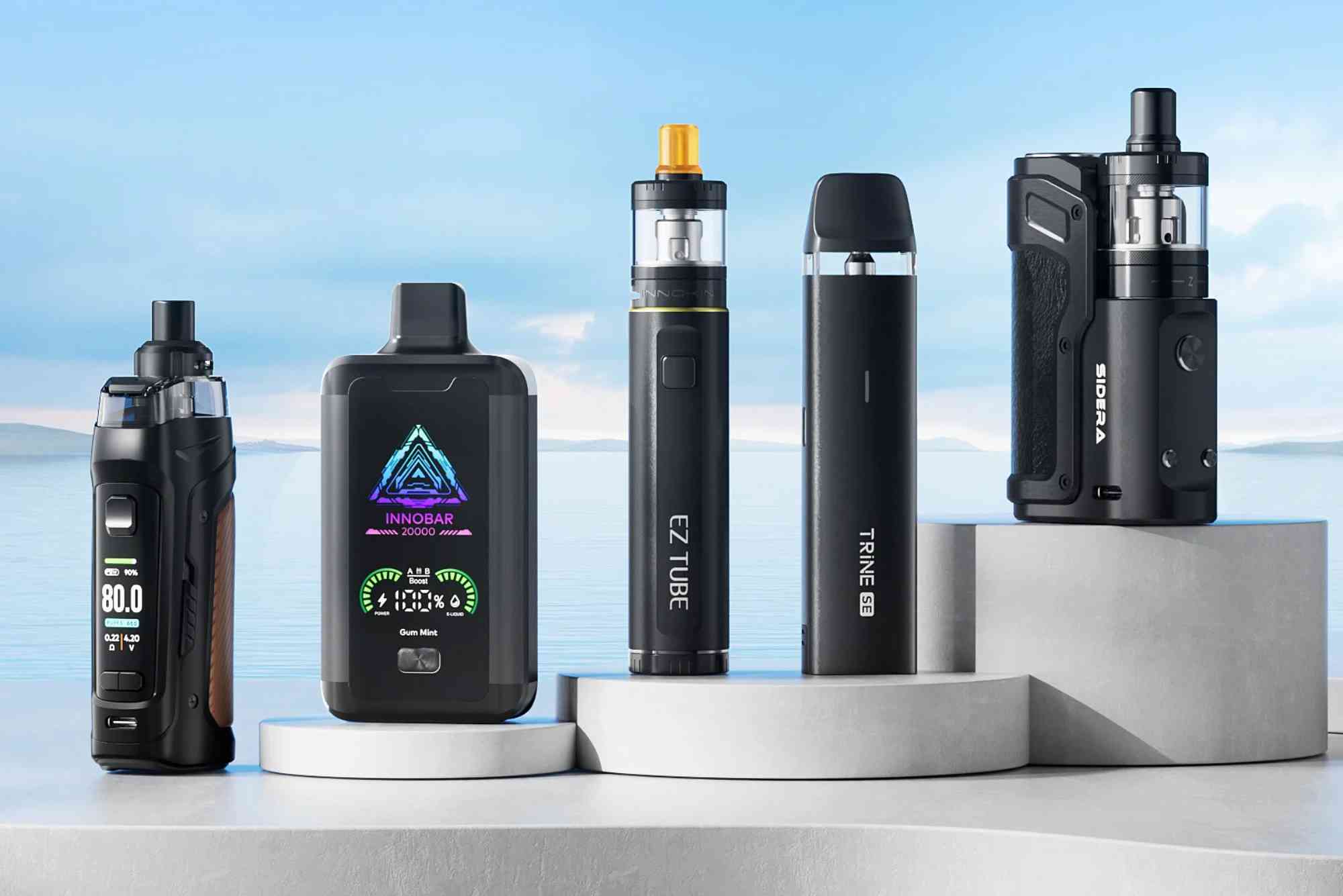
Traveling with Your Vape: What You Need to Know
Traveling with vape devices in 2025 requires more than just tossing them into your backpack. Whether you’re heading overseas or flying domestically, strict airline and international regulations make it essential to know what’s allowed and what’s not. If you’re a vaper planning a trip, understanding the rules of traveling with vape gear can save you from confiscation, fines, or worse—missing your flight. This guide walks you through everything you need to know about traveling with vape safely and legally.
Understanding the Rules for Air Travel
Airports and airlines have clear policies when it comes to vape devices, e-liquids, and batteries. You must always carry vape devices in your hand luggage—not checked baggage. This rule exists because lithium-ion batteries, which power most vape mods and pens, are considered a fire hazard if stored in cargo.
Another major regulation involves e-liquid. The TSA (Transportation Security Administration) and equivalent international agencies allow only limited quantities of liquid in carry-ons. Typically, you’re allowed to carry up to 100ml (about 3.4 ounces) of liquid per container, and all liquids must fit into a clear, quart-sized bag. This includes your e-juice bottles, so plan accordingly. Additionally, you cannot vape or charge your device while on board. Doing so could result in fines or legal consequences depending on the airline and country’s laws.
Packing Your Vape Gear the Right Way
Packing for a trip when you’re a vaper involves more planning than the average traveler. Since vaping gear consists of multiple parts—device, tank, coils, batteries, and e-liquid—you’ll need a thoughtful system to avoid issues during security screening.
When preparing your carry-on, keep your device empty to prevent leaking due to cabin pressure changes. Disassemble the tank if possible and store it in a leak-proof bag. Always remove batteries from the device and place them in a battery case. This isn’t just for organization—it’s for safety. Loose batteries can cause a short circuit if they come into contact with metal objects like keys or coins.
If you’re bringing spare coils or pods, keep them sealed in original packaging or a small container. For e-liquids, label everything clearly and ensure the caps are tight. If you’re taking multiple flavors, consider travel-sized bottles to stay within TSA guidelines.

International Vape Laws: What to Know Before You Go
One of the most critical aspects of traveling with vape is knowing the destination country’s laws. Vaping is legal in many countries, but others ban the use, possession, or import of vape products altogether. Countries like Thailand, Singapore, and India have extremely strict laws, with penalties ranging from heavy fines to imprisonment. Even if you don’t intend to vape there, simply bringing your device into the country could land you in trouble. Always check the local laws of your destination as well as any countries you’ll be transiting through.
In contrast, many European countries and parts of North America are vape-friendly but still have public vaping restrictions. For example, you may not be allowed to vape in restaurants, public transportation, or hotels. If you’re uncertain about the laws in a specific country, consult the official customs or tourism website. This step is crucial to avoid the hassle of having your device confiscated or being fined at customs.
Tips for Vaping on the Road
Once you’ve arrived at your destination, your vaping habits may need adjusting. First, always be respectful of local customs and social norms. Even if vaping is legal, it may not be culturally accepted in some areas.
Next, avoid vaping indoors unless it’s explicitly allowed. Many hotels have non-smoking policies that include vaping. Violating these rules can result in extra charges or even eviction from your accommodation.
While sightseeing, carry a compact device that doesn’t draw too much attention. Pod systems or disposable vapes (where legal) are great for travel because they are discreet and lightweight. Just make sure you’re not breaking any local regulations by using disposable options. Also, keep in mind the weather. Extreme heat or cold can affect battery performance and cause tanks to leak. Store your device in a temperature-stable area, ideally inside a protective pouch or case.
Traveling with Vape Juice: How Much is Too Much?
One of the most common questions from vape users is how much e-liquid they can bring. For air travel, carry-on rules usually limit you to 100ml per bottle, but there’s no limit on how many bottles you can have—provided they fit in a quart-sized zip-lock bag.
For checked luggage, there’s more flexibility with liquids. You can pack larger quantities of vape juice, but it’s crucial to double-bag them and place them in a leak-proof container to avoid ruining clothes or electronics. Also, label everything clearly to avoid confusion during customs inspections. Keep in mind that customs officers may still question large quantities, especially in countries where vaping is new or tightly regulated. Carrying a modest supply is always safer than bringing your entire e-liquid collection.
Charging and Battery Safety While Traveling
Batteries are often overlooked during trip preparation, but they’re one of the most important considerations when traveling with vape devices. Always store batteries in approved plastic or silicone cases. Never carry loose batteries in your pocket or backpack without protection. Only use the charger provided with your device, or one that’s recommended by the manufacturer. Avoid charging your vape overnight or in unattended hotel rooms, especially if you’re using a non-certified USB port.
In airports, charging stations are not always reliable or safe for sensitive electronics like vape mods. If possible, bring a fully charged power bank that supports the correct voltage for your device. Some travelers even carry USB-charged pod systems to avoid the battery management hassle altogether.
Avoiding Confiscation and Fines
To avoid having your vape confiscated at security checkpoints or customs, transparency and preparation are key. When going through airport security, place your vape gear in a separate tray, just like you would with a laptop or liquids. This helps speed up the process and shows that you’re not trying to hide anything.
Keep all gear accessible in your carry-on and avoid packing devices or batteries in checked luggage. If a customs officer inspects your bag, be cooperative and explain your gear if asked. Having original packaging and clearly labeled e-liquid can help smooth the process. Never try to vape in unauthorized areas, like terminals, bathrooms, or on planes. Surveillance is tight, and even a single puff could lead to disciplinary action or legal consequences.
Traveling with Vape in Rental Cars and Hotels
Rental car companies may have policies against smoking or vaping in vehicles. Breaking these rules could result in hefty cleaning fees or penalties. Always ask before vaping in a rental car, or step outside to vape safely.
In hotels, always verify the property’s stance on vaping. Some may offer smoking rooms where vaping is allowed, while others prohibit it entirely. Using a window fan or air purifier may help, but if the policy is strict, it’s better to vape outdoors. Bringing a small travel air freshener can also be helpful. Even if your vape doesn’t produce a strong smell, some flavors linger longer than expected and could raise suspicion in strictly non-smoking environments.
What to Do if Your Vape is Confiscated
Despite taking precautions, there may be instances where customs or security officers decide to confiscate your vape gear. This can be frustrating, but it’s important to stay calm and cooperative.
If it happens at an airport, ask for clarification about the reason and whether the gear can be returned to you upon departure. In some cases, you may be allowed to store the device in an airport locker or mail it back home. If you’re fined or detained, contact your embassy immediately if you’re abroad. Do not attempt to argue with customs officials or conceal your vaping gear—it only increases the risk of legal trouble.
Be a Responsible Vape Traveler
Traveling with vape in 2025 is entirely possible with the right knowledge and preparation. By staying updated on current regulations, packing properly, and being respectful of local laws and customs, you can enjoy your vape while exploring the world.
Remember, being a responsible vaper while traveling not only protects your gear but also reflects well on the global vaping community. So pack smart, travel safe, and vape with care. Planning your next trip? Make sure your vape travel checklist is complete—don’t leave your vape essentials behind!
FAQs
Can I bring a vape on a plane in 2025?
Yes, you can bring a vape on most planes in your carry-on bag, not in checked luggage. Remove the batteries and do not use it during the flight.
Can I bring vape juice in my carry-on?
Yes, but each bottle must be 100ml or less and placed in a clear quart-sized bag with other liquids. You can bring larger bottles in checked luggage.
Is vaping allowed in airports?
Most airports prohibit vaping inside terminals. However, some have designated smoking or vaping areas. Always check signage or ask staff.
Which countries ban vaping completely?
Countries like Thailand, India, Singapore, and Brazil have full or partial bans on vaping. Always research your destination’s laws beforehand.
Do I need to declare my vape at customs?
Not usually, unless you’re carrying large quantities of vape products. Still, some countries may ask for a declaration if they have strict import laws.
Can I bring disposable vapes while traveling?
Yes, but make sure they are legal in your destination country. Carry them in your hand luggage and don’t exceed airline limits on batteries.