
Introduction
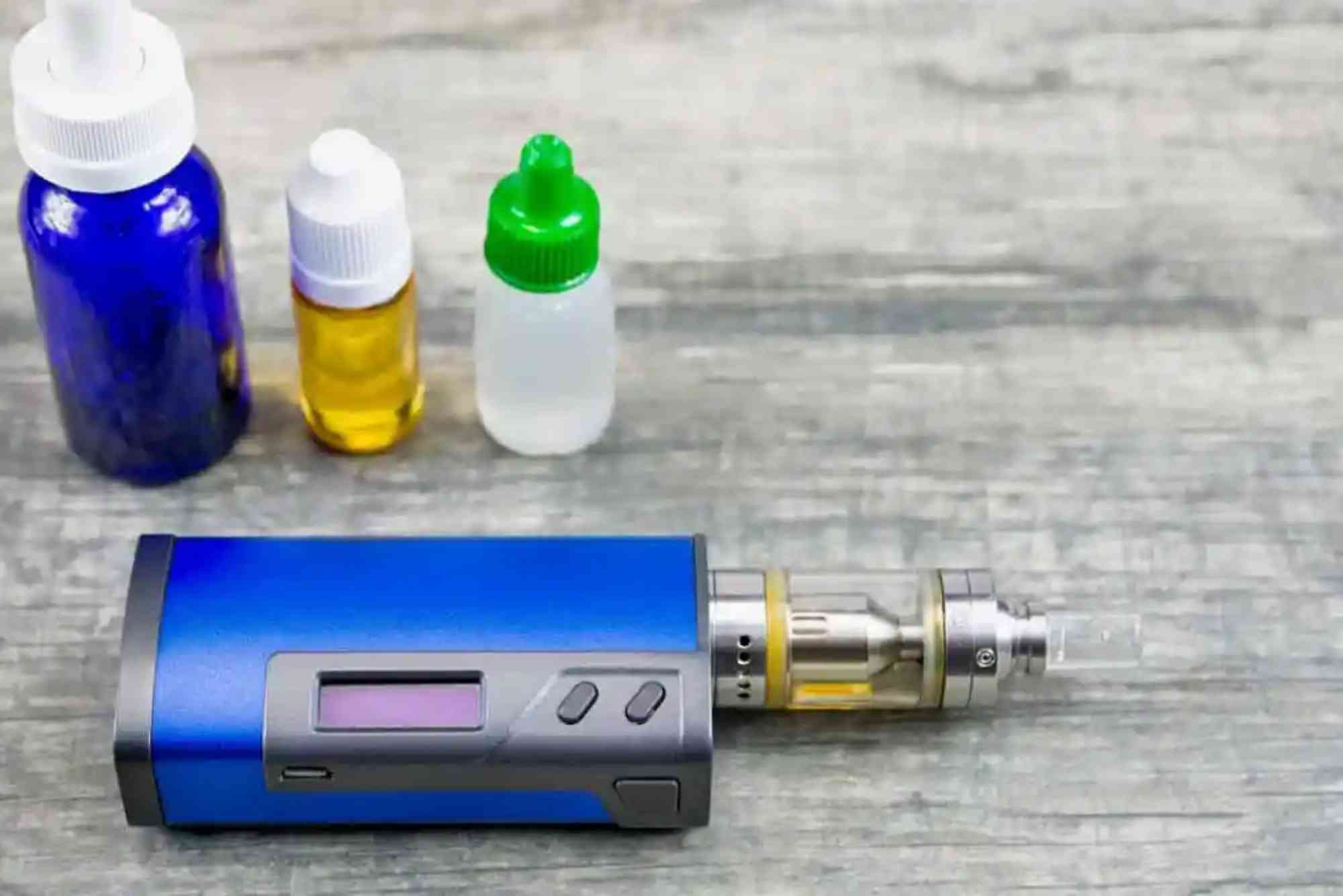
The vaping industry in the UK has grown rapidly over the past decade. With more people turning to e-cigarettes as an alternative to smoking, the laws around vape devices, especially the atomiser, have become increasingly important. At the same time, safety remains a major concern, particularly when it comes to battery care and charging habits. Understanding UK vape laws atomiser regulations alongside best practices for safe charging is essential for both new and experienced users.
In this article, we will explore what the UK legislation says about vape devices, the role of the atomiser in these laws, and why proper charging habits can make vaping both safer and more enjoyable.
UK Vape Laws: A Comprehensive Overview
The UK regulates vaping products under the Tobacco and Related Products Regulations (TRPR). These laws cover everything from nicotine strength to packaging and advertising. The atomiser, being a key component of a vape, falls under these rules.
Atomisers are responsible for heating the e-liquid and producing vapour. Because they are an essential part of the device, they must comply with strict safety and quality requirements. For example, tanks and atomisers in the UK cannot exceed a 2ml capacity when sold as part of a kit. This rule ensures users consume controlled quantities of e-liquid, aligning with harm reduction policies.
Another important aspect of UK vape laws is product testing. Atomisers and other vape components must undergo rigorous testing before they can be sold. Manufacturers need to submit detailed product notifications to the Medicines and Healthcare products Regulatory Agency (MHRA). This process ensures that the device, including the atomiser, is safe, reliable, and free from harmful design flaws.
These regulations benefit users by promoting transparency and trust in vaping products. Instead of worrying about unsafe components, vapers can feel confident that what they are buying has been carefully checked.

Why Atomisers Matter in Vape Regulations
The atomiser might seem like a small piece of the device, but it plays a vital role in safety and performance. In regulatory terms, the atomiser is tied directly to user protection. Poorly designed atomisers can overheat, leak, or cause electrical issues. That is why UK vape laws place such importance on design standards and capacity limits.
By ensuring atomisers meet strict criteria, regulators aim to reduce risks associated with misuse or low-quality manufacturing. For example, leak-proof mechanisms are part of the design expectations. This prevents accidental spills, which could expose users to concentrated nicotine or damage electronic components.
Furthermore, the capacity restriction prevents excessive inhalation of nicotine in a short time. While this may frustrate some advanced vapers, it reflects a public health approach focused on safety rather than convenience.
Safe Charging Habits for Vape Users
Vape batteries power the atomiser, making safe charging habits just as important as following regulations. Many reported vaping accidents stem from battery misuse or charging errors, rather than the atomiser itself. Understanding how to charge a vape safely can prevent overheating, explosions, or permanent damage to the device.
Always use the charger provided by the manufacturer. Generic chargers may deliver the wrong voltage or current, stressing the battery and increasing the risk of failure. When a battery overheats, it can cause serious hazards, including fire.
It is also essential not to leave a vape charging unattended. While modern batteries have built-in safety features, prolonged overcharging can still reduce their lifespan. Charging overnight, though convenient, is not recommended because it increases the chances of overheating.
Another critical practice is charging on a hard, non-flammable surface. Placing your device on a bed or couch while charging can trap heat and create a fire hazard. The surface should allow for ventilation, keeping the battery cool throughout the process.
Vapers should also avoid using damaged batteries. If a cell appears swollen, leaking, or dented, it should be replaced immediately. Continuing to use a compromised battery can lead to catastrophic failure.
The Connection Between Atomisers and Safe Charging
While atomisers themselves are not directly responsible for charging, their performance relies on the battery’s health. A poorly maintained battery may not supply consistent power, which can affect the atomiser’s ability to vaporise e-liquid effectively. This inconsistency can result in weak vapour production or burnt hits, both of which affect the user experience.
Furthermore, when batteries are misused, the atomiser can draw unstable currents, increasing stress on the coil and causing overheating. In some cases, this could damage the tank or lead to e-liquid leakage. For this reason, safe charging is not just about protecting the battery but also about maintaining the atomiser’s integrity.
Common Misconceptions About UK Vape Laws
Many vapers misunderstand the laws regarding atomisers. A common misconception is that users are not allowed to purchase atomisers larger than 2ml capacity. In reality, the restriction applies only to kits sold as complete products in the UK market. Advanced users can often buy larger tanks separately, provided they are imported for personal use. However, shops cannot legally sell them domestically.
Another misconception is that regulations are overly restrictive and aim to discourage vaping altogether. The opposite is true. The UK remains one of the most vape-friendly countries in the world, recognising vaping as a harm reduction tool. By enforcing rules around atomisers and other components, the government aims to protect consumers while still encouraging smokers to switch.
Practical Tips for Vapers
For vapers in the UK, compliance with the law means buying devices from reputable shops and avoiding grey-market imports. Checking whether the atomiser and tank comply with TRPR regulations is key to ensuring safety and legality.
On the charging side, users should adopt habits that extend battery life and enhance vaping performance. This includes unplugging the charger once full, avoiding exposure to extreme temperatures, and storing spare batteries in protective cases. Simple steps like these reduce risks while ensuring that both the battery and atomiser continue to perform as intended.
Frequently Asked Questions
Are 2ml tanks mandatory in the UK?
Yes, UK vape laws restrict tank capacity to 2ml when sold in standard kits. Larger tanks are not available in regular UK shops.
Can I bring bigger atomisers from abroad?
Yes, but only for personal use. Retailers in the UK cannot sell them due to TRPR restrictions.
Why is charging safety so important for vapers?
Batteries power the atomiser, and improper charging can lead to overheating, fire, or device failure.
Can I use a phone charger for my vape?
It is not recommended. Phone chargers may deliver unsuitable voltage, risking battery damage or reduced lifespan.
What happens if my atomiser leaks?
Leaking can result from poor coil installation, overfilling, or damage. UK regulations ensure atomisers are leak-resistant, but user maintenance also matters.
Understanding UK vape laws atomiser requirements and safe charging practices empowers vapers to enjoy their devices responsibly. The laws ensure atomisers are safe, effective, and consistent, while charging habits protect both the battery and the overall vaping experience.


