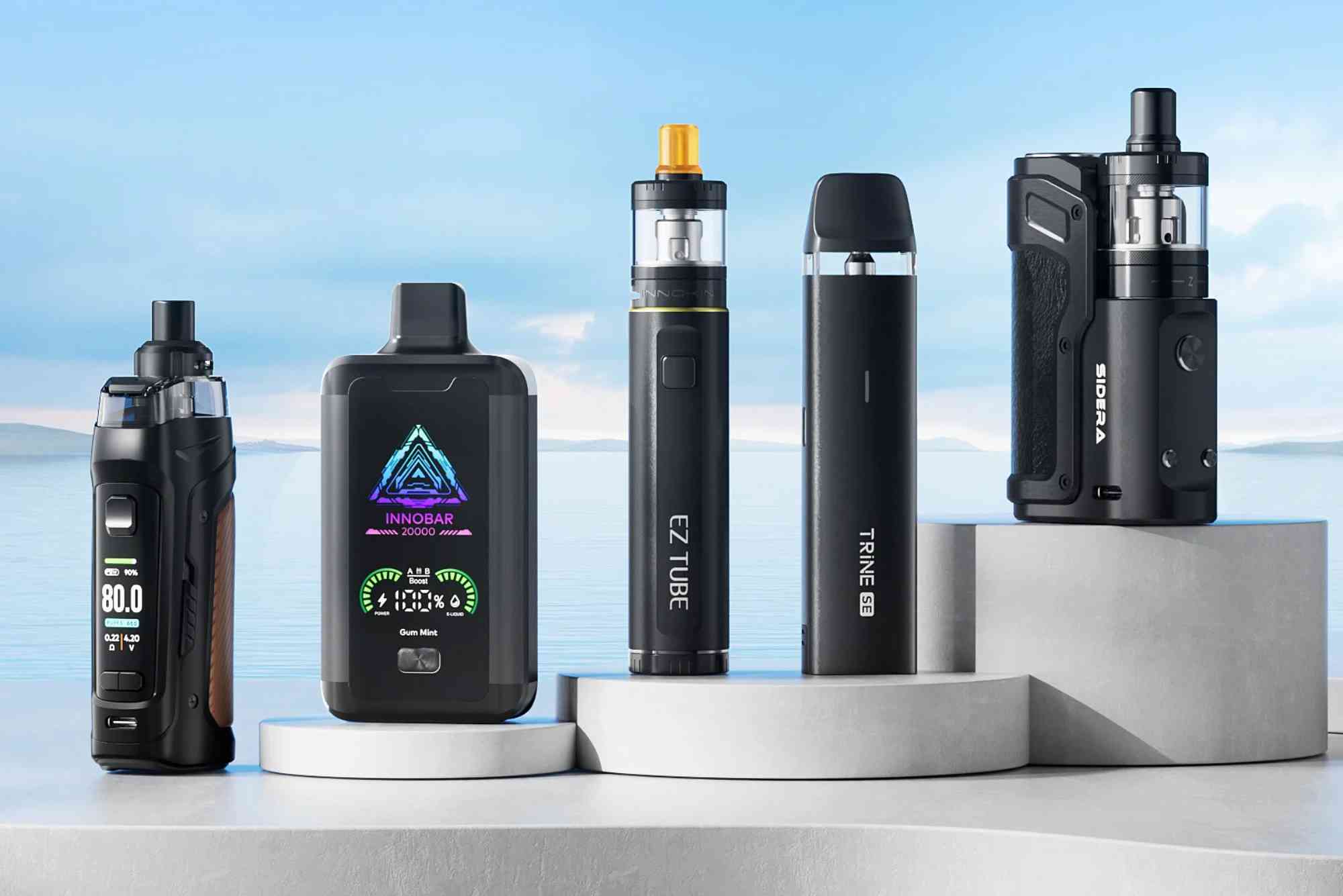
Vape Battery Safety for Beginners
Vaping is an enjoyable alternative for many, but behind every smooth puff is the power of a battery. Vape battery safety is one of the most important aspects of vaping that beginners often overlook. Without proper knowledge, using or charging a vape battery incorrectly can lead to performance issues, damage to your device, or even safety hazards. Whether you’re using a small pod system or a high-powered box mod, understanding how to handle batteries is essential for both your safety and the longevity of your device.
Why Vape Battery Safety Matters
Batteries are the heart of every vape device. They store and deliver power to heat your coil and produce vapor. But unlike ordinary AA batteries, vape batteries—often lithium-ion—store a lot of energy in a small size. Mishandling them can cause overheating, short circuits, or in rare cases, explosions. Proper care ensures not only your safety but also optimal performance from your device. New vapers should take the time to learn safe practices from the start.
Understanding Vape Batteries
Vape devices typically use lithium-ion batteries, either built-in or removable. Built-in batteries are charged through a USB port, while removable ones, such as 18650, 20700, or 21700 cells, require external charging. These batteries are popular for their high power output and rechargeability, but they demand careful handling.
Battery specifications like capacity (mAh), continuous discharge rating (CDR), and voltage are important. The capacity determines how long your device will run on a single charge, while the CDR tells you how much current the battery can safely deliver. Choosing a battery with the right rating for your device prevents overheating and improves safety.
Choosing the Right Battery
Not all batteries are created equal. Beginners should avoid buying unbranded or rewrapped batteries from unreliable sources. Look for reputable brands such as Sony, Samsung, LG, or Molicel. Counterfeit batteries often have exaggerated specifications and may lack the internal safety features of genuine products.
It’s also important to match the battery type to your vaping style. Sub-ohm vaping, for example, requires a high CDR battery to safely handle the demand. Using a battery with too low a rating for your device can cause it to overheat and fail prematurely.

Charging Your Vape Battery Safely
Charging is one of the most critical points where vape battery safety comes into play. Always use the charger recommended by your device manufacturer or a high-quality external charger from a reputable brand. Avoid using cheap or unbranded chargers, as they may overcharge or fail to stop charging when full.
Never leave your batteries charging unattended, especially overnight. Lithium-ion batteries should not be exposed to excessive heat while charging, and prolonged charging after they reach 100% can degrade their lifespan. If your vape has a built-in battery, ensure the USB cable and adapter you use meet the manufacturer’s specifications. If you use removable batteries, an external charger with independent charging slots and safety features is the best option. It allows you to monitor each battery individually and reduces the risk of imbalanced charging.
Safe Handling of Vape Batteries
Handling vape batteries carefully is key to preventing damage. Never carry loose batteries in your pocket or bag where they could come into contact with keys, coins, or other metal objects. This can cause a short circuit, which generates heat rapidly and may cause burns or fires. Use a battery case or sleeve for storage and transport.
Avoid dropping your batteries, as physical impact can damage the internal structure. If a battery wrap becomes torn or damaged, rewrap it before using it again. Exposed metal can lead to dangerous shorts inside your device.
Recognizing Battery Wear and Damage
Like all rechargeable batteries, vape batteries have a limited lifespan. Over time, they lose capacity and may no longer hold a full charge. Using worn-out batteries not only reduces your vaping time but also increases the risk of failure.
Signs of battery damage include dents, bulges, leaking fluid, or unusual heat during use or charging. If you notice any of these signs, stop using the battery immediately and dispose of it properly at a battery recycling facility.
Avoiding Over-discharge
Over-discharging occurs when a battery’s voltage drops too low. This can happen if you keep vaping until your device shuts off or if the device lacks proper protection circuits. Over-discharging reduces battery capacity and can make recharging unsafe.
To prevent this, recharge your batteries when they reach around 20–30% instead of waiting for them to drain completely. Many modern vape devices have built-in voltage cutoffs, but developing good habits helps prolong battery life.
Storing Vape Batteries Correctly
If you plan to store your batteries for an extended period, make sure they are charged to about 40–60% before storage. Storing them fully charged or completely empty for long periods can shorten their lifespan. Keep them in a cool, dry place away from direct sunlight and heat sources.
Do not store batteries in a car or any environment where temperatures can get extremely high. Heat accelerates chemical degradation and can cause batteries to fail more quickly.
Traveling with Vape Batteries
When traveling, especially by air, follow airline regulations for lithium-ion batteries. Most airlines require you to carry spare batteries in your hand luggage, not in checked baggage. Use battery cases to prevent accidental short circuits and ensure the terminals are covered.
If you’re traveling internationally, check local regulations, as some countries have restrictions on vaping devices and batteries.
Myths About Vape Battery Safety
Many beginners believe that all chargers and batteries are the same, but this is far from true. Cheap, no-name chargers often lack basic safety protections, while counterfeit batteries may not meet advertised specifications.
Another myth is that you can push a battery beyond its rating for better performance. In reality, exceeding a battery’s limits increases heat buildup, shortens its lifespan, and raises the risk of failure. Staying within safe operating limits is always the smarter choice.
Extending Battery Life
Simple habits can significantly extend the life of your vape batteries. Avoid exposing them to extreme temperatures, both hot and cold. Charge them before they completely drain, and don’t leave them plugged in longer than necessary.
Using your device at lower wattage settings can also reduce the strain on the battery and increase the time between charges. This not only benefits your battery’s health but also provides a more consistent vaping experience.
What to Do if a Battery Malfunctions
If you notice a battery getting unusually hot, producing strange smells, or behaving unpredictably, stop using it immediately. Place it in a non-flammable container, away from flammable materials, and let it cool down.
Never attempt to repair a damaged battery yourself. Dispose of it at a proper recycling facility that accepts lithium-ion batteries. Mishandling a malfunctioning battery can be dangerous.
Vape battery safety is not just for experienced vapers—it’s essential for beginners as well. By choosing the right batteries, charging them properly, handling them with care, and recognizing signs of wear, you can enjoy a safer and more satisfying vaping experience. Good battery habits protect not only your device but also your safety and peace of mind. If you’re ready to upgrade your vaping setup, make battery safety your top priority. Treat your batteries with respect, and they’ll reward you with reliable performance every time you vape.
FAQs
How long do vape batteries last?
With proper care, most vape batteries last between 6 months and a year, depending on usage and charging habits.
Can I use any charger for my vape battery?
No. Always use the charger recommended by your device’s manufacturer or a reputable external charger for removable batteries.
Is it safe to charge my vape overnight?
It’s not recommended. Overcharging can reduce battery lifespan and increase safety risks, even with modern protections.
How do I know if my battery is damaged?
Look for dents, bulges, tears in the wrap, leaking, or excessive heat. If you notice any of these signs, stop using the battery.
Why should I avoid over-discharging my battery?
Over-discharging reduces capacity and can make recharging unsafe. Recharge before the battery is completely empty.