Introduction
Vape disposal laws for retailers have become an increasingly important topic as governments strengthen environmental regulations and electronic waste management policies. Disposable vapes, rechargeable vape devices, cartridges, and lithium-ion batteries all present unique disposal challenges that retailers cannot ignore. Businesses that sell vaping products have a responsibility not only to comply with tobacco-related regulations but also to manage waste in a way that protects public health and the environment.
Many retailers mistakenly believe their responsibility ends once a product is sold. In reality, several jurisdictions require businesses to follow specific electronic waste, battery recycling, and hazardous waste regulations. Failure to do so can result in financial penalties, environmental damage, and reputational risks.
This guide explains vape disposal laws for retailers, outlines legal obligations, discusses environmental concerns, and highlights practical compliance strategies that help businesses operate responsibly while maintaining customer trust.
Understanding Vape Disposal Laws for Retailers
Vape disposal laws for retailers generally focus on the safe handling of electronic waste rather than vaping itself. Most vape products contain components that cannot be thrown into regular household trash.
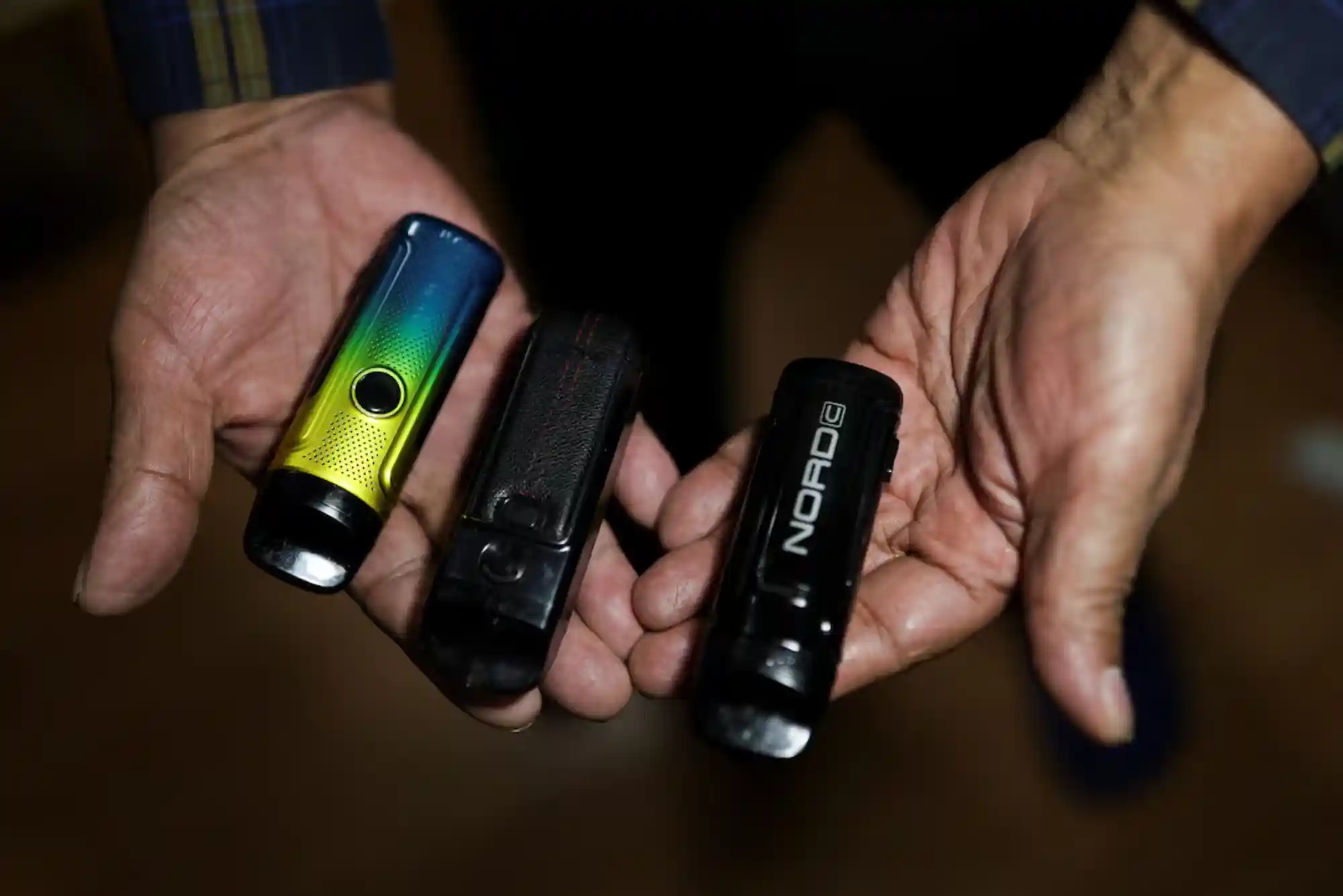
Disposable vapes often include lithium-ion batteries, electronic circuits, plastic housings, and residual nicotine. These materials require specialized disposal methods because they may become hazardous if damaged or improperly discarded.
Retailers should understand that regulations often combine several legal frameworks, including electronic waste legislation, battery recycling laws, hazardous waste rules, and tobacco product regulations.

While requirements differ between countries and regions, the overall objective remains the same: reduce environmental harm and encourage responsible recycling.
Why Vape Waste Requires Special Handling
Unlike ordinary consumer products, vape devices combine multiple materials that require separate treatment.
Lithium-Ion Batteries
Lithium batteries pose fire risks when crushed, punctured, or exposed to excessive heat. Improper disposal in municipal waste facilities has caused numerous landfill and recycling center fires worldwide.
Retailers should ensure damaged or returned batteries are stored safely until collected by authorized recycling providers.
Electronic Components
Circuit boards contain metals that can often be recovered and reused through electronic recycling programs.
Sending these materials to landfill contributes to unnecessary electronic waste.
Residual Nicotine
Some used vape devices still contain nicotine residue.
Although quantities may be small, improper disposal can create environmental contamination concerns and may be regulated differently depending on local hazardous waste laws.
Legal Responsibilities for Vape Retailers
Retail responsibilities extend beyond simply selling compliant products.
Businesses may have obligations related to product returns, damaged inventory, customer recycling information, and waste storage.
Retailers should remain familiar with local environmental regulations while also following applicable tobacco product requirements.
For broader information about product oversight, retailers can review the FDA e-cigarette regulation overview, which explains regulatory expectations for electronic nicotine delivery systems.
Understanding product regulations alongside disposal requirements helps businesses maintain comprehensive compliance programs.
Electronic Waste Regulations and Vape Products
Electronic waste regulations classify products containing electrical components separately from standard household waste.
Many vape devices fall within electronic waste categories because they include:
Rechargeable Electronics
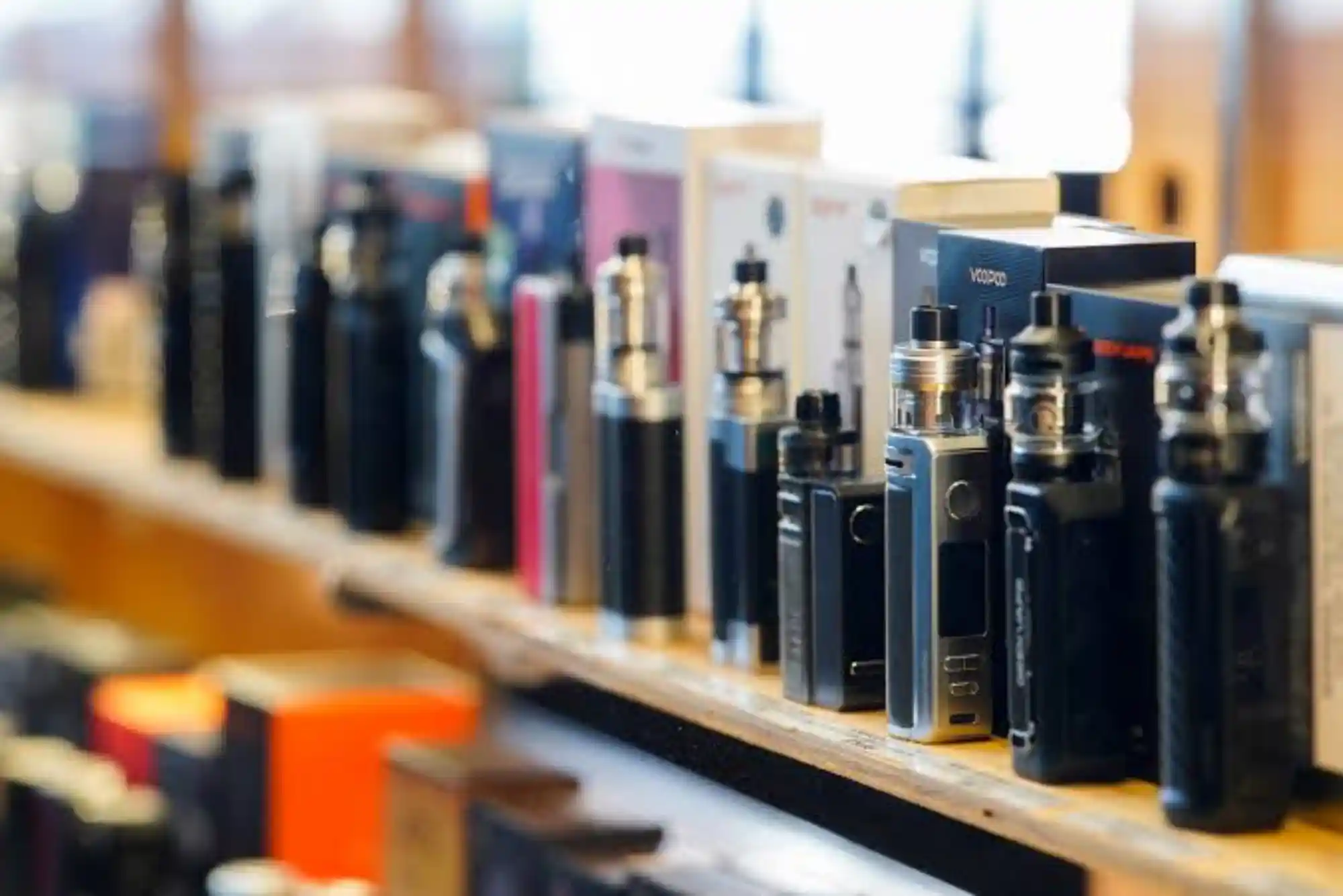
Rechargeable vape devices almost always qualify as electronic equipment due to their integrated batteries and circuitry.
These products should enter approved electronic recycling systems rather than landfill disposal.
Disposable Vapes
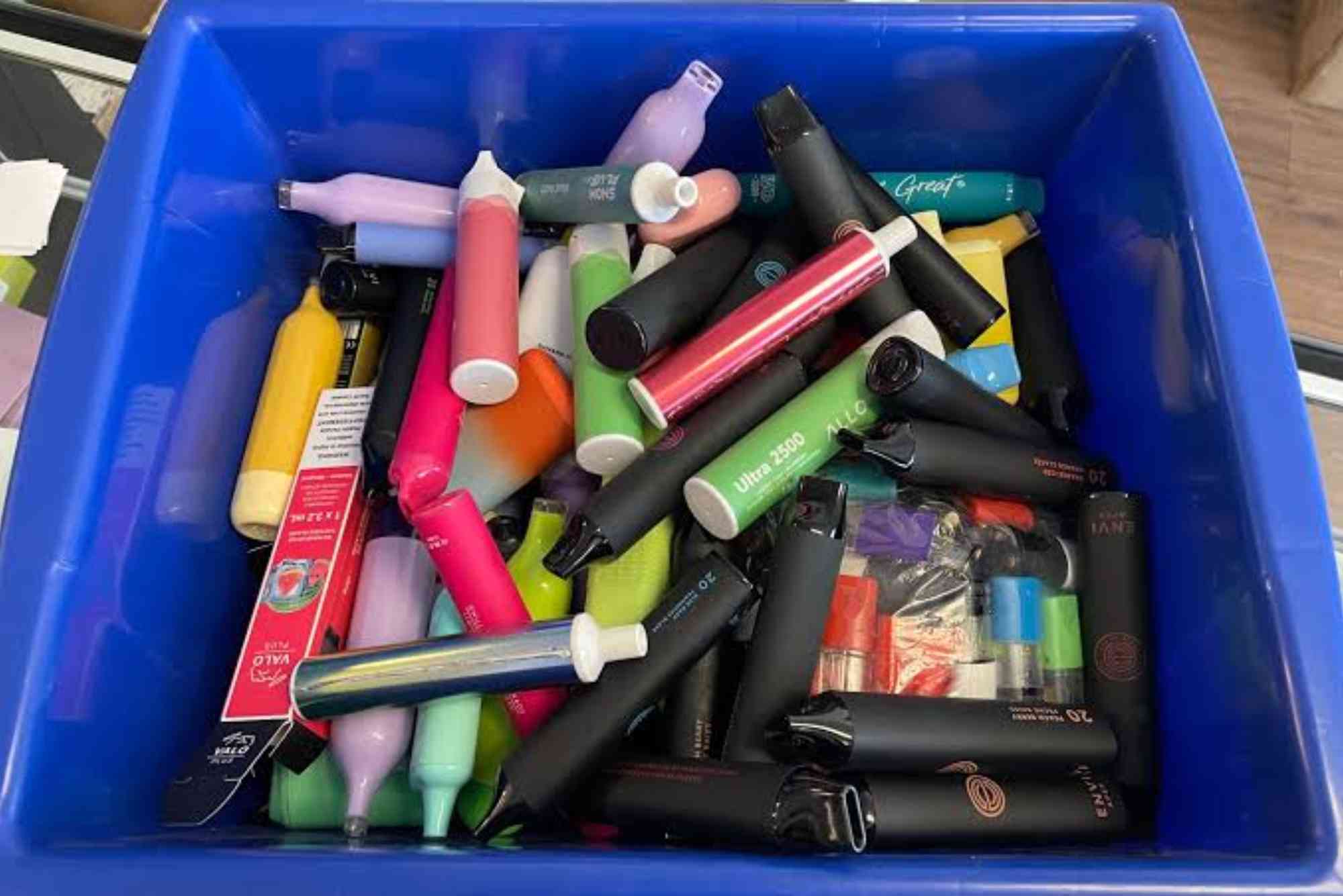
Although marketed as disposable, many disposable vape products still contain rechargeable lithium batteries.
This creates significant environmental challenges because consumers frequently dispose of them incorrectly.
Retailers can help improve recycling outcomes through customer education.
Storage Before Disposal
Businesses should avoid mixing damaged vape devices with ordinary waste.
Instead, products awaiting collection should remain in suitable containers that reduce fire and contamination risks.
Battery Recycling Requirements
Battery legislation has become stricter in many countries due to increasing lithium battery waste.
Retailers may need to participate in battery collection or work with licensed recycling companies depending on local laws.
Proper battery recycling helps recover valuable materials including:
-
Lithium
-
Nickel
-
Cobalt
-
Copper
Recovering these resources reduces mining demand while supporting more sustainable manufacturing.
Returned Vape Products
Retailers often receive products through:
Customer returns
Warranty claims
Damaged shipments
Expired inventory
Each category may require different handling procedures.
Returned products should be inspected carefully before determining whether they qualify for resale, manufacturer return, or approved recycling.
Products with battery damage should never be stored carelessly due to fire hazards.
Environmental Impact of Improper Vape Disposal
Improper disposal creates several environmental problems.
Plastic components contribute to long-term landfill waste.
Lithium batteries increase fire risks.
Electronic components release valuable recyclable materials into landfills instead of recovery systems.
Nicotine residues may contaminate soil and water under certain conditions.
Retailers who encourage responsible recycling contribute to improved environmental outcomes while demonstrating corporate responsibility.
Creating an Effective Vape Recycling Policy
A clear internal policy helps employees understand their responsibilities.
Staff should receive training on identifying damaged devices, handling returned products safely, and preparing waste for licensed recycling providers.
Customer-facing recycling information also encourages responsible disposal after purchase.
Retailers that communicate disposal guidance clearly often experience stronger customer trust because environmental responsibility has become increasingly important to consumers.
Working With Licensed Recycling Providers
Professional recycling companies understand how to process electronic nicotine products safely.
Licensed providers typically separate:
Batteries
Plastic components
Metal parts
Electronic circuit boards
Recovered materials often re-enter manufacturing supply chains, reducing waste while supporting circular economy initiatives.
Retailers should maintain documentation showing that waste has been transferred through approved channels whenever required by local regulations.
Employee Training Matters
Compliance depends heavily on employee awareness.
Staff should know how to:
Recognize damaged batteries
Handle leaking products safely
Separate electronic waste
Store returned products correctly
Explain recycling options to customers
Routine staff training minimizes mistakes that could create legal or environmental problems.
Recordkeeping and Documentation
Many environmental regulations require businesses to maintain records related to waste management.
Documentation may include:
Recycling collection dates
Licensed contractor details
Waste transfer documentation
Employee training records
Internal disposal procedures
Accurate documentation demonstrates compliance during inspections and simplifies internal audits.
Customer Education Supports Compliance
Retailers play an important role in educating customers about responsible disposal.
Simple reminders at checkout, informational signage, and website guidance can significantly improve recycling participation.
Consumers often assume disposable vapes belong in household trash.
Providing clear disposal information helps reduce improper waste disposal while strengthening environmental awareness.
Common Mistakes Retailers Should Avoid
Many compliance issues result from simple misunderstandings.
Businesses sometimes throw damaged devices into general waste, ignore battery handling procedures, or fail to educate employees about disposal responsibilities.
Another frequent mistake involves storing returned products in unsuitable locations where damaged batteries increase fire risks.
Retailers should regularly review disposal procedures as environmental regulations continue evolving.
Future Trends in Vape Disposal Laws
Environmental legislation continues becoming more comprehensive.
Governments are increasingly examining:
Producer responsibility programs
Battery collection targets
Electronic waste recycling requirements
Sustainable product design
Retail collection schemes
Manufacturers and retailers may face expanded responsibilities as countries strengthen circular economy policies.
Preparing early helps businesses adapt more efficiently when regulations change.
Best Practices for Long-Term Compliance
The most successful retailers treat vape disposal laws for retailers as part of a broader environmental compliance strategy rather than an isolated legal requirement.
Regular policy reviews, employee education, licensed recycling partnerships, and customer awareness initiatives all contribute to stronger compliance.
Businesses that prioritize responsible waste management not only reduce legal risks but also strengthen their reputation among environmentally conscious customers.
Vape Product Storage and Legal Requirements: Proper vape product storage helps maintain quality, safety, and performance by keeping devices and e-liquids away from heat, sunlight, and moisture. Following local legal requirements, including age restrictions, labeling rules, and approved sales regulations, ensures responsible ownership and compliance with applicable laws.
FAQs
What are vape disposal laws for retailers?
Vape disposal laws for retailers are regulations governing the safe handling, storage, recycling, and disposal of vape devices, batteries, and electronic waste to reduce environmental harm and improve public safety.
Can retailers throw disposable vapes into regular trash?
Generally, no. Most disposable vapes contain lithium-ion batteries and electronic components that should be recycled through approved electronic waste or battery recycling programs.
Why are lithium batteries regulated?
Lithium batteries can catch fire if damaged or improperly discarded. Specialized recycling helps recover valuable materials while reducing landfill and fire risks.
Do retailers need to recycle returned vape devices?
Requirements vary by jurisdiction, but many retailers should work with licensed recycling providers when handling damaged, defective, or unsellable vape products.
How can retailers stay compliant with vape disposal laws?
Retailers should monitor local regulations, train employees, document waste management practices, partner with licensed recycling companies, and educate customers about proper vape disposal.
Vapexplore is your trusted source for premium vaping products, expert guides, and the latest industry updates. Whether you’re new to vaping or an experienced enthusiast, vapexplore offers valuable information, quality devices, and helpful tips to enhance your vaping experience while helping you make informed choices with confidence.
Related Reading: Vape Retailer Inspection Procedures by State
Related Reading: Vape E-Liquid Bottling Laws and Child Safety
Related Reading: Vape Consumer Refund Laws and Disputes
Related Reading: Vape Marketing Restrictions by Federal Law
Related Reading: Vape Retail License Requirements Explained