Introduction
The vaping industry is facing increasing regulatory scrutiny, and packaging has become an important part of product compliance. Governments are introducing stricter requirements to protect consumers, prevent underage access, and ensure manufacturers provide accurate product information. For businesses operating in the United States, understanding vape packaging law changes is essential for avoiding penalties and maintaining market access.
Vape packaging is no longer simply about attractive designs or recognizable branding. Manufacturers must consider warning statements, child-resistant closures, product identification, accurate labeling, and restrictions on misleading marketing. Even a small packaging mistake can create regulatory problems, delay product distribution, or result in enforcement action.
The regulatory environment is also changing as federal and state authorities increase their attention to unauthorized vaping products. In 2026, the FDA’s enforcement priorities have made product authorization and accurate import information particularly important considerations for manufacturers and distributors.
This article explores the most important vape packaging law changes every brand should understand, explains existing federal requirements, and discusses practical ways to maintain compliance.
Why Vape Packaging Laws Are Becoming Stricter
Vape packaging regulations are designed to address several public health and consumer protection concerns. These include accidental nicotine exposure, misleading product descriptions, youth-oriented marketing, and the distribution of unauthorized products.
The US Food and Drug Administration (FDA) regulates the manufacture, importation, packaging, labeling, advertising, promotion, sale, and distribution of electronic nicotine delivery systems (ENDS). Its regulatory authority also covers important components, including e-liquids, cartridges, and certain batteries.

As regulatory oversight increases, businesses must ensure that their packaging accurately represents the product and follows applicable requirements.
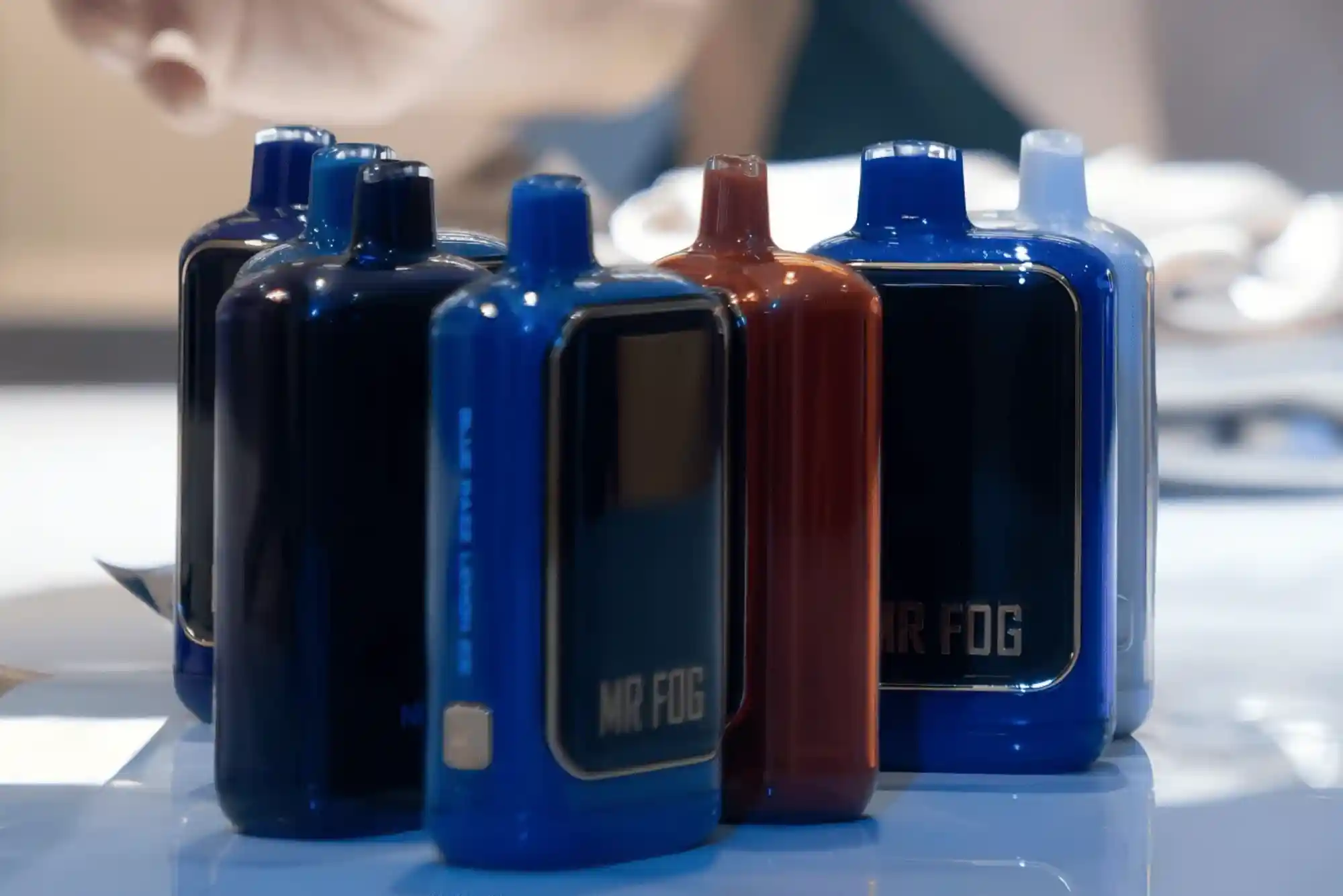
Another important development is the growing attention given to product appearance. Packaging that resembles children’s products, toys, or electronic gaming devices can attract regulatory scrutiny, particularly when associated with unauthorized products.
For brands, this means packaging decisions must be evaluated from both a marketing and regulatory perspective.
Important Vape Packaging Law Changes in 2026
Understanding the latest regulatory developments helps manufacturers avoid relying on outdated packaging practices.
Increased FDA Enforcement Against Unauthorized Products
One of the most important regulatory developments in 2026 is the FDA’s continued enforcement against unauthorized electronic nicotine delivery systems.
On May 8, 2026, the FDA issued final guidance titled Enforcement Priorities for Certain New Tobacco Products Marketed Without Premarket Authorization. It describes the agency’s enforcement priorities concerning certain unauthorized ENDS and nicotine pouch products.
The guidance highlights concerns involving counterfeit products, misleading import descriptions, and products with characteristics that may appeal to underage consumers.
It also identifies certain circumstances in which the agency does not intend to prioritize enforcement against products with accepted and filed applications. However, this guidance does not create a general legal exemption or authorize otherwise unlawful products.
For vape brands, the practical lesson is clear. Packaging should not conceal product identity, origin, or regulatory status. Manufacturers must also ensure that product descriptions and import documentation are accurate.
Packaging compliance cannot replace the FDA’s separate premarket authorization requirements.
Stronger Attention to Child-Resistant Packaging
Child-resistant packaging remains one of the most important requirements for businesses selling liquid nicotine products.
The Child Nicotine Poisoning Prevention Act requires liquid nicotine containers sold, manufactured, distributed, or imported in the United States to comply with applicable special packaging standards under the Poison Prevention Packaging Act.
These requirements have been effective since July 26, 2016. Therefore, they are established federal obligations rather than entirely new 2026 regulations.
Under the applicable standards, packaging must be difficult for young children to open while remaining accessible to adults. It must also maintain its protective functionality throughout the product’s use.
The requirements include restrictions on excessive liquid flow. For covered containers, no more than 2 milliliters of contents may be obtained through a single opening, inversion, and activation under the applicable testing conditions.
Manufacturers should therefore evaluate bottle designs, caps, closures, and dispensing systems before approving packaging for production.
A visually attractive bottle is not sufficient if its closure fails the required safety tests.
More Attention to Accurate Product Labeling
Accurate labeling is another major part of vape packaging compliance.
The FDA requires applicable tobacco products to carry specific health warning statements. For covered tobacco products, including relevant vaping products, the required nicotine warning is:
“WARNING: This product contains nicotine. Nicotine is an addictive chemical.”
Under the applicable federal regulation, the warning must appear prominently on the two principal display panels and occupy at least 30% of each panel.
The warning must also follow requirements concerning font size, contrast, positioning, and visibility. Clear outer wrapping must not prevent consumers from seeing the required statement.
Brands should review the official FDA labeling and warning statement rules before finalizing their packaging artwork.
It is important to understand that labeling requirements depend on the product category. Manufacturers should not assume that one warning template automatically applies to every tobacco or vaping product.
How FDA Labeling Requirements Affect Vape Packaging Designs
Packaging design directly affects regulatory compliance. Even when a brand uses the correct warning statement, poor placement or insufficient visibility can create problems.
Warning Statements Must Remain Visible
The required nicotine warning should not disappear behind decorative elements, product illustrations, or promotional messages.
Manufacturers should reserve sufficient space for mandatory statements during the initial design process. Adding warnings after artwork approval can create unnecessary printing costs and production delays.
Brands should also check how packaging appears after shrink-wrapping, sealing, and transportation. A warning that looks clear on a computer screen may become difficult to read on the finished product.
Typography and Contrast Matter
Warning statements must meet applicable readability standards.
For covered products under the federal nicotine warning regulation, the required text must use at least 12-point font and an appropriate bold sans-serif typeface. It must also have sufficient contrast against its background.
Using extremely small text or placing warnings against complicated graphic patterns can undermine visibility.
A professional packaging design should balance brand identity with regulatory requirements rather than treating mandatory information as an afterthought.
Product Information Must Be Accurate
Brands should ensure that the information printed on their packaging matches the actual product.
Incorrect nicotine information, misleading product descriptions, and inaccurate claims can create compliance concerns.
Manufacturers should establish a review process that checks product information against approved specifications before packaging enters production.
Why Child-Resistant Packaging Is a Business Priority
Child-resistant packaging protects consumers while helping manufacturers meet their legal responsibilities.
Liquid nicotine can create serious poisoning risks if accidentally swallowed or exposed to children. Consequently, regulators place considerable importance on secure containers and reliable closure systems.
Understanding Federal Packaging Standards
The Consumer Product Safety Commission (CPSC) oversees special packaging requirements for liquid nicotine containers under the Child Nicotine Poisoning Prevention Act.
The packaging must meet applicable testing standards under 16 CFR Part 1700. It must be child-resistant while remaining reasonably accessible to adults.
The standards also address package reuse and restricted liquid flow.
Manufacturers should obtain appropriate testing documentation from qualified packaging suppliers. They should also verify that changes in bottle dimensions, materials, closures, or dispensing mechanisms do not compromise compliance.
General Certificates of Compliance
Manufacturers may also need a General Certificate of Compliance (GCC) for products covered by applicable CPSC requirements.
According to CPSC guidance, one certificate can cover different nicotine strengths and flavors when the products use the same packaging and closure.
However, different bottle sizes or closure designs may require separate certification.
Keeping these documents organized makes it easier to demonstrate compliance during inspections and supplier reviews.
Brands can consult the CPSC’s official liquid nicotine packaging guidance for detailed information about testing and certification requirements.
State-Level Vape Packaging Regulations Brands Must Monitor
Federal regulations provide an important foundation, but businesses cannot ignore state and local requirements.
Different states may introduce additional restrictions involving packaging materials, child-resistant containers, product descriptions, retail sales, and warning notices.
For example, New York requires liquid nicotine products to use child-resistant bottles. Massachusetts also has requirements concerning child-resistant liquid nicotine packaging.
Oregon has implemented child-resistant packaging requirements for certain inhalant delivery systems, including relevant liquid containers and products packaged with refillable devices.
These differences make nationwide distribution more complicated.
A package that satisfies federal requirements may still require adjustments before entering a particular state market.
State Laws Can Affect Packaging Specifications
Some states impose additional requirements concerning product labeling, warning information, and the appearance of vaping products.
California, for example, has specific requirements concerning child-resistant packaging for covered products.
Businesses should review the regulations applicable to every state where their products will be manufactured, distributed, or sold.
They should also monitor changes in state legislation rather than assuming that existing packaging remains compliant indefinitely.
Local Requirements Should Not Be Overlooked
Cities and local authorities may introduce additional restrictions affecting tobacco retail operations and product marketing.
These requirements can influence how products are displayed, promoted, or sold.
Manufacturers working with multiple distributors should communicate regulatory updates clearly so that retailers receive products with appropriate packaging.
How Packaging Design Can Create Regulatory Problems
A packaging design can look professional and still create compliance risks.
Brands should pay particular attention to product presentation, promotional language, and visual elements that could be interpreted as appealing to minors.
Avoid Youth-Oriented Packaging
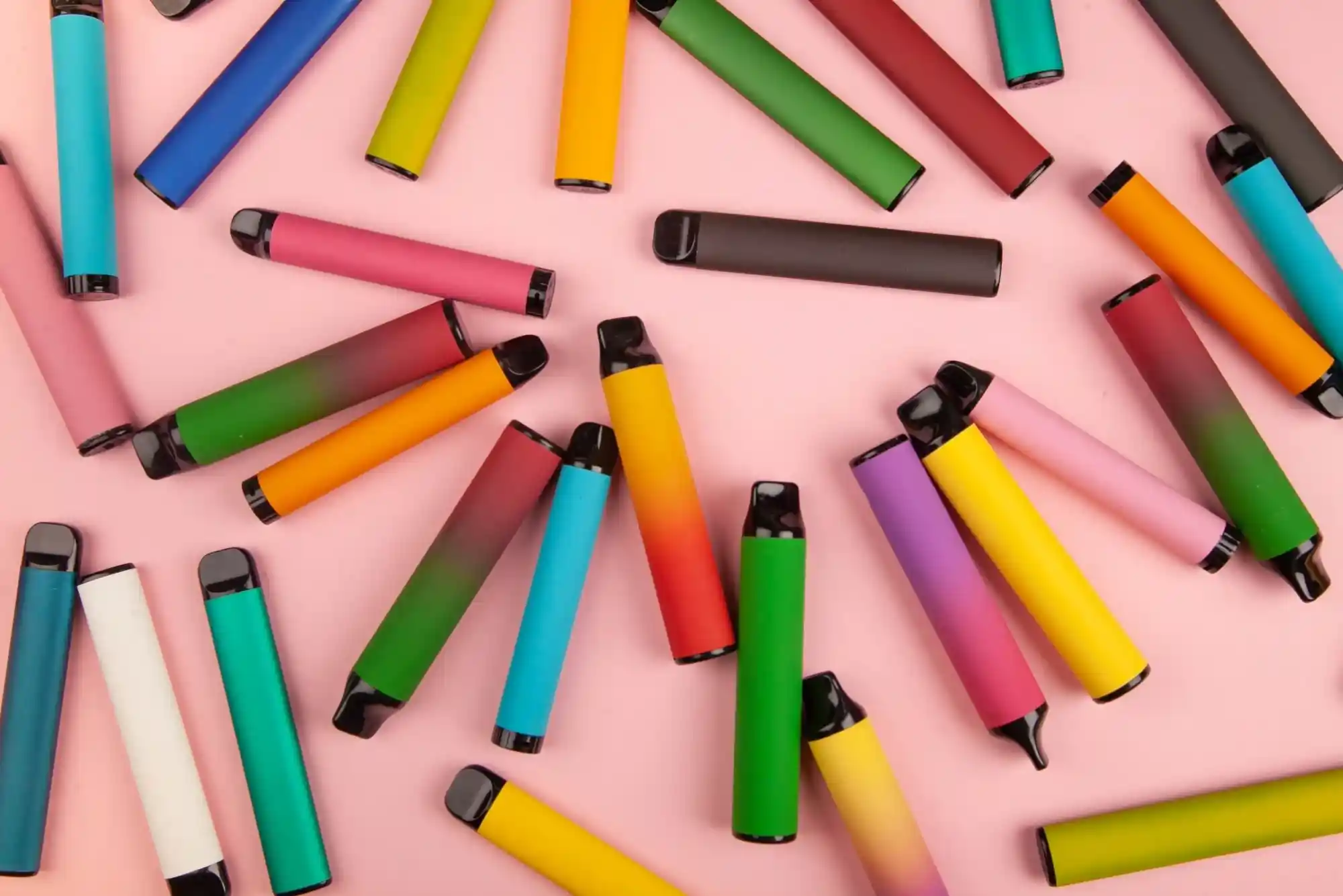
Cartoon characters, toy-like illustrations, candy-inspired presentation, and designs resembling children’s electronic devices can attract regulatory attention.
The FDA’s May 2026 enforcement guidance specifically identifies certain underage-appealing characteristics when discussing enforcement priorities for unauthorized products.
Businesses should avoid using visual elements that disguise the nature of vaping products or make them resemble toys and gaming devices.
Professional branding should focus on clear product identification and responsible presentation.
Avoid Misleading Health and Safety Claims
Packaging should not suggest that a vaping product is harmless, risk-free, or medically approved without an appropriate legal basis.
Manufacturers should carefully review phrases such as health-conscious, safe alternative, or doctor recommended before using them.
Claims suggesting that a product helps people quit smoking may also raise additional regulatory issues because therapeutic claims can bring products under different FDA regulatory frameworks.
Accurate communication protects consumers and reduces the risk of misleading labeling.
The Importance of Supply Chain Transparency
Packaging compliance does not end when the manufacturer approves the final artwork.
Suppliers, importers, distributors, and retailers all play important roles in maintaining product integrity.
Brands should know where packaging materials originate and whether suppliers can provide appropriate safety and testing documentation.
Verify Packaging Suppliers
Working with reliable packaging suppliers helps businesses maintain consistent product quality.
Manufacturers should request documentation covering child-resistant closures, material specifications, and applicable compliance testing.
They should also verify that suppliers notify them before changing important packaging components.
A seemingly minor cap or bottle modification can affect whether an existing certification remains applicable.
Maintain Accurate Import Documentation
International manufacturers exporting products to the United States must pay attention to accurate import descriptions.
The FDA has highlighted misleading and misdeclared product information as part of its efforts to address unauthorized vaping products.
Packaging, invoices, product descriptions, and shipping documents should provide consistent and truthful information.
Clear documentation helps reduce unnecessary delays and supports regulatory accountability.
How Vape Brands Can Prepare for Future Packaging Regulations
The vaping regulatory environment will continue to evolve. Brands should therefore develop a compliance strategy that can accommodate future changes.
Create a Packaging Compliance Review Process
Every new packaging design should undergo regulatory review before mass production.
The review should consider applicable FDA labeling rules, CPSC packaging standards, state-specific requirements, and product authorization status.
Legal and regulatory professionals can help identify potential problems before they become expensive production issues.
Keep Regulatory Records Updated
Manufacturers should maintain organized records of approved artwork, packaging specifications, test reports, supplier certifications, and product information.
These records provide useful evidence when distributors or regulatory authorities request documentation.
Businesses should also establish procedures for updating packaging when applicable requirements change.
Monitor Regulatory Developments
Brands should regularly review official FDA and CPSC announcements.
Following industry developments can help manufacturers identify upcoming compliance concerns and prepare packaging adjustments before deadlines.
For a broader understanding of regulatory developments, businesses can explore the Vape Regulation Roadmap: 2025–2030.
This resource provides additional context about the regulatory direction of the vaping industry and the importance of long-term compliance planning.
Why Regulatory Compliance Matters for Long-Term Brand Success
Vape packaging compliance is not simply a legal responsibility. It also influences business reputation, operational efficiency, and relationships with distributors.
A company that consistently follows applicable regulations is better positioned to manage product documentation and avoid preventable packaging problems.
On the other hand, repeated compliance failures can lead to warning letters, product seizures, distribution interruptions, and financial losses.
Manufacturers should view packaging as part of their broader product quality and regulatory management strategy.
The most successful approach combines professional design, accurate labeling, reliable suppliers, and continuous regulatory monitoring.
Businesses should also recognize that packaging compliance does not automatically make an unauthorized vaping product legal to sell. Product authorization and other applicable requirements must be addressed separately.
Prepare Your Vape Brand for Changing Packaging Laws
Vape packaging law changes are creating new challenges for manufacturers, importers, and distributors. Although many important requirements, including nicotine warnings and child-resistant packaging standards, have existed for years, regulatory enforcement and scrutiny continue to evolve in 2026.
Brands must pay attention to FDA labeling requirements, child-resistant closures, state-specific regulations, accurate product descriptions, and responsible packaging design.
Taking a proactive approach can help businesses reduce compliance risks, avoid unnecessary production delays, and build stronger relationships with distribution partners.
Staying informed is essential for operating in an increasingly regulated industry. Visit vapexplore to explore more vaping industry insights, regulatory developments, and resources that can help businesses understand changing market requirements.
FAQs
What are the FDA packaging requirements for vape products?
The FDA regulates vaping product packaging and labeling under the Federal Food, Drug, and Cosmetic Act. Applicable products must follow relevant warning statement requirements, including the nicotine addiction warning. The agency also regulates product marketing and requires applicable new tobacco products to receive premarket authorization before legal marketing in the United States.
Do vape products need child-resistant packaging?
Liquid nicotine containers sold in the United States must meet federal child-resistant packaging requirements under the Child Nicotine Poisoning Prevention Act. The packaging must satisfy applicable testing standards while remaining accessible to adults. Certain state laws may also impose additional requirements on other vaping products.
What warning must appear on vape packaging?
Applicable covered tobacco products must display the statement: “WARNING: This product contains nicotine. Nicotine is an addictive chemical.” Under the relevant federal regulation, the warning must occupy at least 30% of each principal display panel and meet specified visibility and formatting requirements.
Can vape brands use colorful packaging designs?
Colorful packaging is not automatically prohibited. However, brands must ensure their designs comply with applicable advertising and marketing restrictions. Packaging that resembles children’s toys, uses youth-oriented imagery, or disguises a vaping product can attract regulatory scrutiny, particularly when associated with unauthorized products.
Are vape packaging laws different in every US state?
Yes. Federal regulations establish important nationwide requirements, but individual states can introduce additional packaging, labeling, and retail restrictions. Manufacturers and distributors should review the laws applicable to every state where their products are marketed or sold.
What happens if a vape company violates packaging regulations?
Depending on the violation, a company may face regulatory warning letters, product detention, import restrictions, seizures, distribution interruptions, or other enforcement actions. The consequences depend on the specific law involved and the circumstances of the violation.
Are vape packaging regulations changing in 2026?
Regulatory oversight continues to evolve in 2026, particularly regarding unauthorized products and misleading product presentation. The FDA issued enforcement guidance in May 2026 addressing certain unauthorized ENDS products. Businesses should distinguish new enforcement guidance from existing binding packaging and labeling requirements.
How can vape manufacturers stay compliant with packaging laws?
Manufacturers should review FDA labeling requirements, use compliant child-resistant packaging where required, maintain appropriate testing documentation, monitor state-specific regulations, and verify product authorization. Regular packaging audits and professional regulatory advice can also help prevent costly mistakes.
Editorial note: The article distinguishes existing federal packaging requirements from the FDA’s 2026 enforcement guidance, avoiding the misleading impression that all these requirements are newly introduced in 2026.