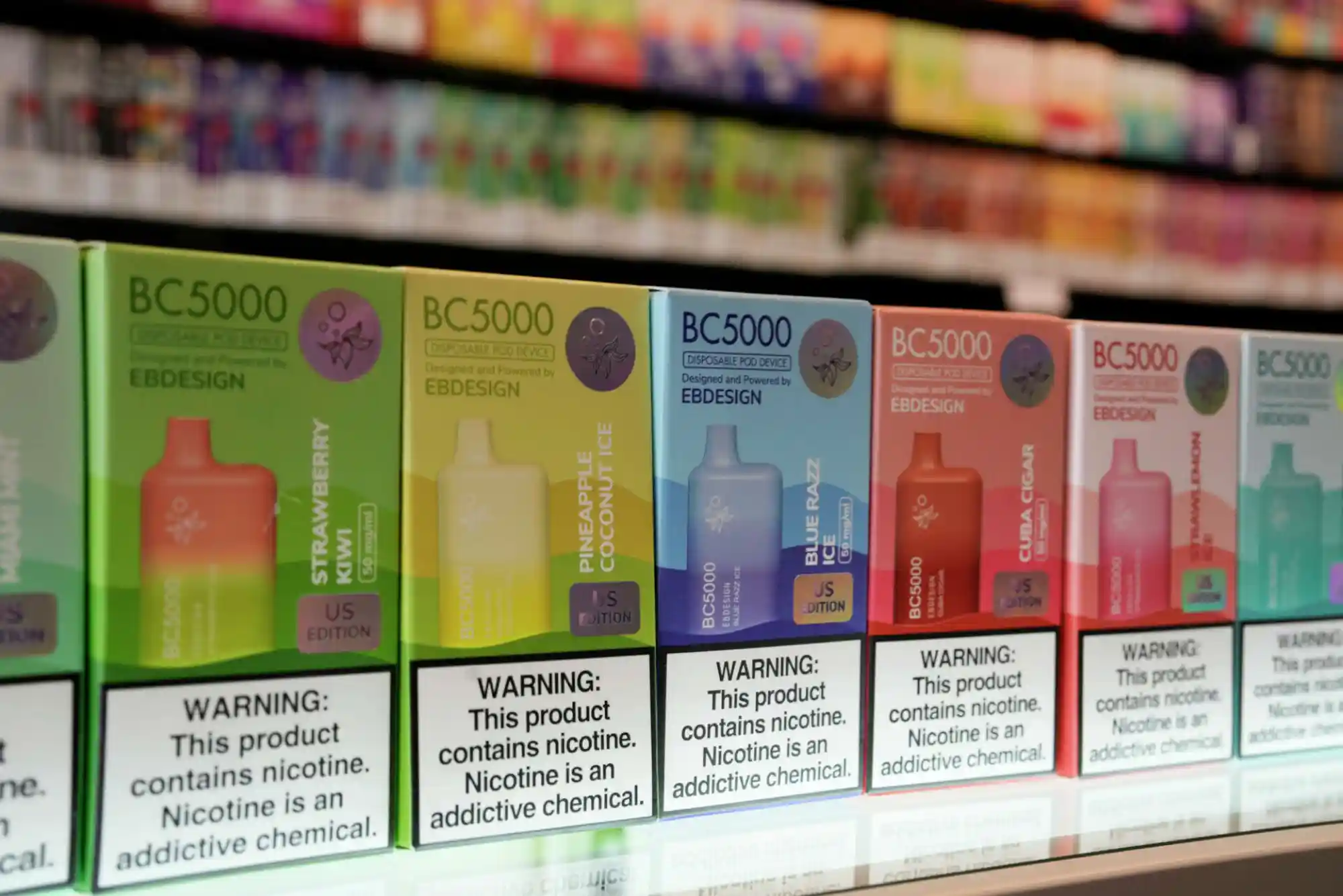
Introduction
Vape retailers operate in a complex regulatory environment where a product that can be sold legally in one state may face restrictions or additional requirements in another. From licensing and product eligibility to age verification, excise taxes, and online sales, compliance requires more than simply understanding federal law. For businesses operating across multiple locations or shipping products to customers in different states, the challenge becomes even greater.
Vape retailers navigating state compliance must understand how state laws interact with federal requirements and local restrictions. Regulations can change quickly, and a retailer’s existing procedures may become outdated following a new law, enforcement action, or licensing update.
A practical compliance strategy helps retailers reduce legal risks, maintain accurate records, protect their business reputation, and serve customers responsibly. The goal is not merely to react when regulations change. It is to build everyday business processes that make compliance a consistent part of retail operations.
Understanding the Regulatory Landscape for Vape Retailers
Vape retailers must consider several layers of regulation before purchasing, marketing, or selling electronic nicotine delivery system products. Federal requirements establish an important baseline, but states and local jurisdictions can impose additional obligations.
Federal Rules and State-Level Requirements
The U.S. Food and Drug Administration regulates tobacco products, including e-cigarettes and vaping products, under federal law. FDA requirements can affect product marketing, manufacturing, distribution, and legal market status. Retailers should not assume that a product is lawful to sell simply because a supplier offers it or competitors stock it.
States may separately regulate retailer licenses, product sales, flavor restrictions, excise taxes, shipping practices, and other aspects of the vape market. Some jurisdictions also establish product directories, registration systems, or requirements connected to state-approved product lists.

These rules are not interchangeable. Meeting a federal requirement does not automatically satisfy every state obligation, and a state license does not establish that every product in a retailer’s inventory is federally marketable.
Retailers should review the FDA’s official information on electronic nicotine delivery systems alongside current state statutes, regulations, and agency guidance. This provides a clearer foundation for evaluating which products and activities are permitted.
Why State Compliance Is Different Across Markets
A retailer operating in several states may encounter different licensing deadlines, renewal procedures, tax rates, minimum-age enforcement rules, and product restrictions. Even neighboring states can take substantially different approaches to vaping regulation.
Local requirements can add another layer. A city or county may impose zoning restrictions, retail licensing conditions, or other rules that affect where and how a vape shop operates.
For this reason, businesses should avoid relying on a single nationwide compliance checklist. A more effective approach is to maintain a state-specific compliance framework that accounts for local requirements wherever applicable.
Vape Retailers Navigating State Compliance Through Licensing
Retail licensing is one of the first issues a new or expanding vape business should investigate. Selling regulated products without the required authorization can expose a business to penalties, interrupted operations, or licensing problems.
Confirming License Requirements Before Opening
License requirements vary by jurisdiction. Some states require a specific tobacco or vape retailer license, while others may apply broader tobacco sales licensing rules. Certain locations may also require separate business permits, sales tax registrations, or local approvals.
Retailers should contact the relevant state revenue department, tobacco control agency, licensing authority, and local government to identify every applicable requirement.
Before opening a new location, confirm whether the business needs separate licenses for each premises, whether owners or managers must meet particular conditions, and whether licenses must be displayed publicly. It is also important to understand application processing times and whether selling can begin before approval.
Managing Renewals and Regulatory Changes
Obtaining a license is only the beginning. Many licenses require periodic renewal, payment of fees, or updated business information. Changes in ownership, business address, or operating structure may trigger additional reporting obligations.
A centralized compliance calendar can help retailers monitor renewal dates, filing deadlines, inspection requirements, and policy changes. Assigning responsibility to a specific employee or manager makes missed deadlines less likely.
Businesses opening in new states should complete this review before signing supplier agreements or committing to inventory purchases. This prevents avoidable costs when a product category or retail activity faces unexpected restrictions.
Product Restrictions, Registration, and Inventory Management
Product eligibility is one of the most challenging aspects of state vape compliance. A retailer may source products from a distributor without realizing that a particular device, flavor, or nicotine formulation is restricted in the intended market.
Checking Product Eligibility Before Purchasing
Retailers should establish a product approval process that verifies relevant federal status and state-specific requirements before new inventory enters the sales system.
Depending on the jurisdiction, a product may need to satisfy registration requirements, appear on an official directory, or meet particular restrictions concerning ingredients, packaging, or product characteristics. Some states also restrict flavored products or prohibit the sale of certain disposable devices.
A supplier’s assurance is useful background information, but it should not replace independent verification. Retailers should request relevant documentation, identify the manufacturer and product accurately, and check applicable government records.
Where product registration is required, businesses should verify that the registration is current and applies to the exact product being sold. Similar branding does not necessarily mean that two products have the same regulatory status.
Handling Registration Delays and Uncertain Products
Product registration delays can complicate purchasing decisions, particularly when a retailer depends on new products to maintain sales. However, a pending application should not be treated as approval to sell.
Retailers should understand the difference between an application being submitted, an application being reviewed, and a product being legally eligible for sale. These are separate stages, and the applicable rules determine what each stage permits.
For additional context, retailers can review Vape Product Registration Delays Explained to better understand why delays matter when planning inventory and supplier relationships.
A practical response is to maintain a list of verified products, document the evidence supporting each purchasing decision, and place uncertain products on hold until their status is resolved. This is generally safer than purchasing large quantities based on an expected approval date.
Building a Reliable Inventory Tracking System
Inventory software can help retailers connect product records with state-specific selling restrictions. Each product record should identify the brand, model, manufacturer, relevant registration details, supplier, and any jurisdiction-specific limitations.
When regulations change, staff should be able to identify affected products quickly. Businesses should also document decisions to remove products from sale, return stock to suppliers, or segregate inventory pending legal review.
Good inventory controls improve more than regulatory compliance. They also reduce purchasing mistakes, simplify supplier communication, and make internal audits more efficient.
Age Verification and Responsible Retail Practices
Age verification is a fundamental part of vape retail compliance. Federal law prohibits retailers from selling tobacco products, including e-cigarettes, to anyone younger than 21. State and local laws may impose additional procedures or enforcement requirements.
Creating a Consistent Age-Verification Policy
Retailers should establish a clear policy describing when employees must request identification, which forms of identification are acceptable, and how staff should respond when age cannot be verified.
A reliable process should be used consistently rather than depending on an individual employee’s judgment. Point-of-sale prompts and electronic age-verification tools can support staff, but they do not eliminate the need for proper training and oversight.
Employees should understand that refusing a sale is the correct response when identification is missing, appears invalid, or does not establish that the customer meets the legal age requirement.
Training Employees to Handle Difficult Situations
Age-verification procedures work best when employees receive practical training. Staff should know how to inspect identification, identify potential warning signs, and remain professional when customers object to a refused sale.
Managers should document training sessions and update policies whenever relevant legal requirements change. Periodic internal checks can reveal whether employees are following procedures consistently.
For online retailers, age verification presents additional challenges. Businesses should review the laws governing online sales, identity checks, delivery procedures, and the jurisdictions they serve. A simple age confirmation checkbox may not satisfy all applicable requirements.
Taxes, Recordkeeping, and Financial Compliance
Tax obligations can significantly affect a vape retailer’s operating costs. Depending on the jurisdiction, businesses may need to collect sales tax, pay tobacco or vapor product excise taxes, obtain tax permits, or submit periodic returns.
Understanding State and Local Tax Obligations
Tax treatment varies according to the product, transaction, and location. Some jurisdictions calculate vapor product excise tax using the wholesale price, retail price, product volume, or another statutory measure.
Retailers should confirm which products are taxable, who is responsible for remitting each tax, and whether special invoices or reporting records are required. Online sales may introduce additional questions about destination-based taxes and registration obligations.
Accurate point-of-sale configuration is essential. If a tax rate changes, the system should be updated promptly and tested to ensure that transactions are calculated correctly.
Maintaining Accurate Business Records
Recordkeeping supports tax reporting, license renewals, supplier verification, and responses to inspections. Retailers should retain invoices, tax filings, licenses, product documentation, staff training records, and other required business records for the periods established by applicable law.
Records should be organized so that management can quickly establish where a product came from, which locations received it, and whether it was eligible for sale at the relevant time.
A periodic reconciliation between inventory, sales reports, and supplier invoices can help identify errors before they become larger compliance problems.
Marketing, Online Sales, and Shipping Restrictions
Digital marketing gives vape retailers opportunities to reach customers, but it also creates regulatory risks. Advertising restrictions, platform policies, age-related requirements, and product claims can all affect how a business promotes its offerings.
Reviewing Advertising and Promotional Content
Retailers should check the rules governing product claims, discounts, giveaways, sponsorships, and advertising channels in every jurisdiction they target. Promotions that appear ordinary in other retail sectors may be restricted for tobacco products.
Businesses should also avoid unsubstantiated claims that vaping products are safe, risk-free, or approved for a particular medical purpose. Marketing materials should be reviewed for accuracy and compliance before publication.
Email campaigns and social media promotions should follow applicable advertising, privacy, and age-targeting requirements. Platform acceptance alone does not establish legal compliance.
Checking Shipping and Delivery Requirements
Online vape sales may involve state-specific restrictions, age-verification obligations, tax requirements, and carrier policies. Federal law also imposes significant restrictions on the mailing of electronic nicotine delivery systems through the U.S. Postal Service, subject to limited exceptions.
Retailers should not assume that a product can be shipped merely because it can be sold in a physical store. Before accepting an order, businesses should verify whether the destination permits the transaction and whether the chosen delivery method is lawful.
An effective checkout system should identify restricted destinations, apply the relevant tax rules, and prevent orders that cannot legally be fulfilled.
Building a Practical State Compliance Program
A strong compliance program combines reliable information with repeatable daily procedures. It should be practical enough for employees to follow and flexible enough to accommodate changing laws.
Create a State-by-State Compliance Matrix
Retailers operating across several jurisdictions should document the requirements that apply to each location. The matrix can cover licensing, product eligibility, registration, age verification, taxes, advertising, shipping, and record retention.
Each requirement should identify its official source, the employee responsible for monitoring it, the relevant deadline, and the last review date. This makes it easier to distinguish confirmed obligations from issues that still require clarification.
Use Official Sources and Qualified Advice
Industry articles, trade groups, suppliers, and compliance newsletters can help retailers identify potential changes. However, official statutes, agency guidance, and current government databases should remain the primary sources for legal decisions.
The FDA’s 50-state e-cigarette regulation review can serve as a starting point for understanding federal information about e-cigarettes and other electronic nicotine delivery systems. Retailers should supplement it with state and local sources because federal information does not replace a jurisdiction-specific legal review.
When a rule is ambiguous or a business faces a significant investment decision, advice from a qualified attorney or tax professional with relevant experience can help clarify obligations.
Review Compliance Regularly
Compliance should be reviewed throughout the year rather than only when a license expires. Scheduled reviews can identify outdated product lists, incomplete tax records, expired training, and changes to state requirements.
Retailers should also establish a process for responding to new legislation. Once a relevant change is identified, management should assess which products, locations, systems, and employee procedures are affected. The business can then update its controls and document the action taken.
A consistent review process makes it easier to respond to regulatory changes without disrupting routine operations.
Common Compliance Mistakes Vape Retailers Should Avoid
One frequent mistake is assuming that a product sold by a reputable distributor is automatically legal in every state. Supplier reputation does not replace product-specific verification.
Another is treating compliance as a one-time task. Laws, tax rates, registration requirements, and agency guidance can change, so procedures need regular review.
Poor documentation is another avoidable risk. Even when a business follows the correct procedure, missing invoices, expired licenses, or incomplete training records can make it difficult to demonstrate compliance.
Finally, retailers should avoid expanding into new markets before understanding the applicable requirements. Checking local rules before investing in inventory, advertising, or premises can prevent costly surprises.
Make State Compliance Part of Everyday Operations
Vape retailers navigating state compliance face a moving combination of federal requirements, state restrictions, local rules, licensing conditions, and tax obligations. The most reliable approach is to verify product eligibility, maintain accurate records, train employees, monitor regulatory updates, and review each market before expanding operations.
Compliance does not have to become an overwhelming administrative burden. With clear responsibilities, reliable information, and practical systems, retailers can make regulatory checks part of their normal business routine.
For further industry information and regulatory guidance, visit vapexplore. Review your current licenses, inventory, and sales procedures today, identify any gaps, and develop a documented plan to address them. A proactive approach can help protect your business while supporting responsible retail practices.
FAQs
What regulations apply to vape retailers in the United States?
Vape retailers must follow applicable federal, state, and local requirements. These may cover product market status, retailer licensing, minimum-age sales, taxes, advertising, packaging, and shipping. The exact obligations depend on the products sold and the jurisdictions where the business operates.
Do vape shops need a license in every state?
Licensing requirements vary by state and locality. Some jurisdictions require a dedicated tobacco or vapor product retail license, while others apply different business or tobacco sales permits. Retailers should verify the rules with the relevant licensing authority before selling regulated products.
Can vape retailers sell products while registration is pending?
Not necessarily. A pending application does not automatically authorize a product’s sale. Retailers must check the specific state requirements and applicable federal rules before making the product available to customers.
What is the legal age to buy vape products in the United States?
Federal law sets the minimum age for selling tobacco products, including e-cigarettes, at 21. Retailers should also check applicable state and local requirements for identification checks and sales procedures.
How can vape retailers keep up with changing state laws?
Retailers can monitor official state agency announcements, legislative updates, licensing notices, and tax guidance. Maintaining a state-specific compliance calendar, assigning responsibility for monitoring changes, and conducting regular internal reviews can help businesses keep procedures current.
Can vape retailers ship products across state lines?
Shipping depends on federal restrictions, destination-state laws, applicable age-verification and tax requirements, and carrier policies. Federal law restricts mailing electronic nicotine delivery systems through USPS, subject to limited exceptions. Retailers should verify all relevant requirements before accepting and fulfilling an order.
What happens if a vape retailer violates state regulations?
Consequences depend on the violation and jurisdiction. They may include fines, product seizure, license suspension or revocation, sales restrictions, or other enforcement actions. Serious violations can create substantial financial and operational risks, making preventive compliance controls important.
Related Reading: Vape Compliance Automation for Businesses
Related Reading: Vape Retailer Inspection Procedures by State — full guide