Common Vaping Terms Every Beginner Should Know
If you’re stepping into the world of vaping, the unfamiliar jargon can be overwhelming. Terms like “ohms,” “mods,” and “PG/VG” might sound like technical gibberish. But don’t worry—understanding these common vaping terms is easier than you think. This beginner-friendly vaping glossary will walk you through the essential language every new vaper should know. By the end, you’ll be equipped to choose your device, understand your e-liquid options, and communicate like a pro at any vape shop.
Why Knowing Vaping Terms Matters
Learning the basic terms in the vaping world is more than just sounding informed—it directly affects your vaping experience. From selecting the right e-liquid ratio to adjusting settings for flavor or vapor production, your knowledge helps you make safer, more enjoyable choices. Whether you’re looking to quit smoking or simply explore a new hobby, understanding the vaping glossary ensures you’re not flying blind.
Types of Vaping Devices
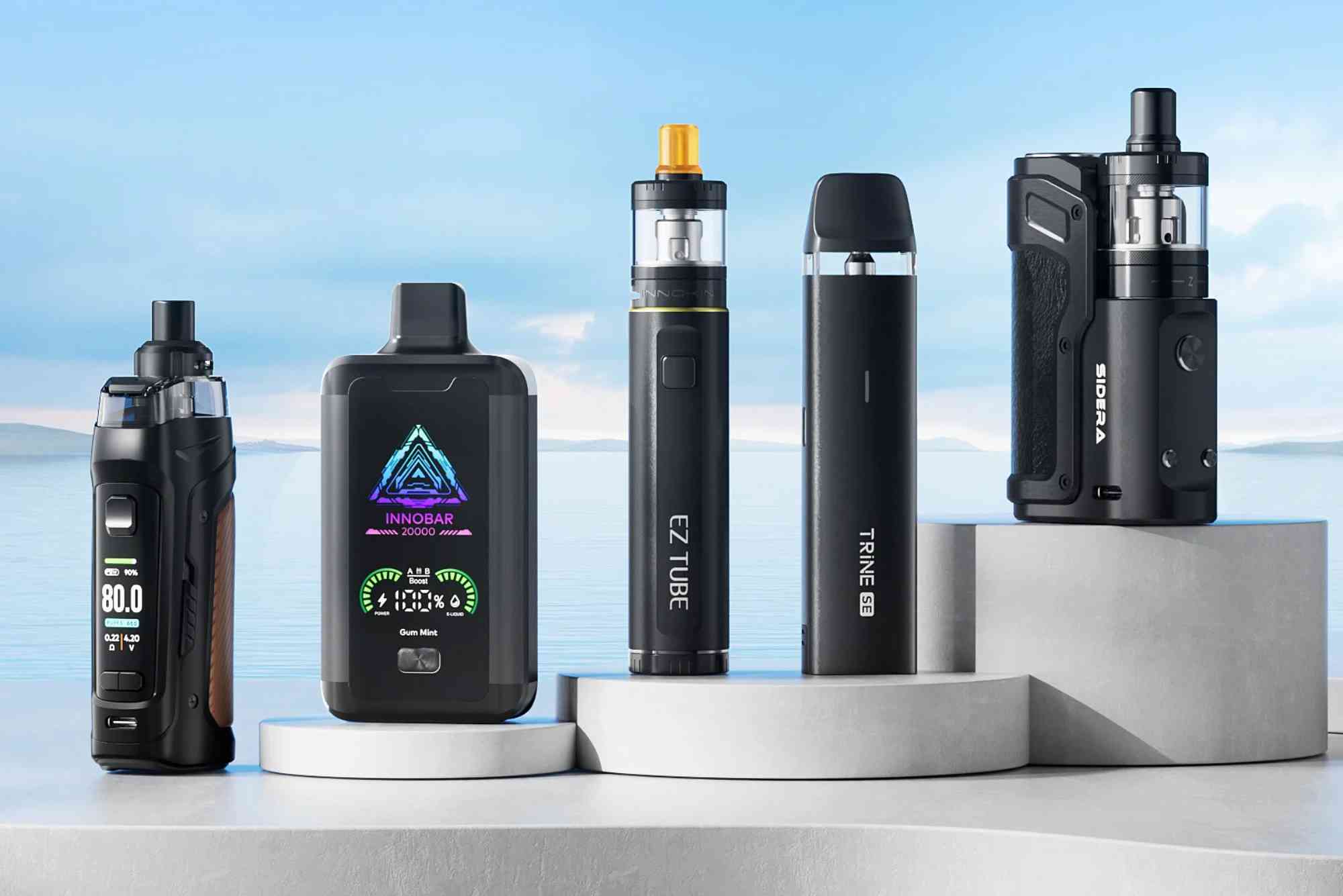
Let’s begin with the tools of the trade. There are different types of vaping devices, each offering unique features suited to different levels of experience.
Vape Pen
A vape pen is a slim, compact device shaped like a pen. It’s perfect for beginners because it’s easy to use and requires minimal maintenance. Vape pens typically have a built-in battery and are used with pre-filled or refillable cartridges.
Pod System
Pod systems are the latest evolution in the vaping world. They use pods instead of traditional tanks and are often draw-activated. Pods come in two forms: open (refillable) and closed (pre-filled). Their sleek design and ease of use make them ideal for discreet vaping.
Box Mod
Box mods are advanced vaping devices with customizable settings like wattage, temperature control, and coil resistance. They’re box-shaped, hence the name, and usually used by experienced vapers who want to fine-tune their experience.

Mechanical Mod
Mechanical mods, or mechs, are unregulated devices that offer raw battery power. They’re not recommended for beginners because they require a strong understanding of battery safety, ohm’s law, and coil building.
Components of a Vape Device
Knowing the parts of your vaping device helps you understand how it works and what might need replacement or upgrading over time.
Atomizer
The atomizer is the component that heats the e-liquid to create vapor. It’s often used interchangeably with terms like coil or tank, but technically it refers to the heating element itself.
Coil
A coil is a small piece of wire wrapped in a spiral and often surrounded by cotton. When electricity passes through it, it heats up, vaporizing the e-liquid. Coils are disposable and need replacement after a certain number of puffs or when flavor drops.
Tank
The tank holds your e-liquid. It sits above the coil and feeds it with juice. Some tanks are refillable, while others are designed for single use.
Drip Tip
The drip tip is the mouthpiece of your vape device. It can be made of plastic, metal, or resin and can affect how the vapor feels on your lips.
Battery
The battery powers the entire device. It can be internal (built-in) or external (removable). The size, voltage, and capacity of the battery determine how long your device lasts and how much vapor it can produce.
E-Liquid Terms You Should Know
The vaping glossary wouldn’t be complete without understanding e-liquid, often called vape juice. It’s the substance that gets vaporized and inhaled.
PG (Propylene Glycol)
PG is a thin, odorless liquid that carries flavor well and provides a stronger throat hit, similar to smoking. It’s often preferred by those transitioning from cigarettes.
VG (Vegetable Glycerin)
VG is thicker and sweeter than PG. It produces more vapor but delivers a smoother throat hit. E-liquids with high VG content are popular among cloud chasers.
Nicotine Strength
E-liquids come in different nicotine strengths, measured in milligrams per milliliter (mg/ml). Common levels include 3mg, 6mg, and 12mg. Higher strengths are typically used by heavier smokers or in pod systems.
Nic Salt
Short for nicotine salt, this type of nicotine is smoother and absorbs into the bloodstream faster. It’s often found in pod systems and allows for higher nicotine content without the harshness.
Freebase Nicotine
Freebase nicotine is the standard form used in most traditional e-liquids. It offers a stronger throat hit and is better suited for sub-ohm vaping.
Vaping Styles Explained
Different vaping techniques affect the flavor, throat hit, and cloud production. Your choice depends on personal preference and your device’s capability.
MTL (Mouth-to-Lung)
This is similar to the way most people smoke cigarettes. You inhale vapor into your mouth first, then into your lungs. MTL vaping provides a tighter draw and is ideal for higher nicotine strengths.
DTL (Direct-to-Lung)
In DTL vaping, you inhale vapor directly into your lungs, like taking a deep breath. This method produces bigger clouds and is typically used with lower nicotine e-liquids and more powerful devices.
Restricted Direct Lung
This is a hybrid style that sits between MTL and DTL. The draw is slightly open but not as airy as DTL. It’s becoming popular for those who want the best of both worlds.
Important Vaping Metrics
Understanding a few key metrics helps you tweak your settings and avoid common mistakes.
Ohm
Ohm (Ω) is the unit of electrical resistance. In vaping, it refers to the coil resistance. Lower ohms (<1.0Ω) produce more vapor and heat, while higher ohms (>1.0Ω) offer a cooler, tighter vape. This is the basis of sub-ohm vs. standard vaping.
Wattage
Wattage determines how much power is delivered to your coil. Higher wattage produces hotter vapor and more clouds but drains your battery faster. Many box mods allow wattage adjustments for a personalized experience.
Voltage
Voltage is another way to measure power. While wattage is more common, some advanced users prefer voltage-based customization. Most devices automatically adjust voltage according to your selected wattage.
Resistance
Resistance affects flavor, vapor production, and battery life. Sub-ohm coils (<1.0Ω) are used for intense clouds and flavor, while higher resistance coils are used for a more cigarette-like experience.
Safety and Maintenance Terms
Staying safe and keeping your gear in top shape is essential. Here are a few terms you’ll encounter related to maintenance and safety.
Dry Hit
A dry hit happens when there’s no e-liquid in your coil or wick, causing a burnt taste. It’s unpleasant and avoidable by keeping your tank topped up and priming your coils.
Leaking
This occurs when e-liquid escapes from your tank, usually due to faulty seals, overfilling, or thin liquid. Understanding your device’s design helps minimize leaks.
Priming
Priming involves soaking the coil’s cotton wick with e-liquid before using it. This prevents dry hits and helps extend coil life.
Venting
Battery venting is a dangerous condition where the battery releases hot gases due to overheating or damage. Always use the correct batteries and follow safety guidelines.
Short Circuit
This is an electrical fault caused by improper coil installation or a damaged device. Most modern vapes have protections against shorts, but it’s good to understand what they mean.
Popular Slang and Community Terms
Every community has its own slang, and vaping is no different. Knowing these terms can help you better engage in vape forums or conversations.
Cloud Chasing
This refers to the pursuit of producing the biggest vapor clouds. It usually involves sub-ohm devices, high VG liquids, and specific vaping techniques.
Throat Hit
The throat hit is the sensation you feel at the back of your throat when inhaling vapor. It’s stronger with high PG and nicotine content.
Steeping
Steeping is the process of letting your e-liquid sit for a period to improve its flavor. Just like aging wine, it allows flavors to blend more deeply.
Chain Vaping
Chain vaping means taking multiple puffs in quick succession. While tempting, it can overheat your coil and cause dry hits or leaking.
Understanding the essential vaping glossary empowers you to make smarter, safer, and more enjoyable choices as a beginner. Whether you’re choosing your first device, customizing your e-liquid, or adjusting your settings, these terms provide the foundation for a smooth vaping journey. Now that you know the lingo, you’re ready to explore the vaping world with confidence. Ready to start vaping or upgrade your device? Explore trusted brands and guides to get started on the right foot.
FAQs
What does MTL and DTL mean in vaping?
MTL (Mouth-to-Lung) mimics smoking by drawing vapor into your mouth before inhaling. DTL (Direct-to-Lung) is inhaling vapor straight into the lungs for larger clouds.
What is sub-ohm vaping?
Sub-ohm vaping uses coils with resistance below 1.0 ohm, producing more vapor and intense flavor. It’s ideal for cloud chasers and requires more powerful devices.
What is the difference between PG and VG?
PG provides a stronger throat hit and carries flavor well, while VG is thicker and produces larger clouds with a smoother hit.
Why is my vape leaking?
Leaking can result from overfilling, faulty seals, or using e-liquids that are too thin. Proper filling and regular cleaning help prevent it.
How do I avoid dry hits?
Prime your coil before use, keep your tank filled, and don’t chain vape excessively. Dry hits occur when the wick is not saturated with e-liquid.
What nicotine strength should I choose?
It depends on your smoking history. Light smokers may start with 3–6mg, while heavier smokers often choose 12–20mg, especially in nicotine salt form.