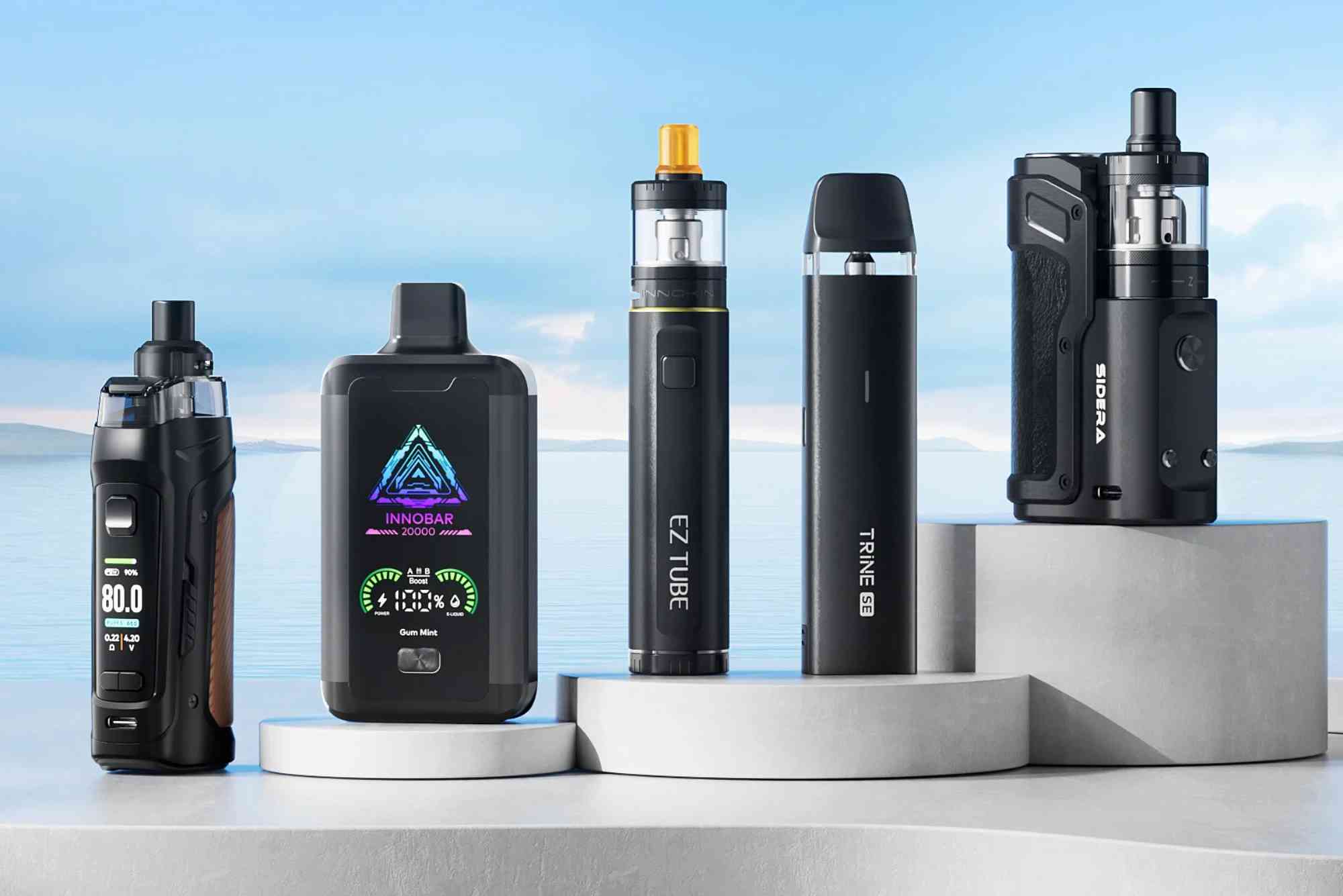
Smoking remains one of the leading causes of preventable death worldwide. Every year, millions of lives are lost due to tobacco-related illnesses. In response, many health experts are exploring strategies to reduce the harm caused by combustible cigarettes. One of the most discussed solutions is vaping harm reduction—a concept that views e-cigarettes as a safer alternative to smoking.
Understanding Harm Reduction
What Is Harm Reduction?
Harm reduction is a public health approach focused on minimizing the negative effects of harmful behaviors rather than eliminating the behaviors completely. In the context of smoking, this means offering less risky alternatives to traditional cigarettes.
Why It Matters in Smoking Cessation
Complete cessation is the ideal outcome. However, many smokers struggle to quit using conventional methods like nicotine patches or medications. Vaping presents a more appealing and potentially less harmful substitute.
Vaping: A Closer Look
What Is Vaping?
Vaping involves inhaling aerosolized e-liquid through an electronic device. These devices heat the liquid, which often contains nicotine, flavoring, and other substances, into a vapor that is inhaled.
Types of Vaping Devices
There are various vaping devices available, from beginner-friendly pod systems to advanced mods. Despite differences in design, the core function remains the same: delivering nicotine without burning tobacco.
The Science Behind Vaping and Harm Reduction
Comparing Vaping to Smoking
Traditional cigarettes burn tobacco at high temperatures, producing tar and thousands of toxic chemicals. Vaping, by contrast, heats liquid at much lower temperatures, significantly reducing exposure to carcinogens.

According to Public Health England (now Office for Health Improvement and Disparities), vaping is estimated to be at least 95% less harmful than smoking. This doesn’t mean vaping is entirely risk-free—but it presents a dramatically lower risk profile.
What Does the Research Say?
Numerous studies support the use of vaping in harm reduction. For instance:
- A 2019 study in the New England Journal of Medicine found that vaping was nearly twice as effective as nicotine replacement therapy for smoking cessation.
- The UK’s National Health Service (NHS) now recommends vaping as a tool for smokers trying to quit.
These findings highlight that vaping harm reduction isn’t just theoretical—it’s backed by evidence.
Common Concerns and Misconceptions
Is Vaping Completely Safe?
No. While vaping eliminates many toxins found in smoke, some harmful substances can still be present in e-liquids and vapor. However, the risks are far lower compared to smoking.
What About Long-Term Effects?
Long-term research is still ongoing. That said, the harm reduction principle acknowledges that even imperfect alternatives can be beneficial when the alternative is far worse—like smoking.
Does Vaping Encourage Youth Nicotine Use?
This is a valid concern. Some studies show that flavored products appeal to younger audiences. But strong regulations and age-verification systems can help prevent underage access without depriving adult smokers of a useful harm reduction tool.
Vaping Harm Reduction in the Real World
Case Studies and Global Perspectives
In countries like the United Kingdom and New Zealand, vaping has been integrated into public health policies aimed at reducing smoking rates. Both nations have seen significant drops in smoking prevalence as a result.
In contrast, countries with strict anti-vaping laws often struggle with stagnant or slow-declining smoking rates. This suggests that embracing vaping harm reduction, when properly regulated, can yield better public health outcomes.
Testimonials from Former Smokers
Thousands of former smokers attribute their success to switching to vaping. Many report better breathing, improved sense of taste and smell, and fewer cravings.
These personal experiences align with scientific findings and support vaping’s role in harm reduction.
Responsible Vaping Practices
Choosing the Right Device and E-liquid
Smokers looking to switch should opt for reputable brands and products. Avoid counterfeit or unregulated e-liquids, which may contain harmful substances.
Gradual Nicotine Reduction
One advantage of vaping is that it allows users to control their nicotine intake. Over time, many reduce their nicotine levels and eventually stop using nicotine entirely.
Role of Healthcare Professionals
What Should Doctors Know?
Doctors should stay informed about the latest research on vaping and harm reduction. Rather than discouraging vaping outright, healthcare providers can help patients make informed choices.
Counseling Smokers on Safer Options
When smokers express interest in quitting, professionals should include vaping as a possible alternative—especially when other methods have failed.
FAQs: Vaping and Harm Reduction
Is vaping better than smoking for your health?
Yes. While not harmless, vaping significantly reduces exposure to toxic chemicals found in cigarette smoke.
Can vaping help me quit smoking?
Many people successfully quit smoking with the help of vaping, especially when paired with support from healthcare providers.
Is nicotine dangerous if consumed via vaping?
Nicotine is addictive but not the main cause of smoking-related diseases. Vaping delivers nicotine without most of the harmful byproducts of combustion.
Are there risks of secondhand vapor?
The risks are minimal compared to secondhand smoke, though ventilation is still recommended when vaping indoors.
What is the safest vape to use?
The safest option is a reputable, regulated device used with high-quality e-liquids. Avoid black market or homemade products.
A Smarter Step Toward Quitting
Vaping isn’t a magic bullet—but it is a practical tool in the fight against tobacco-related harm. For smokers who have struggled to quit, vaping offers a less harmful path forward. By embracing vaping harm reduction, individuals and public health systems can reduce the burden of tobacco use and improve lives.