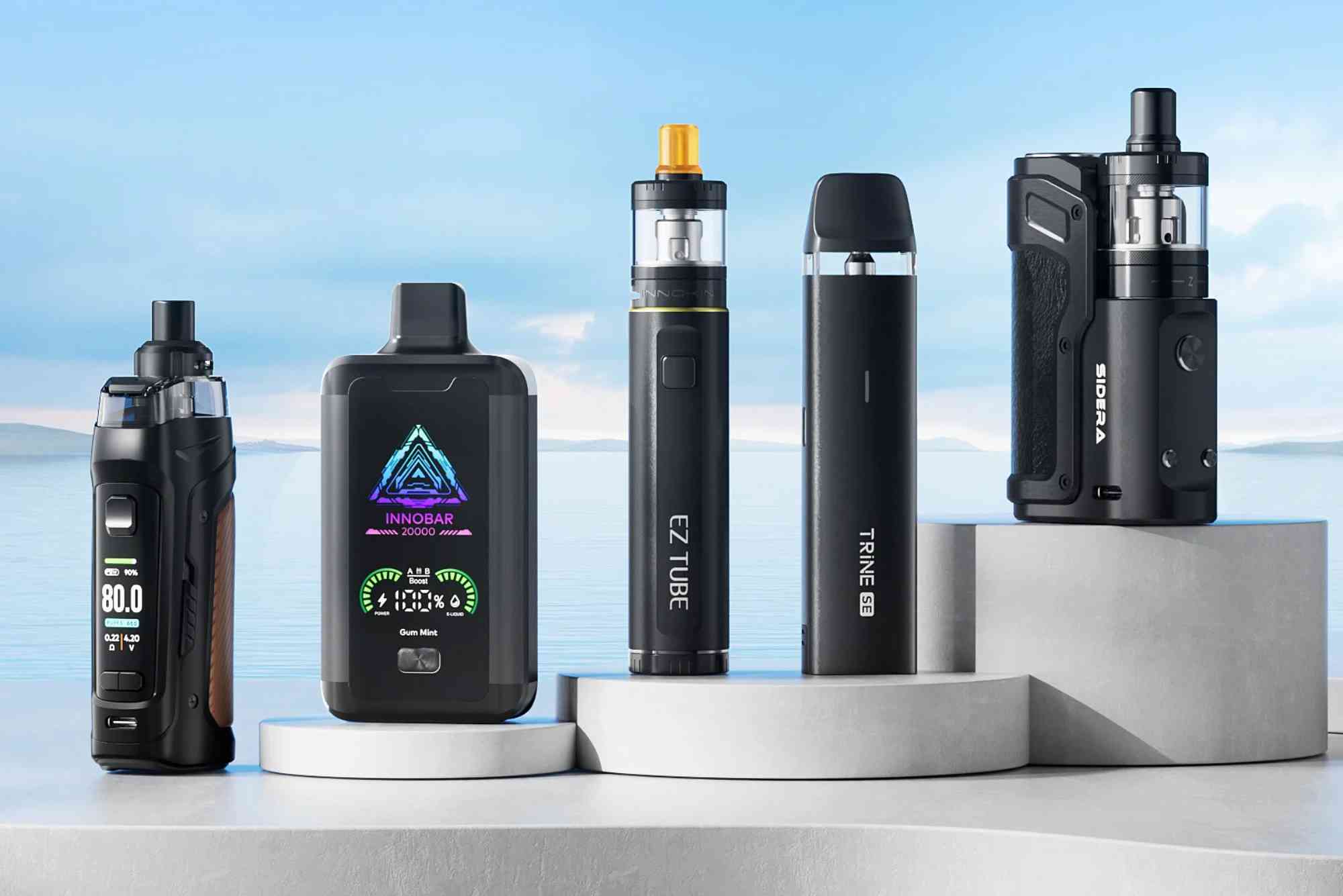
Marketing has always held power. When that power is used to promote products like vapes, the ethical stakes grow higher. Vaping marketing ethics sits at the intersection of public health, corporate responsibility, and consumer rights. As vaping rises in popularity—particularly among younger audiences—so does scrutiny around how companies advertise these products.
In this article, we’ll explore the ethical landscape of vaping marketing. From youth targeting to misleading health claims, we’ll examine where brands must draw the line, how regulations try to keep up, and what responsible marketing looks like in this space.
Understanding Vaping Marketing Ethics
Vaping marketing ethics refers to the moral principles that guide how vaping products are promoted. This includes the target audience, the language used in promotions, imagery, platform choices, and health-related claims.
Why Ethical Marketing Matters in Vaping
Vaping devices are not harmless. While some view them as tools to quit smoking, others see them as gateways to nicotine addiction—especially for teens. How companies market these products can significantly influence public perception and consumer behavior.
Vaping vs. Traditional Tobacco Marketing
Unlike cigarettes, vape products emerged in the digital era. This allowed brands to avoid the rigid advertising restrictions imposed on tobacco. As a result, social media influencers, flashy flavors, and viral campaigns became key tools—blurring ethical lines, especially around youth exposure.
The Youth Appeal Problem
One of the most debated areas in vaping marketing ethics is the appeal to underage users.

Targeting vs. Appealing to Teens
Companies often claim they don’t market to teens. Yet, fruity flavors, vibrant packaging, and ads featuring young-looking models suggest otherwise. Even if unintentional, this crossover can’t be ignored ethically.
The Role of Flavors and Aesthetics
Bright packaging and candy-like flavors play a psychological role. They make vapes feel more like lifestyle accessories than nicotine delivery systems. This appeal can inadvertently encourage experimentation among youth, violating ethical boundaries.
Social Media and Influencer Marketing
Digital marketing offers unparalleled reach—but also unique ethical challenges.
Influencers and Youth Exposure
Many vape brands collaborate with influencers to reach younger, trend-sensitive audiences. Even when these influencers are adults, their follower base often includes teens. This raises questions about implied messaging and indirect targeting.
Algorithms and Ad Placements
Programmatic advertising and social algorithms can place vape ads in spaces frequented by younger users. Brands may not always control where their ads appear, but they remain ethically responsible for the outcomes.
Health Claims and Misleading Messaging
Another major concern in vaping marketing ethics is the communication of health risks.
The “Safer Alternative” Narrative
Many vaping brands promote their products as safer than smoking. While some research supports this claim, the context often gets lost. Vapes may be less harmful—but they are not harmless. Omitting that nuance is ethically questionable.
Omission of Long-Term Risks
Ethical marketing demands transparency. Vaping is a relatively new phenomenon, and long-term health effects remain unclear. Marketers have a duty to present this uncertainty rather than exploit consumer ignorance.
Regulatory Challenges and Loopholes
Governments and health agencies are catching up, but regulation still lags behind.
Different Laws Across Regions
In the US, UK, and UAE, vaping laws vary. Some restrict advertising altogether; others allow it under conditions. These inconsistencies make it easier for brands to exploit legal gray zones.
Age Verification and Retail Responsibility
Ethical marketing doesn’t stop at ads. Age verification on websites, clear labeling, and training for retailers all play roles in reducing underage access. Cutting corners on these fronts shows disregard for ethical norms.
Ethical Responsibilities of Vape Companies
Ultimately, the onus lies with the brands. Legal compliance is the floor, not the ceiling.
Transparent Marketing
Ethical vape brands must offer clear, honest messaging. This includes balanced health information, disclaimers, and avoiding language that glamorizes use.
Responsible Platform Use
Choosing where and how to advertise matters. Avoiding platforms dominated by underage users or refraining from influencer partnerships aimed at youth audiences is part of ethical marketing behavior.
Internal Accountability
Companies can implement internal review processes. Marketing teams should be trained on vaping marketing ethics. Independent audits or reviews can help identify and correct risky practices before campaigns go live.
How Consumers Can Help Promote Ethics
Ethical marketing isn’t just a brand’s responsibility. Consumers also play a role.
Demand Transparency
If an ad feels misleading, speak up. Public scrutiny and social pressure can push brands toward ethical practices faster than laws sometimes can.
Support Responsible Brands
Choose companies that are upfront about the risks and clearly avoid targeting youth. Consumer choices drive market behavior.
Marketing With Conscience
Vaping marketing ethics isn’t about killing the industry. It’s about ensuring that promotion doesn’t come at the cost of public health—especially for teens and young adults.
Responsible marketing balances business growth with societal impact. For vaping companies, that means clarity, transparency, and a conscious refusal to exploit vulnerable audiences.
FAQ: Vaping Marketing Ethics
Is it ethical to advertise vaping products?
It depends on how it’s done. Ethical advertising should avoid targeting minors and must not mislead about health risks.
How do vape companies market to teens without breaking the law?
Often through indirect methods—like using flavors, colors, or influencers that appeal to youth—while claiming they’re not targeting them.
What are some unethical vaping marketing tactics?
Unethical tactics include glamorizing vaping, omitting health risks, using youth-centric aesthetics, or advertising on teen-heavy platforms.
Can vapes be marketed as safe alternatives to cigarettes?
Only with balanced context. While some vapes may be safer, they still carry health risks and unknowns. Full disclosure is key.
What regulations exist to control vaping marketing?
Regulations vary by country. Some regions restrict ads entirely; others allow them with conditions like health warnings or age limits.