The Psychology of Vaping Habits
Vaping has grown from a niche alternative to smoking into a global trend that touches various age groups and lifestyles. While discussions often focus on health effects or regulations, the psychology behind vaping habits is equally important to understand. Vaping psychology explores why people start, continue, or struggle to quit vaping, considering emotional triggers, social influences, and cognitive patterns. Understanding these psychological factors is essential for both individuals who vape and professionals aiming to provide guidance.
Why Understanding Vaping Psychology Matters
The vaping industry markets devices and flavors in ways that tap into human psychology. Many people underestimate how much mental and emotional factors influence vaping behavior. Whether it’s stress relief, social identity, or sensory pleasure, the reasons for vaping are rarely just about nicotine intake. By understanding the psychology, users can make more informed choices, and support systems can be more effective in helping those who wish to quit or reduce use.
Emotional Triggers Behind Vaping
Emotions play a major role in starting and maintaining vaping habits. Stress, anxiety, and boredom are common triggers. For some, vaping offers a calming ritual during high-pressure moments. Others turn to vaping as a distraction from negative emotions. This emotional connection can make quitting difficult because it’s not just about breaking a physical habit—it’s about finding healthier coping mechanisms. The vaping psychology framework highlights that emotional dependence often develops before physical dependence.
The Role of Social Influence
Social influence is a powerful psychological driver. Peer pressure, group identity, and cultural trends can push individuals toward vaping. Younger users, especially teenagers and young adults, may view vaping as a way to fit in, appear trendy, or signal a certain lifestyle. The shared experience of vaping in social circles can reinforce habits and create a sense of belonging. This aligns with the broader psychological principle that humans are wired to seek connection and approval.
Cognitive Associations with Vaping
Vaping is often linked to mental cues that become automatic over time. For example, someone might associate vaping with taking a break from work, having a coffee, or driving. These cognitive associations become deeply ingrained, making vaping feel almost instinctive in certain situations. This is why many people find themselves reaching for their device without conscious thought. Breaking these associations is one of the biggest psychological hurdles when trying to quit.
Sensory Rewards and Habit Formation
One reason vaping is so appealing is the sensory reward it offers. Flavors, vapor clouds, and the throat hit create a multi-sensory experience that can be pleasurable in itself. Psychologically, these rewards reinforce the habit through a feedback loop—pleasure encourages repetition, which in turn strengthens the habit. In vaping psychology, this loop is similar to how people develop cravings for certain foods or drinks. The more enjoyable the sensory experience, the harder it is to let go.

The Role of Nicotine in Psychological Dependence
While nicotine is a chemical factor, its psychological impact is significant. Nicotine stimulates the release of dopamine, the “feel-good” neurotransmitter, which creates a reward sensation. Over time, the brain begins to associate nicotine intake with feeling relaxed, focused, or satisfied. This creates a cycle where vaping becomes both a physical and mental necessity. Even nicotine-free vaping can carry psychological hooks due to the habitual and sensory aspects discussed earlier.
Vaping as a Stress Management Tool
Many vapers describe their habit as a way to manage stress or calm down during tense situations. The act of inhaling and exhaling vapor can mimic deep-breathing exercises, offering a momentary sense of relief. However, from a vaping psychology perspective, this creates a dependency loop—stress leads to vaping, vaping reduces stress temporarily, but the underlying cause of stress remains. Over time, the brain begins to see vaping as the primary coping strategy, which can make it difficult to explore healthier alternatives.
Marketing and Psychological Triggers
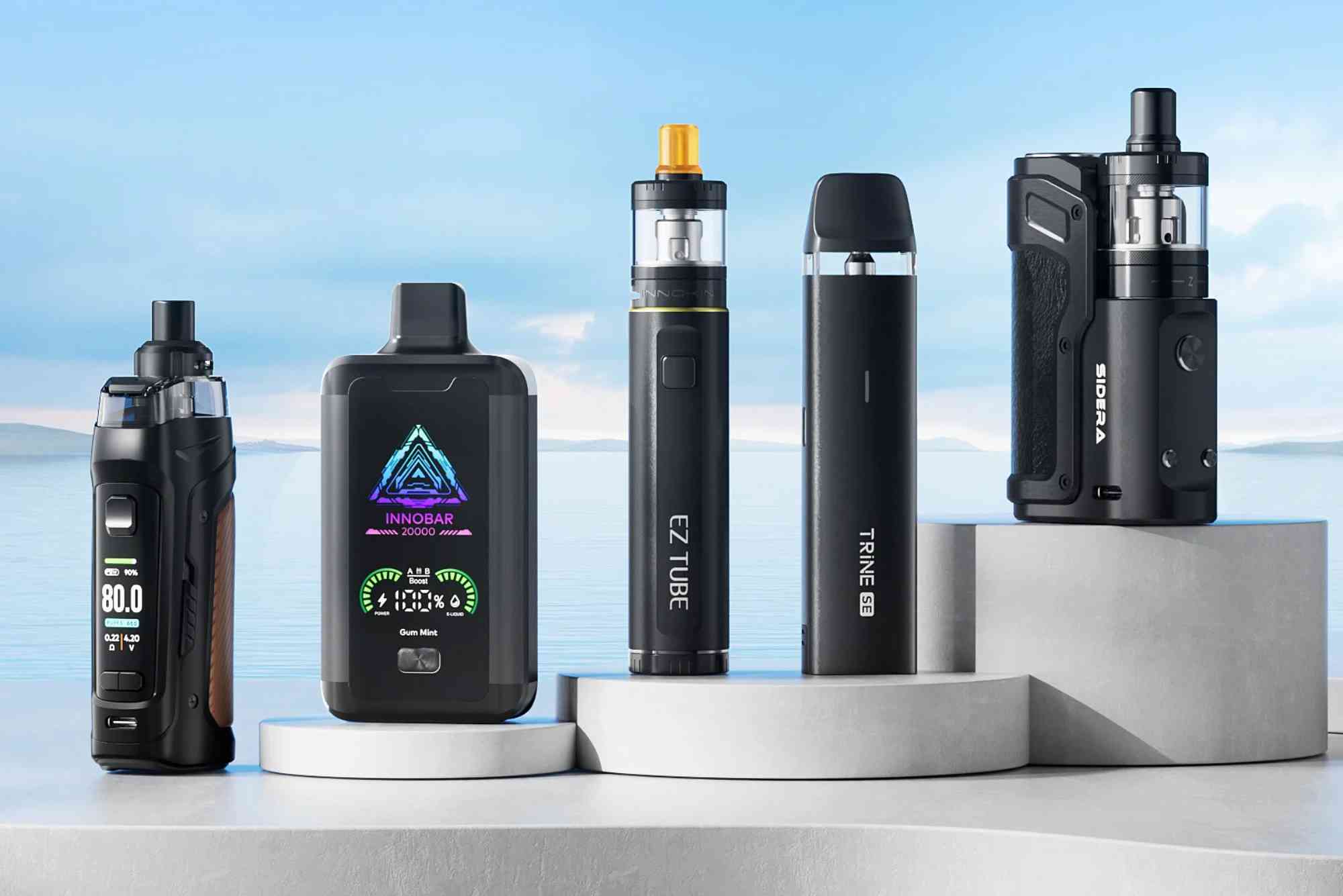
The vaping industry is skilled at leveraging psychological principles to attract and retain customers. Colorful packaging, appealing flavors, and sleek device designs target sensory appeal and identity expression. Marketing often focuses on themes of freedom, individuality, and social connection—powerful motivators in human behavior. By aligning products with aspirational lifestyles, companies tap into consumers’ deeper desires, making vaping more than just a habit—it becomes part of self-image.
Habit Reinforcement Through Routine
Routine plays a critical role in sustaining vaping behavior. People who vape at specific times of the day—such as after meals, during breaks, or while watching TV—create predictable patterns. These routines make the habit feel natural and necessary, even when there’s no real craving. In behavioral psychology, this is called operant conditioning, where a behavior is repeated because it consistently results in a perceived reward.
Breaking the Psychological Cycle
Understanding vaping psychology is the first step toward breaking the cycle. Quitting or reducing vaping often requires addressing both the physical addiction and the mental triggers. Behavioral strategies such as replacing vaping with alternative activities, practicing mindfulness, and avoiding high-risk situations can help. Support networks and professional counseling can provide the tools to reframe thinking patterns and find healthier coping mechanisms.
The Impact of Personality Traits
Certain personality traits can make individuals more susceptible to vaping habits. People high in sensation-seeking may be drawn to the variety of flavors and devices. Those with higher stress sensitivity may use vaping as an emotional buffer. Understanding one’s personality profile can be a valuable part of creating a personalized plan for managing or quitting vaping.
Long-Term Psychological Effects of Vaping
While much attention is paid to the physical effects of vaping, the long-term psychological impact is also worth considering. Habitual vaping can reduce confidence in one’s ability to handle stress without nicotine. It can also reinforce avoidance behaviors, where individuals vape to escape difficult emotions rather than address them directly. This dependence can limit emotional resilience over time.
The Role of Self-Identity in Vaping
For many, vaping becomes part of their identity. This can make quitting especially challenging because it feels like letting go of a part of oneself. Social media communities, vaping events, and brand loyalty reinforce this identity. In vaping psychology, this is known as identity-based motivation, where behavior aligns with how someone sees themselves. Changing this mindset is essential for lasting change.
The psychology of vaping habits is a complex mix of emotional, social, and sensory factors, reinforced by routine and identity. Understanding these psychological drivers is key to making informed decisions about vaping, whether your goal is to continue mindfully, reduce your use, or quit entirely. By recognizing the mental triggers and underlying needs that vaping fulfills, you can take control of the habit rather than letting it control you. If you’re looking to change your vaping behavior, start today by reflecting on your motivations, exploring alternative coping strategies, and seeking support when needed. Your mind is your most powerful tool in shaping your habits—use it to create the future you want.
FAQs
What psychological factors influence vaping?
Emotions, social influence, sensory rewards, and cognitive associations all play roles in shaping vaping habits.
Can vaping be addictive without nicotine?
Yes, the sensory experience and habitual cues can create psychological dependence even without nicotine.
How does stress affect vaping habits?
Stress often triggers vaping as a coping mechanism, creating a loop where stress relief becomes linked to vaping.
Why is quitting vaping so hard?
Quitting is challenging because it involves breaking both physical nicotine dependence and deeply ingrained psychological habits.