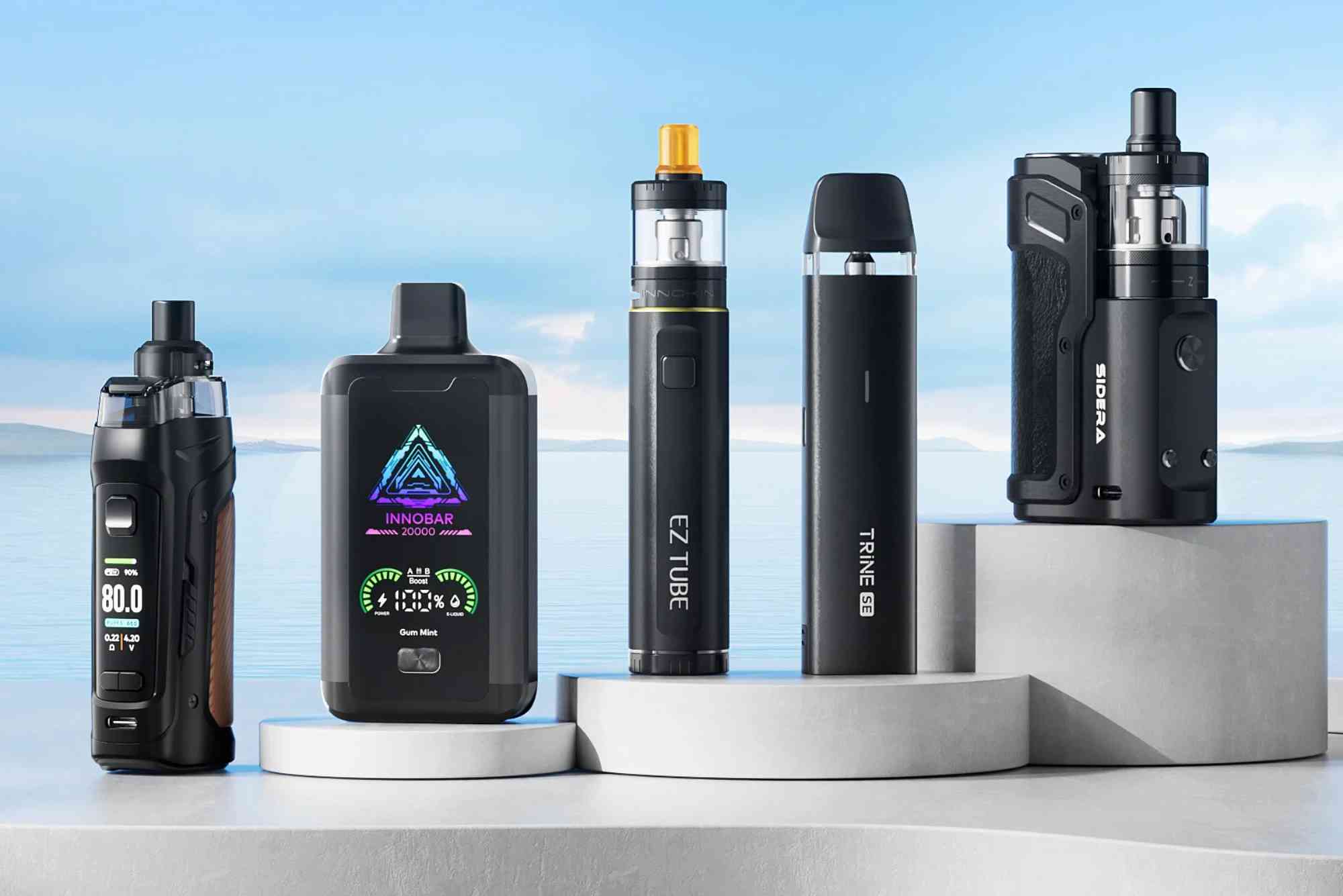
The Evolution of Vaping Technology
Vaping technology evolution has transformed the way people consume nicotine and other substances. From the first e-cigarette designs to today’s highly customizable and efficient devices, the journey reflects rapid innovation driven by consumer demand and health considerations. Understanding this evolution sheds light on how vaping became popular and what future trends may look like.
Introduction to Vaping Technology Evolution
The concept of vaping is relatively new compared to traditional smoking, yet its technological advancements have been swift and profound. Originally developed as a potentially safer alternative to smoking cigarettes, vaping devices have evolved to offer more user control, improved safety features, and diverse options for flavor and nicotine delivery.
This article dives into the major milestones of vaping technology evolution, examining how devices have changed and what innovations have made vaping more accessible and popular worldwide. Whether you’re a new vaper or someone curious about the technology behind it, this guide will provide valuable insights.
Early Beginnings: The Birth of Vaping Devices
The First Generation: Cig-a-Likes
The vaping technology evolution began in the early 2000s with the introduction of “cig-a-likes.” These devices mimicked the appearance of traditional cigarettes and were designed to deliver nicotine vapor as a replacement for tobacco smoke. They featured small batteries and pre-filled cartridges.
Though revolutionary at the time, cig-a-likes had limited battery life, inconsistent vapor production, and generally poor flavor quality. Despite these drawbacks, they played a critical role in popularizing vaping and making it socially acceptable.
Transition to Larger Devices: Clearomizers and Vape Pens
As user demand grew, manufacturers introduced larger vaping devices with refillable tanks known as clearomizers. These devices allowed vapers to choose their own e-liquids, improving customization and flavor options. Vape pens became popular for their balance between portability and power.

This stage of vaping technology evolution introduced rechargeable batteries and variable voltage controls, which allowed users to adjust the intensity of their vaping experience. These advancements marked a significant shift from the limited cig-a-likes.
Advancements in Vaping Technology: Second and Third Generations
Variable Wattage and Temperature Control
Further along in vaping technology evolution, devices started to include variable wattage and temperature controls. This gave users greater control over vapor production, throat hit, and flavor profile. Temperature control also helped prevent dry hits and burning, enhancing safety and user satisfaction.
Devices such as box mods emerged during this era, featuring larger batteries and advanced chipsets. These mods catered to experienced users looking for powerful devices with customizable settings.
Sub-Ohm Vaping and Cloud Chasing
Another key milestone in vaping technology evolution was the introduction of sub-ohm tanks. These tanks use coils with resistance below 1 ohm, allowing more power to pass through and producing larger vapor clouds and richer flavor. Sub-ohm vaping attracted a new group of enthusiasts focused on vapor production and aesthetics.
Cloud chasing became a popular trend, with competitions showcasing who could produce the largest vapor clouds. This trend pushed manufacturers to develop more durable coils, improved airflow systems, and bigger batteries.
The Rise of Pod Systems and Nicotine Salt E-liquids
Compact and User-Friendly Devices
In recent years, the vaping technology evolution has shifted toward portability and ease of use with the rise of pod systems. These devices are compact, lightweight, and use replaceable or refillable pods instead of tanks.
Pod systems cater to beginners and those who prefer a discreet vaping experience. Their simplicity does not compromise performance, as many pods are designed to deliver nicotine efficiently and provide good flavor.
Nicotine Salt Revolution
Alongside pod systems, nicotine salt e-liquids have changed the vaping landscape. Nicotine salts offer a smoother throat hit and faster nicotine absorption compared to traditional freebase nicotine liquids. This makes pod devices with nicotine salts particularly satisfying for smokers looking to quit.
Nicotine salts have helped reduce the gap between cigarette and vaping satisfaction, fueling the vaping technology evolution toward user-centric solutions.
Emerging Technologies Shaping the Future of Vaping
Smart Vaping Devices
The vaping technology evolution continues with the integration of smart technology. Some modern devices come equipped with Bluetooth connectivity and mobile apps that allow users to track usage, control settings remotely, and monitor battery life.
Smart devices also aim to improve safety by detecting overheating or unsafe coil conditions, and some even provide data to help users reduce nicotine intake gradually.
Heat-Not-Burn and Alternative Heating Methods
Beyond vaporization, heat-not-burn (HNB) technology has emerged as an alternative that heats tobacco to release nicotine without combustion. Although technically different from vaping, HNB products share similarities in offering potentially reduced harm compared to smoking.
The ongoing vaping technology evolution includes exploring alternative heating methods to enhance user experience and reduce health risks further.
Health and Regulatory Impact on Vaping Technology Evolution
Safety Improvements
Over the years, vaping devices have incorporated multiple safety features such as overcharge protection, short-circuit prevention, and child-proof designs. These advancements reflect an industry response to safety concerns and regulatory pressures.
Manufacturers also focus on producing high-quality batteries and components to prevent device malfunctions, a vital step in maintaining user trust and market growth.
Regulatory Challenges
Regulations across different countries have shaped the vaping technology evolution by imposing standards on device safety, marketing, and e-liquid composition. These rules aim to protect consumers while balancing harm reduction potential.
While some regions have embraced vaping as a cessation tool, others have introduced strict bans or limitations. Regulatory dynamics continue to influence innovation and availability of vaping products globally.
What the Future Holds in Vaping Technology Evolution
The vaping technology evolution has come a long way—from simple cig-a-likes to advanced smart devices. The industry continues to innovate, focusing on improving user experience, safety, and health outcomes. As research progresses and regulations adapt, vaping devices are likely to become more efficient, personalized, and integrated with technology.
For anyone interested in vaping or the science behind it, staying informed about these technological changes is essential. Whether you are a beginner or an enthusiast, exploring the latest devices can help you find a product that suits your lifestyle and preferences.
If you want to keep up with the latest in vaping technology and trends, subscribe to our newsletter for expert insights, reviews, and advice.
FAQ About Vaping Technology Evolution
What was the first vaping device ever made?
The first commercial vaping device was introduced by Hon Lik, a Chinese pharmacist, in 2003. It was designed to help smokers quit by delivering nicotine vapor without combustion.
How has vaping technology improved user safety?
Modern devices include multiple safety features such as battery protections, temperature control, and high-quality materials to reduce risks like overheating or battery explosions.
What is the difference between freebase nicotine and nicotine salts?
Freebase nicotine is the traditional form used in most e-liquids, while nicotine salts allow for higher nicotine concentrations with a smoother throat hit and faster absorption.
Are pod systems better than traditional vape mods?
Pod systems are more compact and user-friendly, ideal for beginners or those seeking convenience, while vape mods offer more power and customization options for experienced users.
How do regulations affect vaping technology?
Regulations influence product standards, marketing practices, and ingredient use, pushing manufacturers to innovate responsibly and ensure consumer safety.