Introduction
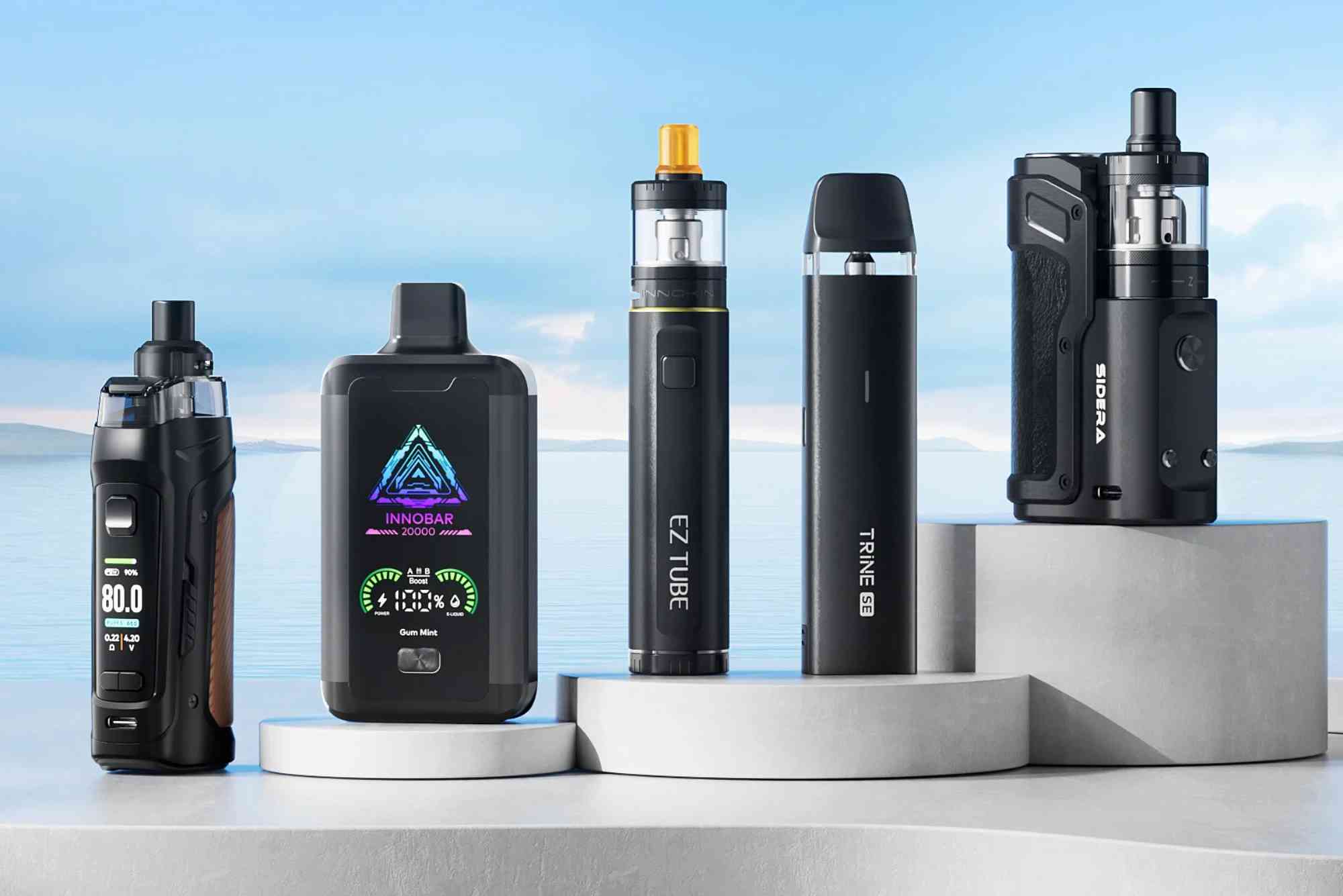
The vaping industry has experienced a significant transformation over the last decade. At the heart of this evolution is vaping technology integration, a concept that merges cutting-edge innovation with consumer demand for safer, smarter alternatives to traditional smoking. From Bluetooth-enabled devices to AI-powered temperature control, technology is no longer a secondary feature — it’s becoming the backbone of the vaping experience.
As health concerns, regulations, and user preferences shift, manufacturers are turning to advanced technologies to stay ahead. Whether you’re a curious beginner or a seasoned enthusiast, understanding this intersection between vaping and technology offers a glimpse into the future of personal wellness and consumer tech.
In this article, we’ll explore how vaping technology integration is reshaping product design, safety, customization, and regulation — all while improving user satisfaction.
The Rise of Smart Vaping Devices
Bluetooth Connectivity
One of the most noticeable innovations in modern vape devices is Bluetooth integration. This feature allows users to connect their devices to smartphone apps for greater control. Through mobile apps, vapers can track usage, monitor battery life, adjust settings, and even locate misplaced devices. This level of convenience marks a big shift from the early, more mechanical vape pens.
App-Based Customization
Smart vaping apps also offer enhanced personalization. Users can adjust temperature, wattage, and airflow settings with a few taps. Some apps even allow for session tracking to help users gradually reduce nicotine intake. This empowers users to take control of their habits while enjoying a smoother, more consistent experience.
Advanced Safety and Regulation Features
Temperature Control and Burn Protection
Earlier vape models often overheated e-liquids, creating harmful by-products. Thanks to vaping technology integration, modern devices now feature temperature control systems that prevent this. Sensors inside the coil measure and regulate heat levels, protecting both the device and the user.

Child Locks and Usage Monitoring
For added safety, newer vape kits include child-lock mechanisms and usage tracking. Parents can restrict access or monitor how often the device is used. These safety improvements are not just regulatory add-ons — they reflect a broader commitment to user health and community safety.
AI and Machine Learning in Vaping
Predictive Coil Management
AI-driven software can predict coil degradation and recommend replacements before a burn-out occurs. This prevents dry hits and extends the lifespan of both coils and devices. Users no longer need to guess when it’s time for maintenance, enhancing convenience and reducing waste.
Learning User Preferences
Machine learning algorithms analyze user behavior to suggest optimal settings. For example, a vape might learn that you prefer cooler vapor in the morning and automatically adjust. This personalization fosters a more enjoyable and intuitive vaping journey.
Enhanced Vaping Experience through Technology
Haptic Feedback
Modern devices now feature haptic feedback that notifies users of changes, such as low battery or overheating. These subtle vibrations improve user awareness and offer real-time status updates without needing to check a screen.
LED Indicators and OLED Screens
Gone are the days of blinking light confusion. Most high-end devices now come with OLED screens that display battery life, temperature, and puff counts. This aligns with consumer expectations from other smart devices like fitness trackers and smartphones.
Sustainable and Eco-Friendly Innovations
Battery Efficiency
Vaping technology integration isn’t just about performance; it’s also about sustainability. Devices now feature improved battery management systems that conserve power without compromising vapor quality. Some brands are even exploring solar-assisted charging for on-the-go use.
Recyclable Pods and Cartridges
Eco-conscious consumers are pushing brands toward recyclable or biodegradable pods. While not mainstream yet, the trend is growing, and technology is key to making these options viable without affecting quality or safety.
Vaping and the Internet of Things (IoT)
Cloud Connectivity
Some advanced vape devices connect to the cloud for firmware updates, user data backups, and community sharing. This means your vape can stay up to date just like your smartphone, adapting to new features and safety protocols remotely.
Device Ecosystems
Just like smart homes, vape devices are becoming part of broader ecosystems. Imagine a vape that adjusts its settings based on your smartwatch’s health data or geolocation. While still emerging, these integrations represent the future of vaping technology integration.
The Regulatory Impact of Technology
Real-Time Age Verification
In markets with strict regulation, smart vapes can include real-time age verification systems. By connecting to an app that requires ID or biometric data, manufacturers ensure compliance and reduce underage use.
Geo-Fencing Capabilities
Some vapes now feature geo-fencing technology that disables usage in restricted areas, such as schools or airports. These features support regulatory efforts without relying solely on human enforcement.
How Technology Enhances Health Monitoring
Nicotine Intake Tracking
With built-in sensors and app support, users can monitor their nicotine consumption in real-time. For those aiming to quit or cut back, this data-driven approach adds a level of accountability and insight.
Harm Reduction Data
Some companies are developing systems that track and report potential harm markers, such as puff duration and frequency. These insights could eventually help users and healthcare providers understand and reduce health risks associated with vaping.
Challenges of Vaping Technology Integration
Data Privacy Concerns
With connected devices come questions about data security. How much information are users giving up? Who owns the usage data — the user or the manufacturer? As features evolve, so must privacy protections.
Cost and Accessibility
Advanced features often mean higher price tags. While tech-rich vapes offer impressive benefits, they may be out of reach for budget-conscious users. Brands will need to balance innovation with accessibility to ensure broader adoption.
The Future of Vaping Technology
The pace of vaping innovation shows no signs of slowing. As vaping technology integration deepens, we may see even more personalized, sustainable, and secure devices. Imagine a vape that adjusts based on your hydration level or offers wellness tips through a synced app.
With increased consumer demand and global regulatory scrutiny, the fusion of technology and vaping is no longer a luxury — it’s becoming the new norm.
Technology has transformed vaping from a basic alternative to smoking into a sophisticated, customizable, and data-driven experience. From AI-powered adjustments to cloud connectivity, vaping technology integration is creating smarter, safer, and more user-friendly products.
For consumers, this means more control and better performance. For the industry, it means a path toward sustainability and regulatory compliance.
Ready to explore smart vaping devices?
Dive into the world of intelligent vaping and discover how technology can elevate your experience.
FAQs
What is vaping technology integration?
Vaping technology integration refers to the incorporation of smart features, sensors, and connectivity into vape devices to improve safety, usability, and customization.
Are smart vape devices safe to use?
Yes, most smart vapes include features like temperature control, child locks, and real-time monitoring to enhance safety. Always buy from reputable brands.
Can I control my vape with my phone?
Many modern devices connect via Bluetooth to smartphone apps. You can adjust settings, track usage, and even receive firmware updates through your phone.
Do AI features actually make vaping better?
Yes, AI can enhance your experience by learning your preferences and optimizing device settings for better flavor, vapor, and battery life.
Is vaping technology expensive?
While high-tech devices can be pricier, many affordable options still offer smart features. Costs vary based on brand and capabilities.