
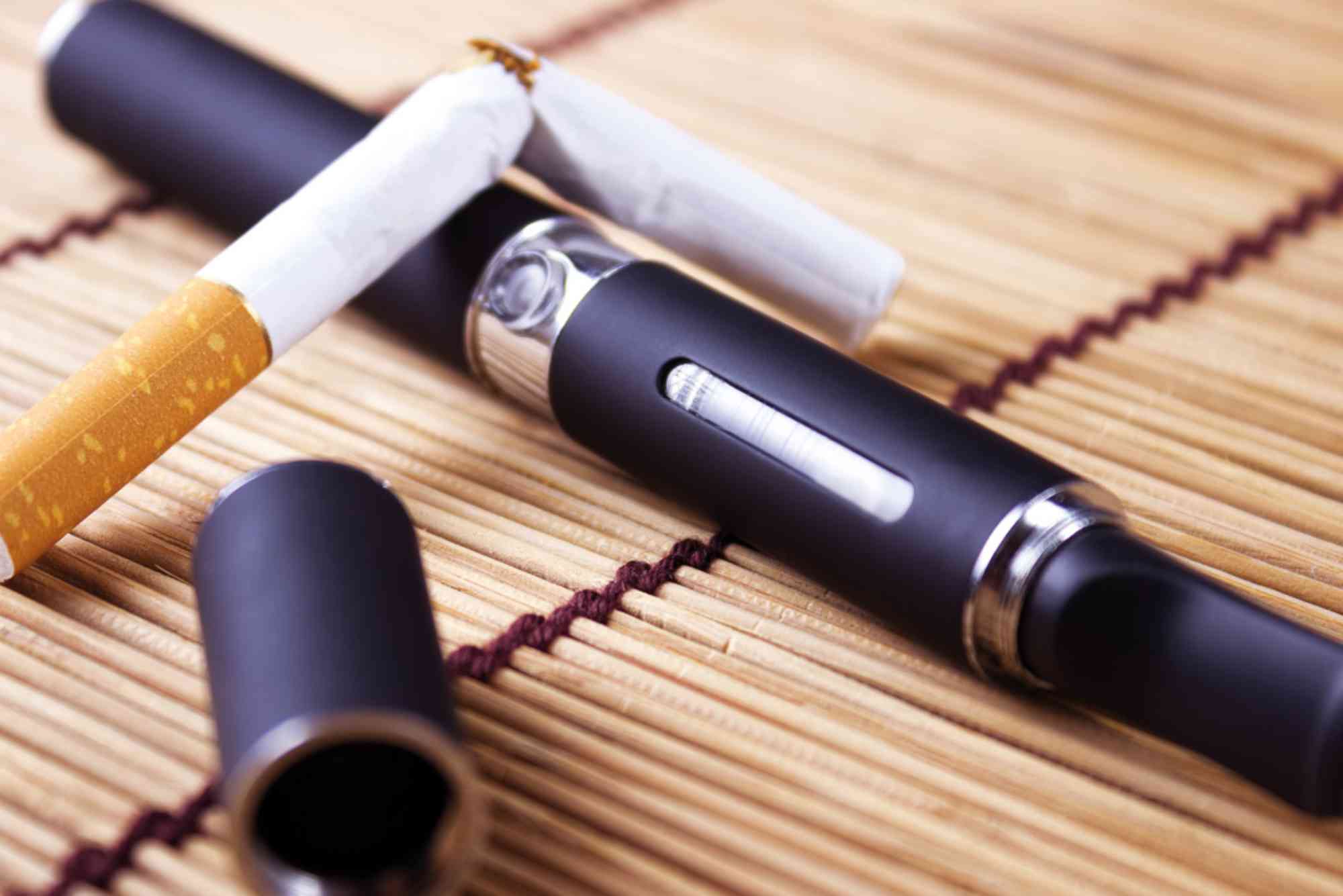
Vaping indoors illegal – Can It Lead the Way in Tobacco Harm Reduction
The debate around vaping indoors illegal – Can It Lead the Way in Tobacco Harm Reduction? continues to grow across workplaces, public spaces, and private venues. Many countries regulate vaping differently from smoking, creating confusion about indoor restrictions.
Supporters argue vaping supports harm reduction for smokers. Critics highlight second-hand aerosol concerns and public health risks. As policies evolve, understanding regulations and health impacts becomes essential.
This article explores legal frameworks, safety evidence, and policy guidance. It also explains how global health authorities approach indoor restrictions and harm reduction strategies.
What Does “Vaping Indoors Illegal” Mean?
In many regions, vaping indoors is restricted under smoke-free laws. Some laws treat vaping like tobacco smoking, while others regulate it separately.
Key Reasons for Restrictions
- Protection from second-hand aerosol exposure
- Maintaining smoke-free workplace standards
- Reducing youth exposure to vaping behaviour
- Aligning policies with public health frameworks
When authorities declare vaping indoors illegal, it usually applies to public buildings, transport, and shared spaces. Private homes remain largely unrestricted unless local laws apply.
However, enforcement differs by country and region. Clarity in legal definitions remains essential.

Is Vaping Safer Than Smoking?
Harm reduction supporters argue vaping produces fewer toxic chemicals than traditional cigarettes.
Scientific Evidence
Research shows:
- Vaping eliminates combustion
- Fewer carcinogens compared to cigarette smoke
- Reduced exposure to tar and carbon monoxide
Despite this, vaping is not risk-free. Long-term data is still developing.
Health experts often describe vaping as a potentially reduced-risk alternative for smokers who cannot quit completely. However, it should not encourage non-smokers or youth to start nicotine use.
This balance drives policy debates around indoor restrictions.
Why Some Governments Ban Vaping Indoors
Many policymakers classify vaping under public health protection rules.
Public Health Concerns
- Unknown long-term aerosol effects
- Potential chemical exposure in enclosed spaces
- Normalisation of nicotine behaviour
- Difficulty distinguishing vape clouds from smoke
Authorities often apply precautionary principles. They extend smoke-free laws to cover vaping to prevent confusion.
Some regions allow designated vaping areas. Others include vaping inside full indoor bans.
Tobacco Harm Reduction and Policy Approaches
Tobacco harm reduction focuses on lowering risks for smokers who switch to safer alternatives.
Organizations like global health institutions evaluate scientific evidence before recommending policy direction.
For example, international guidance supports regulating nicotine products while protecting public health.
You can explore global policy guidance on smoke-free environments and regulatory frameworks through trusted sources such as WHO / smoke-free policies & indoor restrictions guidance
This resource explains international recommendations for protecting people from tobacco smoke and regulating emerging nicotine products.
Can Vaping Indoors Support Harm Reduction?
Some experts argue that banning indoor vaping completely may discourage smokers from switching.
Arguments From Harm Reduction Advocates
- Vaping helps reduce cigarette consumption
- Allowing controlled indoor use may encourage transition
- Visible alternatives promote cessation discussions
However, public health authorities emphasize protecting non-users first.
The challenge lies in balancing individual harm reduction with collective protection.
Policies vary because governments interpret scientific evidence differently.
Health Impact of Second-Hand Vape Exposure
Research continues to study aerosol particles emitted during vaping.
What Studies Suggest
- Short-term exposure shows lower toxin levels than cigarette smoke
- Aerosol contains nicotine, ultrafine particles, and flavour chemicals
- Indoor air quality may decline in poorly ventilated spaces
Children, pregnant individuals, and people with respiratory conditions may face greater sensitivity.
Although risks are lower than second-hand smoke, precaution remains important in enclosed areas.
Legal Status Around the World
Laws differ significantly across countries.
Strict Regulations
Some nations classify vaping the same as smoking:
- Indoor public bans apply
- Advertising restrictions enforced
- Workplace prohibitions included
Moderate Regulations
Other countries:
- Allow vaping in designated zones
- Restrict use in transport
- Separate vaping rules from tobacco laws
Minimal Restrictions
Certain regions impose limited controls, focusing mainly on sales and age limits.
This diversity creates confusion for travellers and businesses.
Workplace Policies and Employer Responsibility
Many companies include vaping rules in employee handbooks.
Common Workplace Approaches
- Total indoor prohibition
- Designated outdoor areas
- Equal treatment with smoking policies
Employers aim to maintain indoor air quality and professional standards.
Clear communication reduces disputes between staff and management.
Public Transport and Hospitality Sector Rules
Transport systems usually enforce strict no-vaping policies.
Airplanes, trains, and buses rarely allow vaping because of safety and air circulation concerns.
Hotels and restaurants often follow local law.
Some hospitality venues permit outdoor vaping sections. Others apply full bans.
Business owners consider customer comfort and regulatory compliance when deciding policy.
Challenges in Enforcement
Even when vaping indoors is illegal, enforcement can be inconsistent.
Common Issues
- Difficulty identifying vape devices
- Limited monitoring resources
- Public misunderstanding of regulations
Authorities rely on awareness campaigns and signage to improve compliance.
Education often proves more effective than punishment.
Future of Vaping Regulations
Policy development continues as scientific evidence expands.
Experts expect:
- More research on long-term health effects
- Standardized product regulations
- Clear differentiation between smoking and vaping laws
Governments may refine indoor restrictions based on new findings.
The conversation about whether vaping indoors illegal supports or limits harm reduction remains ongoing.
Balancing Public Health and Individual Choice
Effective policy requires balance.
Key considerations include:
- Protecting non-users from exposure
- Supporting smokers who switch to lower-risk products
- Preventing youth initiation
- Maintaining transparent regulations
Public consultation plays a major role in shaping fair policies.
Open dialogue between regulators, healthcare professionals, and consumers improves outcomes.
Practical Tips for Vapers
If indoor vaping is restricted in your region:
- Check local laws before using devices indoors
- Respect workplace and public venue policies
- Use designated outdoor areas
- Ask property owners about permitted zones
Compliance prevents fines and misunderstandings.
It also promotes responsible behaviour within shared communities.
The topic of vaping indoors illegal – Can It Lead the Way in Tobacco Harm Reduction? reflects an ongoing global debate.
Evidence suggests vaping may reduce harm compared to smoking. Yet concerns about indoor air quality and public exposure remain significant.
Many governments apply smoke-free principles to vaping for precautionary reasons. Others explore flexible approaches that recognize harm reduction benefits.
Ultimately, effective regulation requires evidence-based decisions, public health priorities, and practical enforcement.
If you want to learn more about global policy guidance on smoke-free environments and regulation, visit trusted international resources through WHO’s official platform.
Stay informed. Follow local laws. Make responsible choices.
The California Vape Ban Law introduces strict regulations aimed at reducing youth access to vaping products and controlling the sale of flavored e-cigarettes across the state. This law focuses on public health protection by limiting marketing practices and enforcing compliance among retailers. Businesses and consumers should stay informed about the latest updates and legal requirements to ensure they follow the guidelines set under the California Vape Ban Law.
FAQ
Is vaping indoors illegal everywhere?
No. Laws vary by country and region. Some places ban it like smoking, while others allow restricted use.
Does vaping produce second-hand harm?
Vaping emits aerosol with lower toxic levels than smoke. However, it still contains nicotine and particles that may affect indoor air quality.
Can vaping reduce tobacco-related harm?
Evidence suggests vaping may reduce exposure to harmful chemicals for smokers who switch completely. It is not risk-free.
Why do some governments ban vaping indoors?
Authorities aim to protect public health, prevent normalisation among youth, and maintain clean indoor air standards.
Are workplaces allowed to set their own vaping rules?
Yes. Employers can enforce policies that restrict or prohibit vaping inside company premises.
Looking for the latest insights, products, and expert guidance in the vaping world? Visit our homepage to explore a wide range of premium vape devices, e-liquids, accessories, and helpful resources designed for both beginners and experienced users. Stay updated with the newest trends, exclusive deals, and detailed product information all in one place. Click through to discover everything you need for a better vaping experience on our main website. vapexplore.com


