Introduction
Traveling internationally with vaping products has become increasingly common, but crossing borders with e-cigarettes, vape devices, or e-liquids is not as straightforward as many travelers assume. Every country has different regulations regarding vaping products, and customs authorities often apply strict rules to imports. Understanding Vape Customs Declaration and Legal Steps before traveling or importing vape products can help you avoid confiscation, fines, shipment delays, or even legal penalties.
Whether you’re carrying a personal vape while traveling or importing products for business purposes, customs laws should never be overlooked. Many travelers mistakenly believe that because vaping is legal in their home country, the same rules apply elsewhere. In reality, customs regulations vary significantly from one destination to another.
This guide explains everything you need to know about Vape Customs Declaration and Legal Steps, including declaration requirements, import documentation, legal compliance, country-specific restrictions, and practical advice for hassle-free international travel.
Understanding Vape Customs Declaration
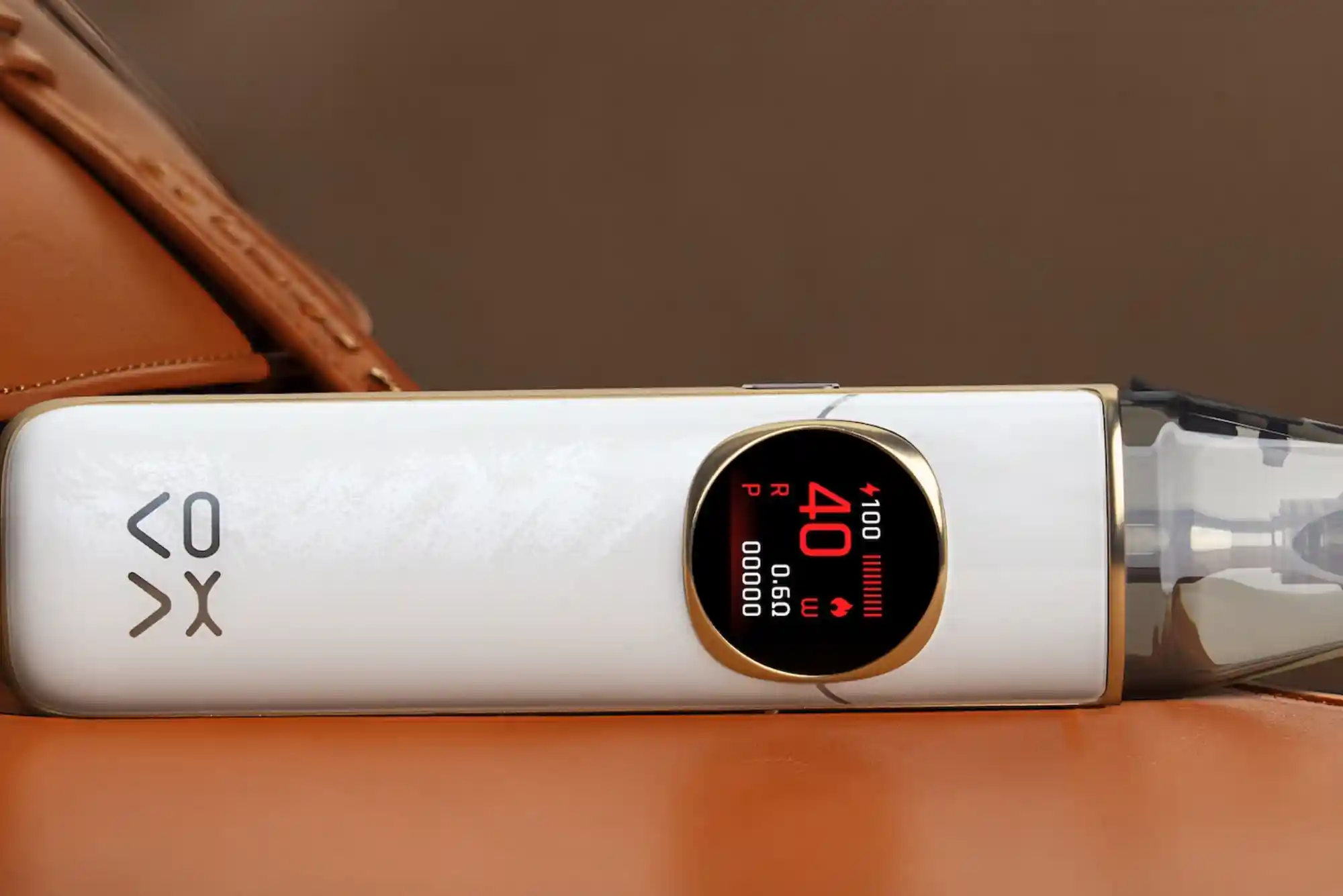
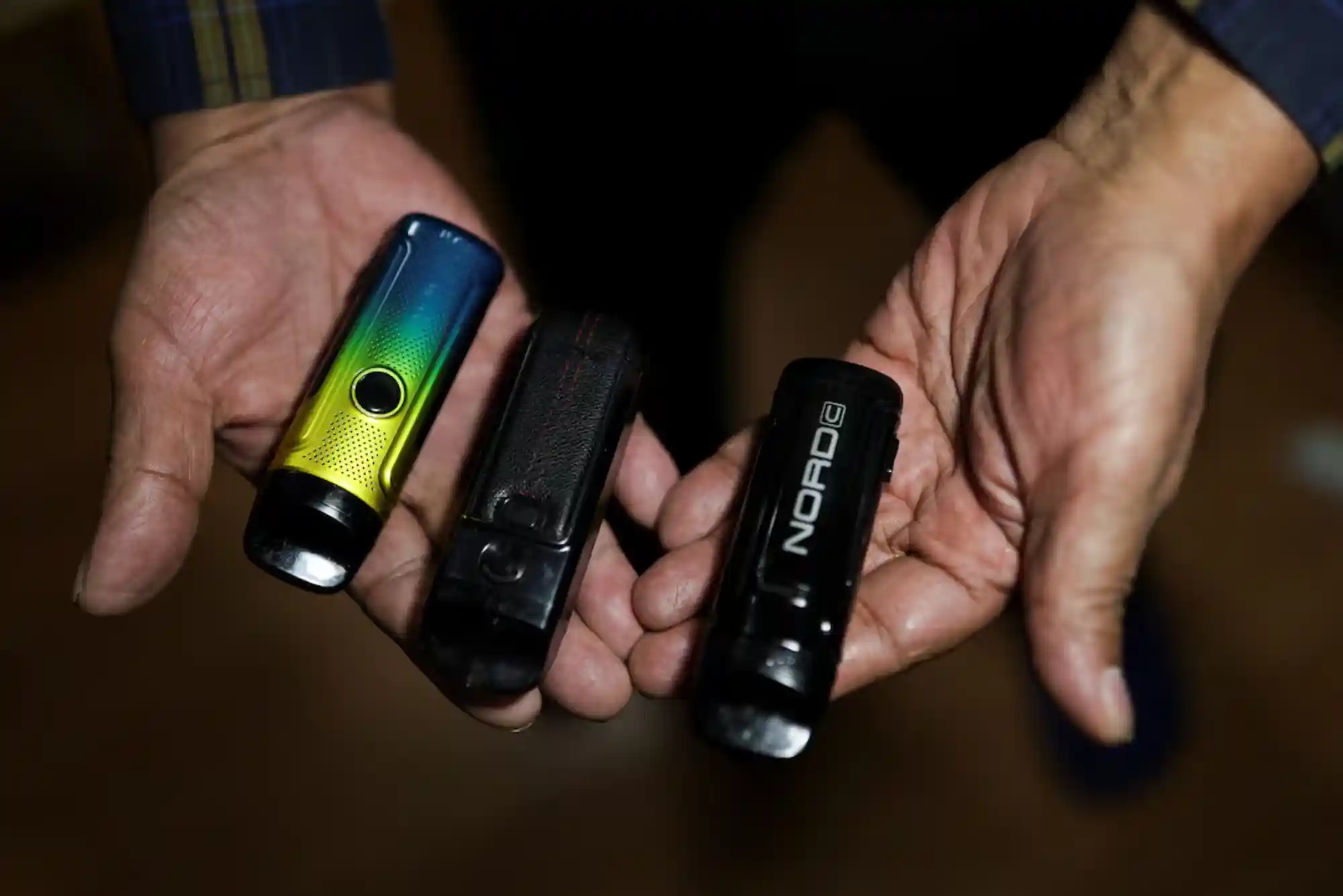
A vape customs declaration is the process of informing customs officials that you are carrying vaping products across an international border. These products may include vape devices, disposable vapes, refillable tanks, e-liquids, nicotine cartridges, batteries, and related accessories.
Customs authorities use declarations to determine whether imported products comply with local laws, taxation requirements, health regulations, and safety standards. Failure to declare items when required may result in penalties even if the products are intended solely for personal use.
Many countries distinguish between personal quantities and commercial imports. While personal-use limits may receive simpler processing, larger quantities typically require additional documentation and regulatory approval.

Why Customs Rules for Vape Products Matter
Governments regulate vaping products for several reasons. Public health concerns, taxation policies, consumer safety, and product quality standards all influence import regulations.
Some countries permit vaping with relatively few restrictions, while others completely ban the sale, import, possession, or use of e-cigarettes. Customs officers are responsible for enforcing these national regulations at airports, seaports, and land borders.
Ignoring local laws can lead to unnecessary travel disruptions that are easily avoided through proper research before departure.
Knowing the Difference Between Personal Use and Commercial Imports
One of the most important aspects of Vape Customs Declaration and Legal Steps is understanding whether customs considers your shipment personal or commercial.
Travelers carrying a single vape device and a reasonable amount of e-liquid for personal consumption usually face fewer requirements than businesses importing hundreds of products for retail sale.
Commercial imports often require business registration, import licenses, product testing documentation, tax registration, customs brokerage services, and compliance with national labeling regulations.
Even frequent travelers should recognize that carrying unusually large quantities could attract additional scrutiny from customs authorities.
Legal Documentation Required for Vape Imports
The exact documentation depends on the destination country and the nature of the shipment.
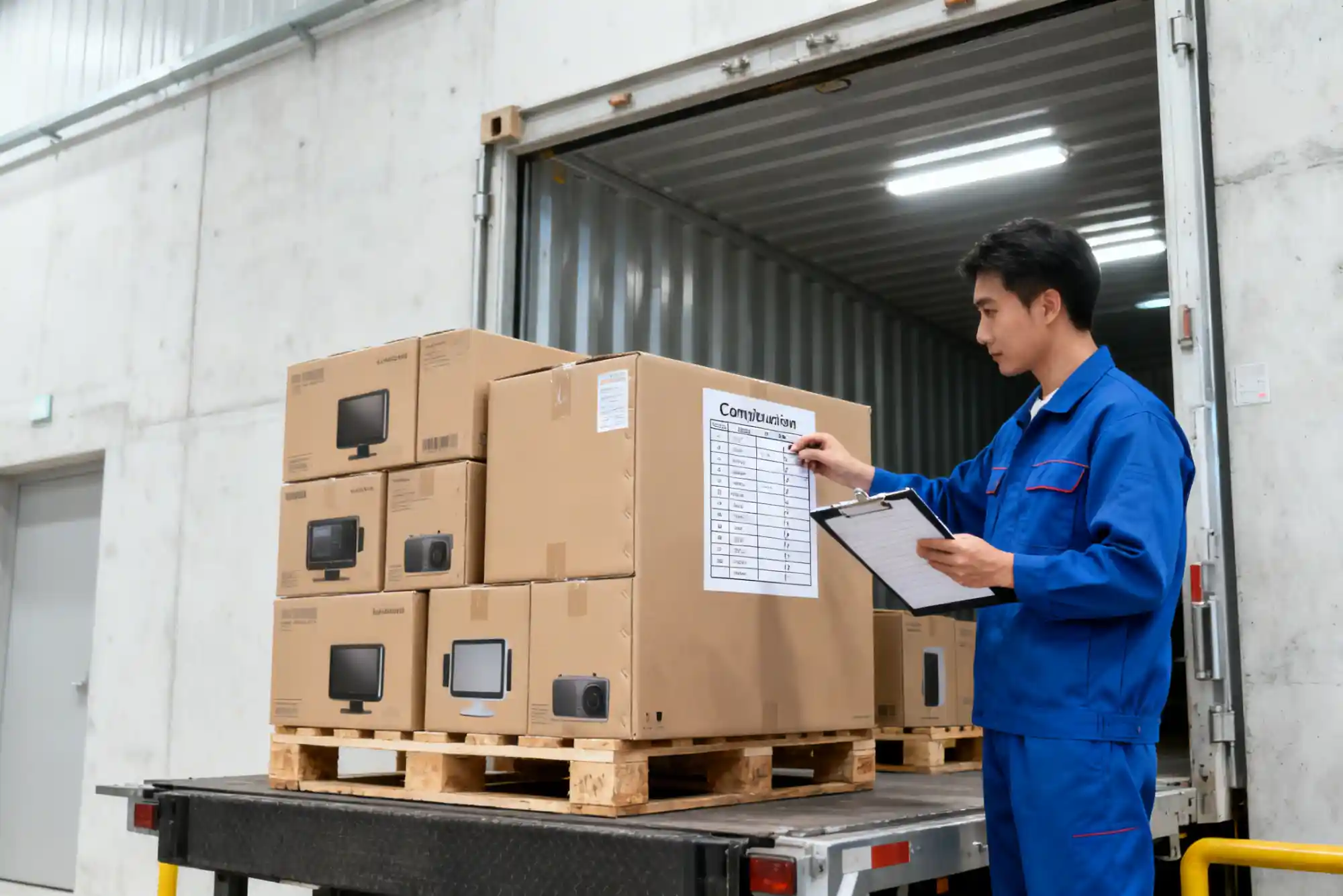
Commercial importers generally prepare invoices, packing lists, customs declarations, certificates of origin, shipping documents, import permits, product specifications, and tax documentation.
Some countries also require manufacturers to provide laboratory testing reports that verify nicotine concentrations, ingredient safety, packaging standards, and warning labels.
Keeping accurate paperwork reduces the likelihood of shipment delays and customs inspections.
Country-Specific Vape Regulations
There is no universal law governing vape imports. Every country establishes its own regulations regarding nicotine products and electronic cigarettes.
Some countries freely allow vape products with standard customs declarations.
Others impose restrictions on nicotine strength, bottle sizes, packaging, advertising, flavors, or online sales.
Certain destinations prohibit vaping products entirely, making importation illegal regardless of quantity.
Before traveling internationally, always verify the latest regulations through official government sources because laws frequently change.
Airport Customs Procedures for Travelers
Airports remain the most common point where travelers encounter vape customs regulations.
Security officers generally require vape batteries and devices containing lithium-ion batteries to be packed in carry-on baggage rather than checked luggage because of aviation safety rules.
E-liquids must typically comply with liquid restrictions for cabin baggage, while larger quantities should follow airline-specific baggage policies.
Upon arrival, customs officials may ask questions regarding ownership, intended use, quantity, and purchase documentation.
Honest declarations generally lead to smoother processing than attempting to conceal vaping products.
Shipping Vape Products Internationally
International shipping introduces additional legal considerations beyond personal travel.
Courier companies often require customs declarations describing the shipment contents accurately. Incorrect descriptions can result in customs holds or shipment rejection.
Many countries require import taxes, customs duties, or value-added tax before packages are released to recipients.
Businesses should also verify that carriers accept vape shipments since some logistics companies have specific restrictions for nicotine products.
Understanding Import Duties and Taxes
Many governments classify vape products as taxable tobacco-related products or electronic consumer goods.
Importers may be responsible for customs duties, excise taxes, sales taxes, or value-added taxes depending on local legislation.
Tax calculations usually depend on product value, quantity, nicotine content, and product classification under national customs codes.
Accurate declarations help avoid unexpected financial penalties.
Product Labeling Requirements
Legal compliance extends beyond customs paperwork.
Many countries require imported vape products to display health warnings, ingredient information, nicotine concentration, manufacturer details, batch numbers, child-resistant packaging, and local-language labeling.
Products that fail labeling inspections may be refused entry even if customs documentation is complete.
Importers should verify packaging requirements before shipping products internationally.
Age Restrictions and Consumer Protection Laws
Most countries prohibit the sale of vaping products to minors.
Customs agencies may cooperate with consumer protection authorities to ensure imported products comply with age-verification requirements and retail regulations.
Businesses should understand these obligations before importing inventory for commercial distribution.
Health Agency Compliance
Several national health agencies regulate electronic nicotine products alongside customs authorities.
In the United States, imported vaping products may also fall under federal tobacco regulations.
Businesses planning to import products into the U.S. should review FDA vape import and customs guidance available at to understand regulatory expectations before shipping products.
Reviewing official guidance helps reduce compliance risks and improves import planning.
Common Customs Mistakes to Avoid
Many customs issues arise from simple misunderstandings rather than intentional violations.
Travelers sometimes assume disposable vapes require no declaration, forget to declare nicotine-containing e-liquids, or underestimate local restrictions.
Businesses occasionally misclassify products, omit invoices, provide incomplete descriptions, or overlook required import licenses.
Careful preparation minimizes delays and protects shipments from unnecessary inspections.
How Customs Officers Inspect Vape Shipments
Customs inspections vary depending on country, shipment value, and risk assessment.
Officials may examine product packaging, invoices, nicotine concentrations, battery specifications, labeling, declared values, and import documentation.
High-value shipments may undergo more detailed inspections, while routine personal travel quantities often receive faster processing if properly declared.
Maintaining complete documentation demonstrates good faith and supports smoother customs clearance.
Business Compliance Best Practices
Companies involved in importing vape products should establish reliable compliance procedures.
Regularly reviewing changing regulations, maintaining accurate records, working with experienced customs brokers, and monitoring product labeling requirements significantly reduce legal risks.
Importers should also maintain communication with manufacturers to ensure products meet destination-country standards before shipment.
Strong compliance systems help businesses avoid costly shipment delays and regulatory enforcement actions.
Future Trends in Vape Customs Regulations
Global regulation of vaping products continues to evolve.
Looking for trusted vaping information and the latest industry updates? VapExplore for expert guides, product reviews, vaping tips, and trend insights designed for beginners and experienced users alike.
Understanding Vape Customs Declaration and Legal Steps is essential for anyone traveling internationally or importing vaping products. Customs authorities enforce national laws designed to protect consumers, collect taxes, and regulate nicotine products. Proper declarations, complete documentation, accurate labeling, and compliance with destination-country regulations greatly reduce the risk of fines, shipment delays, or confiscation.
FAQs
Do I have to declare my vape at customs?
In many countries, yes. If customs declaration forms request electronic cigarettes, tobacco alternatives, or restricted goods, you should declare your vape products honestly.
Can I travel internationally with disposable vapes?
Many countries allow disposable vapes for personal use, but some prohibit them entirely. Always check your destination’s regulations before departure.
Can customs confiscate vape products?
Yes. Customs officers may confiscate vape products that violate local laws, exceed personal-use limits, lack proper documentation, or fail regulatory requirements.
Are nicotine vapes treated differently from nicotine-free vapes?
Often yes. Nicotine-containing products are frequently subject to stricter customs regulations, health requirements, and taxation than nicotine-free alternatives.
Can I ship vape products internationally?
Yes, but international shipments must comply with customs regulations, carrier policies, import laws, labeling requirements, and applicable taxes in both the exporting and importing countries.
Do all countries allow vape imports?
No. Some countries restrict or completely prohibit the import, sale, possession, or use of vaping products. Always verify the current regulations before traveling or shipping products internationally.
Related Reading: Vape Import Bans and Customs Confiscation
Related Reading: Vape Legal Cases That Changed the Industry
Related Reading: Vape Device Safety Standards: Legal Checklist
Related Reading: Vape Product Storage and Legal Requirements
Related Reading: Vape Manufacturer Registration Walkthrough — full guide
Related Reading: Vape Retailer Inspection Procedures by State
Related Reading: Vape Policy Reform in the United States: 2025 Outlook — full guide