Introduction
Vape policy reform in the United States entered 2025 as a complex and rapidly evolving issue. Federal regulators, state lawmakers, public-health organizations, retailers, manufacturers, and adult consumers all have a stake in how electronic cigarettes are regulated. Rather than moving toward one simple national framework, the U.S. regulatory environment continues to combine federal requirements with a growing patchwork of state and local rules.
At the federal level, the Food and Drug Administration (FDA) regulates electronic nicotine delivery systems (ENDS) as tobacco products. Manufacturers and importers can face requirements involving premarket authorization, manufacturing, marketing, and enforcement, while retailers must pay close attention to age restrictions and the legality of the products they sell.
Meanwhile, states continue to develop their own approaches to taxation, licensing, packaging, retail sales, smoke-free policies, and youth access. The Public Health Law Center’s 2025 50-state review demonstrates how different these requirements can be across jurisdictions.
Understanding the direction of vape policy reform therefore requires looking beyond one federal rule. The 2025 outlook is best understood as a period of stronger enforcement, greater attention to product authorization, and continued state-level experimentation.
What Is Driving Vape Policy Reform in 2025?
Several forces are shaping vape policy reform in the United States. One of the most important is concern about youth access and the availability of unauthorized flavored products.
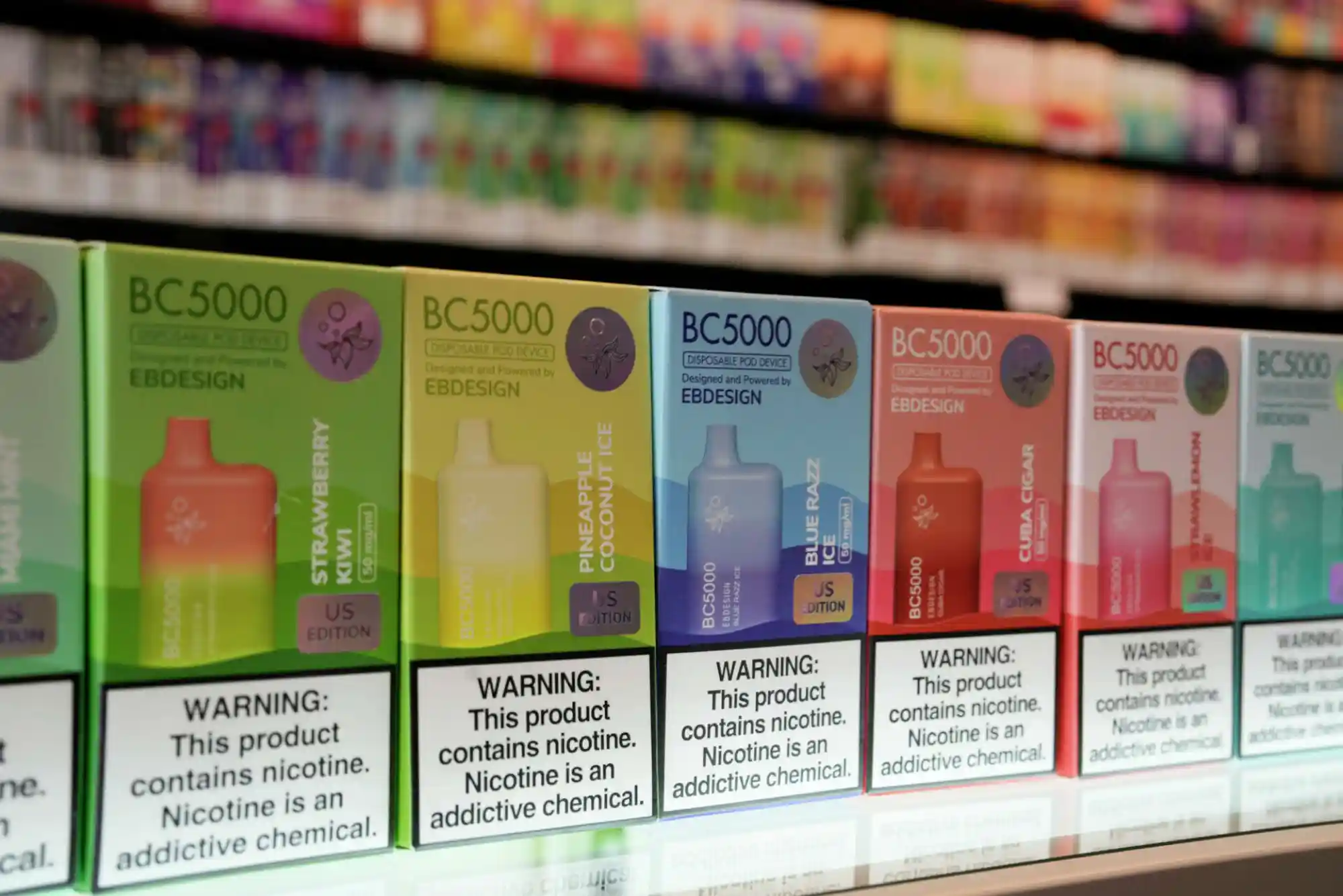
The FDA has continued to emphasize that only tobacco products meeting applicable legal requirements may be marketed in the United States. Enforcement attention has increasingly focused on products that appear to be unauthorized, particularly products designed with youth-oriented flavors, packaging, or features.

In September 2025, FDA Commissioner Marty Makary urged retailers to stop selling illegal vaping products and highlighted concerns about products marketed to young people. The agency said that many unauthorized products were being imported and sold despite not having FDA authorization.
This enforcement emphasis is important because vape policy reform is not simply about creating new laws. It is also about improving implementation of existing requirements.
Federal Oversight Remains Central
The FDA’s tobacco authorities provide the foundation for federal regulation. Under the federal framework, electronic cigarettes, e-liquids, and related products can fall within the definition of tobacco products when they meet applicable statutory criteria.
The Premarket Tobacco Product Application (PMTA) pathway is particularly important for manufacturers. Companies generally need authorization before legally marketing new tobacco products in the United States. This has made regulatory documentation, product records, ingredient information, manufacturing controls, and marketing practices increasingly important.
For businesses, the practical lesson is straightforward: regulatory compliance should be treated as an ongoing business function rather than a one-time application.
The Growing Importance of State Vape Laws
Federal regulation is only one part of the picture. State governments continue to introduce requirements that can significantly affect vape retailers, distributors, manufacturers, and consumers.
The Public Health Law Center’s 50-state e-cigarette regulation review provides a useful snapshot of state and territorial laws covering areas such as definitions, taxation, packaging, youth access, retail restrictions, and licensing. Its June 15, 2025 update demonstrates how widely requirements can differ between jurisdictions.
This variation is one of the biggest challenges for businesses operating across multiple states.
State Taxes and Licensing
State taxation is an important part of vape policy reform. Some jurisdictions impose specific taxes on e-cigarettes or nicotine products, while others use different approaches.
Licensing is another major consideration. A retailer operating legally in one state may still need a separate permit, registration, or license when selling products in another jurisdiction.
For example, Oregon’s 2025 framework included a tax on inhalant delivery systems and licensing requirements, while Maine required retail licensing for tobacco products that include electronic smoking devices.
These differences make state-by-state compliance essential.
Packaging and Product Requirements
Packaging rules can also vary. Child-resistant packaging, labeling requirements, product descriptions, and restrictions on certain marketing practices may apply depending on the jurisdiction.
Businesses should avoid assuming that compliance with federal requirements automatically satisfies every state requirement. State legislation can impose additional obligations, and local governments may establish further restrictions.
Youth Access Will Remain a Major Policy Priority
Youth prevention is likely to remain one of the strongest drivers of vape policy reform.
Federal and state authorities have continued to focus on preventing underage sales and reducing youth exposure to vaping products. The federal minimum legal sales age for tobacco products, including e-cigarettes, is 21, while states may impose additional retail controls and enforcement mechanisms.
State regulations can cover age verification, vending machines, self-service displays, online sales, retailer licensing, and penalties for violations.
The policy challenge is finding effective methods of preventing youth access while maintaining clear rules for lawful adult consumers and responsible businesses.
Online Sales Face Additional Scrutiny
Online vape sales create additional compliance questions because sellers may need to verify customer age, comply with delivery restrictions, and follow state-specific tax and licensing requirements.
Businesses selling across state lines therefore need more than a basic age-verification system. They must understand where products may legally be sold, what products are permitted, and what obligations apply to shipment and delivery.
Flavor Restrictions and Marketing Rules
Flavored vaping products remain one of the most debated subjects in U.S. tobacco policy.
Supporters of restrictions often point to concerns about youth appeal, while other stakeholders argue that flavors can play a role in helping adult smokers transition away from combustible cigarettes. This disagreement has contributed to different state and local approaches.
Some jurisdictions have adopted restrictions on flavored tobacco products, while others have not. The result is another major source of regulatory variation.
For businesses, the important point is that product flavor should never be treated as a simple marketing decision. A flavor that can be legally sold in one market may be restricted in another.
FDA Authorization and the Legal Vape Market
One of the most significant issues influencing vape policy reform is the distinction between authorized and unauthorized products.
FDA’s regulatory framework requires manufacturers to navigate the premarket process for new tobacco products. The agency’s ENDS resources also distinguish responsibilities that can apply to manufacturers, importers, and retailers.
This creates a compliance chain extending from product development to retail shelves.
Why Product Documentation Matters
Manufacturers should maintain accurate records covering ingredients, manufacturing processes, product specifications, packaging, labeling, and regulatory submissions.
Retailers and distributors should also establish procedures for checking the legality and documentation of products supplied to them. Selling a product simply because it is widely available does not necessarily mean the product is legally authorized for sale.
This is particularly important as enforcement becomes more visible.
The Role of Enforcement in Vape Policy Reform
Regulation only works when rules are enforceable. In 2025, enforcement became an increasingly visible part of the vaping policy debate.
The FDA has warned retailers about unauthorized vaping products and encouraged businesses to remove illegal products from their shelves.
This suggests a broader shift from simply establishing regulatory frameworks toward improving compliance throughout the supply chain.
Retailers can respond by developing documented compliance procedures. These may include supplier verification, product recordkeeping, age-verification controls, staff training, and regular reviews of federal and state requirements.
What Vape Businesses Should Expect
For businesses, the 2025 outlook points toward greater regulatory complexity rather than a single sweeping national reform.
A vape retailer may need to consider federal product authorization, state licensing, state taxes, local restrictions, packaging rules, age verification, marketing limitations, and online sales requirements simultaneously.
Compliance Will Become More Data-Driven
Technology can help businesses manage this complexity. Digital compliance systems can track product information, organize documentation, monitor regulatory changes, and create internal records.
However, technology does not replace legal review. Automated systems should support compliance teams rather than become the sole source of regulatory decisions.
Supply-Chain Verification Will Matter More
Retailers and distributors should increasingly evaluate where products come from and whether suppliers can provide reliable documentation.
A stronger supply-chain process can reduce the risk of unintentionally purchasing or distributing products that are unauthorized or restricted in a particular market.
Will the U.S. Move Toward a Uniform Vape Policy?
A completely uniform national vape policy appears difficult because states have historically exercised substantial authority over tobacco retail practices, taxation, public-health protections, and licensing.
The 2025 state regulatory landscape illustrates this clearly. Some states impose significant taxes or licensing requirements, while others take different approaches to product definitions and retail controls.
For that reason, future vape policy reform is likely to involve both federal developments and continued state-level policymaking.
Rather than one national rule replacing everything else, the United States may continue developing a layered system in which federal authorization operates alongside state and local requirements.
The Consumer Perspective
Consumers also have an important role in the changing regulatory environment.
Legal compliance can help consumers distinguish regulated products from products that may have entered the market through unauthorized channels. Consumers should pay attention to retailer reputation, product labeling, and applicable age requirements.
The regulatory debate also reinforces the importance of accurate health information. E-cigarettes are not risk-free products, and regulatory authorization should not be interpreted as a declaration that a product is harmless.
FDA continues to provide information about ENDS, including youth prevention and product safety considerations.
What Could Define Vape Policy Reform Beyond 2025?
The longer-term direction of vape policy reform will likely depend on several competing priorities: preventing youth use, controlling unauthorized products, regulating manufacturers, protecting consumers, and considering the role of less harmful alternatives for adults who smoke combustible cigarettes.
The balance between these objectives will remain controversial.
For businesses, the safest approach is to prepare for change rather than wait for enforcement action. Regulatory monitoring, documentation, staff training, and supplier verification can make it easier to adapt when requirements change.
For policymakers, the challenge will be creating rules that are enforceable, evidence-informed, and clear enough for businesses and consumers to understand.
Preparing for the Next Phase of Vape Regulation
The 2025 outlook for vape policy reform points toward a U.S. market defined by stronger oversight, increased attention to unauthorized products, continued youth-access restrictions, and significant state-by-state differences.
There is unlikely to be a single compliance rule that works everywhere. Businesses must consider federal requirements alongside state and local laws, while consumers should understand that product availability does not automatically mean legal authorization.
The most practical response is proactive compliance. Retailers, manufacturers, and distributors should regularly review applicable rules, verify suppliers, maintain accurate documentation, and monitor regulatory developments.
Vape Compliance Automation for Businesses helps companies manage regulatory requirements more efficiently by automating documentation, age verification, product tracking, and compliance checks. By reducing manual processes and improving record accuracy, businesses can save time, minimize errors, and stay prepared as vape regulations continue to evolve.
FAQs
Are vapes legal in the United States?
Vapes are not universally prohibited in the United States, but their manufacture, marketing, sale, and distribution are subject to federal, state, and sometimes local requirements. A product’s legality can depend on its regulatory status and the jurisdiction where it is sold.
Are e-cigarettes regulated by the FDA?
Yes. The FDA regulates e-cigarettes and other electronic nicotine delivery systems that fall within federal tobacco-product authority. Manufacturers and retailers can have different responsibilities under the federal framework.
What is the legal age to buy a vape in the U.S.?
Federal law sets the minimum legal sales age for tobacco products, including e-cigarettes, at 21. States and local jurisdictions can impose additional requirements concerning sales and access.
Are flavored vapes legal in the U.S.?
The answer depends on the product and jurisdiction. Federal authorization requirements apply, while some states and local governments have adopted additional restrictions on flavored tobacco products. Businesses should check the rules applicable to their specific market.
Does the FDA approve all vape products?
No. Products available in the marketplace are not automatically FDA-authorized. FDA regulates the tobacco-product market and uses mechanisms such as the premarket tobacco application pathway for new tobacco products.
Why are vape laws different from state to state?
States can establish their own tobacco-control requirements, including taxes, retail licenses, packaging rules, sales restrictions, and smoke-free policies. The resulting regulatory landscape differs significantly between jurisdictions.
What should vape retailers do when regulations change?
Retailers should review federal and state requirements, verify the regulatory status of products, update employee training, check age-verification procedures, and maintain accurate supplier and product records. Professional legal advice may also be appropriate when a rule is unclear or enforcement risk is significant.
VapeExplore offers useful insights into vaping, including product information, industry trends, safety considerations, and helpful guides. Whether you are researching vaping products or looking to understand the latest developments in the industry, VapExplore provides accessible content for readers seeking reliable and informative resources online.
Related Reading: Vape Transport Law for Distributors
Related Reading: Vape Retailer Inspection Procedures by State
Related Reading: Vape Taxation Trends 2025 2026
Related Reading: Vape Sales and Age Limit Enforcement — full guide
Related Reading: Vape Manufacturer Registration Walkthrough
Related Reading: Vape Marketing Restrictions by Federal Law
Related Reading: Vape Marketing Restrictions by Federal Law — full guide