Introduction
The vape industry oversight and auditing growth is becoming an increasingly important part of the global nicotine-product market. As governments strengthen regulations, regulators and businesses are placing greater emphasis on product authorization, manufacturing controls, advertising practices, age restrictions, labeling, imports, and supply-chain transparency. The result is a market where compliance is no longer simply a legal requirement; it is becoming an important part of responsible business management.
In the United States, the Food and Drug Administration (FDA) regulates the manufacture, import, packaging, labeling, advertising, promotion, sale, and distribution of electronic nicotine delivery systems (ENDS), including many components and parts. This expanding regulatory environment is helping drive demand for structured audits, better documentation, and stronger internal compliance systems.
Why Vape Industry Oversight Is Growing
The vape market has developed rapidly, creating challenges for regulators attempting to monitor thousands of products, manufacturers, retailers, importers, and distributors. New device designs, changing formulations, international supply chains, online sales, and digital advertising can make traditional regulatory approaches difficult.
The growth of vape industry oversight and auditing reflects this changing environment. Regulators increasingly need reliable information about what products are entering the market, how they are marketed, who is selling them, and whether businesses are meeting applicable requirements.
In the United States, FDA compliance activities cover manufacturers, retailers, importers, and distributors. The agency states that it monitors industry compliance and can take regulatory or enforcement action when violations occur.
This means businesses can no longer view compliance as something that happens only when an inspection occurs. A stronger approach is to maintain an ongoing system that identifies potential problems before they become regulatory issues.

The Role of Auditing in the Vape Industry
Auditing provides businesses with a structured way to examine whether their operations match applicable laws, regulations, internal policies, and documented procedures.
A well-designed audit can examine areas such as product records, supplier documentation, manufacturing controls, packaging, labeling, advertising, age-verification procedures, distribution records, and inventory management. The exact requirements depend on the jurisdiction and the type of business involved.
For companies operating in highly regulated markets, regular internal reviews can also create a useful record of how compliance decisions were made. This becomes particularly valuable when regulations change or when regulators request information.
The continuing vape industry oversight and auditing growth therefore has two sides. Regulators are increasing their ability to identify potential violations, while responsible businesses are investing in systems that make compliance easier to demonstrate.
FDA Oversight and Vape Compliance
The FDA is one of the most influential regulatory authorities affecting the U.S. vape market. Its oversight extends to many ENDS products and their components. Businesses need to understand the difference between products that have appropriate marketing authorization and products that may be subject to enforcement.
For a practical introduction to the regulatory framework, businesses can review the FDA’s FDA e-cigarette regulation overview. The FDA explains that regulated ENDS can include e-liquids, cartridges, atomizers, certain batteries, tanks, mouthpieces, flavorings, and programmable software.
The regulatory environment is also changing. In May 2026, the FDA announced the authorization of four additional ENDS products through the premarket tobacco product application pathway. Such developments demonstrate why companies need current regulatory information rather than relying on outdated assumptions.
How Vape Audits Are Changing
Traditional compliance audits often focused heavily on physical facilities and paperwork. Modern vape industry oversight and auditing growth is broader because businesses now operate across physical and digital environments.
Digital Marketing Audits
Advertising and promotional content can be reviewed across websites, social media platforms, email campaigns, online marketplaces, and other digital channels. Businesses need processes for checking whether promotional material complies with applicable requirements.
Digital auditing can also help companies identify outdated claims or advertisements that remain online after a product, campaign, or regulatory position has changed.
Supply-Chain Audits
International supply chains create another layer of compliance complexity. Manufacturers may source components from multiple countries, while distributors and retailers may handle products from numerous suppliers.
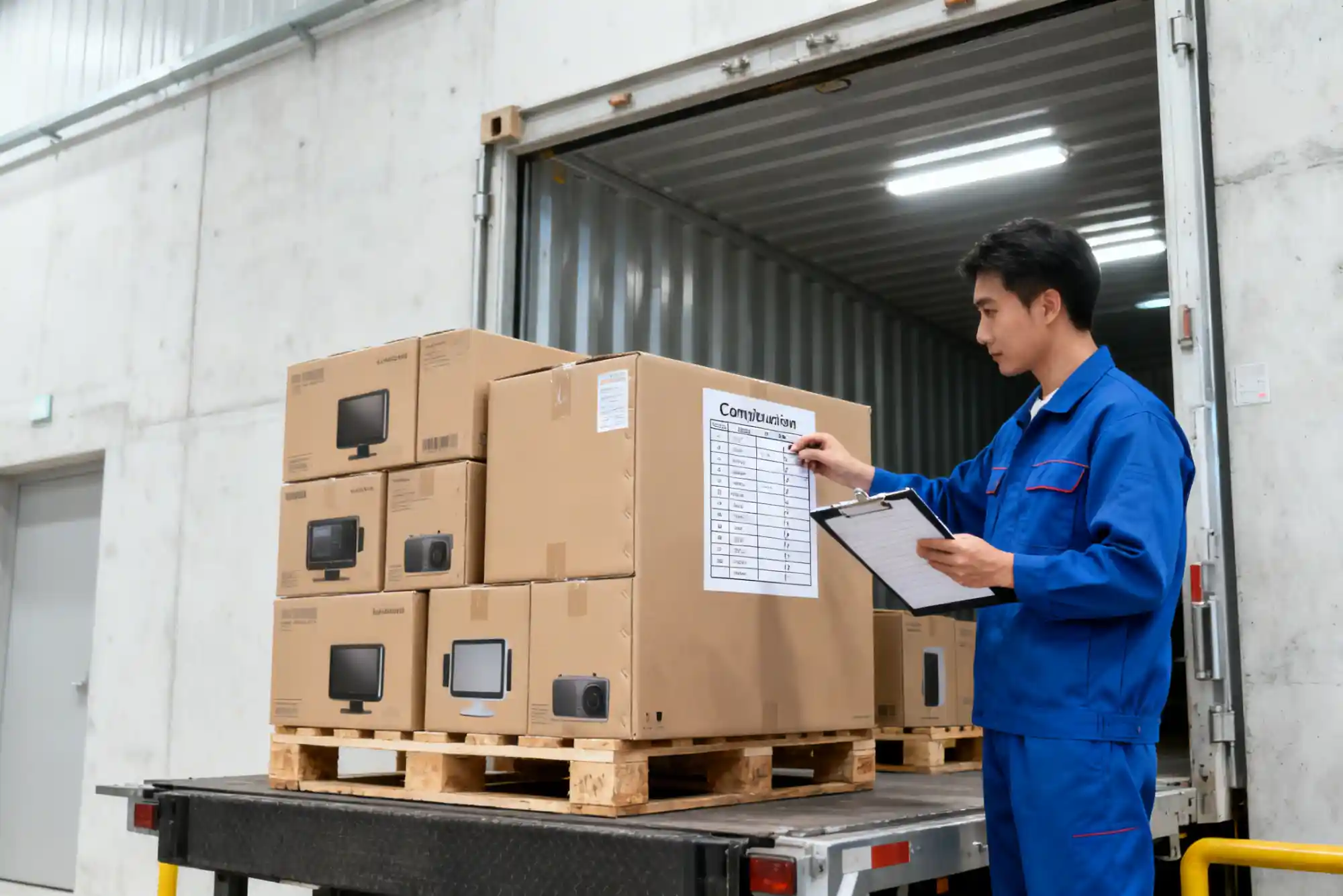
A supply-chain audit can examine supplier records, product documentation, shipping information, manufacturing details, and other evidence needed to establish where products came from and how they entered the market.
The FDA proposed a rule in June 2026 intended to strengthen its ability to identify illegal foreign tobacco products and conduct on-site inspections abroad if the proposal is finalized. This illustrates why international supply-chain transparency is becoming increasingly important.
Retail Compliance Audits
Retailers represent a critical point between regulated products and consumers. Audits can examine age-verification procedures, product inventories, documentation, promotional materials, and staff training.
Retail compliance has received significant attention because unauthorized products can enter stores through complex distribution networks. The FDA has specifically encouraged retailers to stop selling illegal vape products and has used compliance initiatives to address unlawful sales.
Technology Is Accelerating Compliance Auditing
Technology is becoming an important part of the vape industry oversight and auditing growth. Businesses can use digital systems to organize product information, monitor documentation, track supplier records, and maintain evidence of compliance activities.
Automated monitoring can also help organizations identify potentially problematic digital advertising. Research has demonstrated that machine-learning systems can be used to identify vaping-related social media content and evaluate warning-label compliance at scale.
For larger organizations, technology can reduce the amount of manual work required to review large amounts of information. Instead of relying exclusively on periodic manual inspections, businesses can build continuous monitoring processes that highlight unusual activity or missing documentation.
Technology does not eliminate the need for human review. Regulatory decisions often require context and legal interpretation. However, automated systems can help compliance teams focus their attention where it is most needed.
Why Documentation Matters More Than Ever
A business may have strong compliance practices but still face difficulties if it cannot demonstrate what it did and why it did it.
Documentation provides evidence. Records can show when products were reviewed, who approved marketing material, how suppliers were evaluated, when staff received training, and how potential compliance problems were addressed.
The growth of auditing therefore encourages businesses to treat documentation as part of daily operations rather than as paperwork created shortly before an inspection.
A mature compliance program should make records accessible, consistent, accurate, and easy to review. Businesses should also establish retention procedures appropriate to the laws and regulations applicable to their operations.
The Growth of Targeted Regulatory Inspections
Regulatory agencies are also exploring more targeted approaches to inspections. In May 2026, the FDA announced a pilot involving one-day inspectional assessments designed to complement standard inspections and expand surveillance coverage. The agency said the approach could allow it to assess more facilities while focusing resources where they are most needed.
This development is significant for businesses because compliance cannot be based solely on preparing for a lengthy scheduled inspection. Shorter, focused assessments can examine specific risk areas and may require companies to have reliable records available at any time.
The continuing vape industry oversight and auditing growth is therefore moving toward more frequent, targeted, and data-informed compliance monitoring.
Challenges Facing Vape Businesses
Increasing oversight creates legitimate challenges for businesses. Smaller companies may not have dedicated compliance departments, while international businesses may need to understand several regulatory systems simultaneously.
Another challenge is regulatory change. Rules, guidance documents, enforcement priorities, and market authorization decisions can evolve over time.
For example, the FDA published updated enforcement-priority guidance in May 2026 addressing certain new tobacco products marketed without premarket authorization. The agency also notes that guidance documents generally describe its current thinking and do not themselves establish legally enforceable responsibilities unless specific statutory or regulatory requirements are cited.
This distinction matters. Businesses should not treat every regulatory announcement as equivalent to a new law. Instead, compliance teams should identify the underlying legal requirement, understand applicable guidance, and obtain qualified legal or regulatory advice when necessary.
Building a Stronger Vape Compliance Program
Businesses responding to the vape industry oversight and auditing growth should focus on creating a repeatable compliance process rather than relying on individual employees to remember every requirement.
A strong program begins with regulatory mapping. Companies should identify which jurisdictions they operate in and determine which requirements apply to their products, facilities, marketing channels, suppliers, and distribution activities.
The next step is establishing clear internal responsibilities. Employees should understand who reviews products, who approves marketing materials, who maintains records, and who handles regulatory communications.
Training is equally important. Employees working in manufacturing, sales, marketing, warehousing, customer service, and procurement may all influence compliance.
Finally, companies should schedule periodic internal audits. The purpose should not simply be to find mistakes. An effective audit identifies weaknesses, assigns corrective actions, tracks completion, and helps prevent the same issue from returning.
The Business Value of Better Oversight
Compliance is often discussed as a cost, but effective oversight can also provide business advantages.
A company with reliable documentation can respond more efficiently to regulatory questions. Strong supplier controls can reduce uncertainty in the supply chain. Consistent product records can make internal decision-making easier. Clear marketing approval processes can reduce the possibility of unauthorized claims.
Better oversight can also strengthen relationships with legitimate business partners. Distributors, retailers, investors, and other stakeholders may place greater confidence in companies that can demonstrate organized compliance practices.
As the vape industry oversight and auditing growth continues, regulatory readiness may increasingly become a competitive characteristic rather than simply a defensive measure.
The Future of Vape Industry Auditing
The future of vape industry oversight and auditing growth will likely involve greater use of technology, data analysis, digital monitoring, supply-chain verification, and targeted inspections.
Regulators are already demonstrating interest in improving surveillance efficiency. At the same time, businesses have access to increasingly sophisticated tools for tracking products, documentation, advertising, and supplier information.
Artificial intelligence and automated monitoring may become more useful for identifying patterns across large datasets. However, human oversight will remain essential because regulatory compliance involves legal interpretation, risk assessment, and decisions that cannot always be reduced to automated rules.
The most successful businesses will likely be those that treat compliance as an ongoing management function rather than a one-time exercise.
Preparing for the Next Stage of Vape Oversight
The vape industry oversight and auditing growth reflects a broader transformation in how electronic nicotine products are monitored. Regulators are increasing surveillance, focusing resources on higher-risk activities, and developing new approaches to identify unauthorized products and compliance failures.
For businesses, the response should be practical: understand the rules that apply, maintain accurate documentation, monitor suppliers and marketing channels, train employees, conduct regular internal audits, and respond quickly when weaknesses are identified.
Vape Trade Fair Legal Compliance is essential for exhibitors, retailers, and organisers attending industry events. Understanding local laws, product regulations, age restrictions, advertising rules, labelling requirements, and licensing obligations helps businesses avoid penalties while maintaining responsible and compliant trade practices.
FAQs
What is the FDA doing about e-cigarettes?
The FDA regulates many aspects of ENDS products in the United States, including manufacturing, importing, packaging, labeling, advertising, promotion, sale, and distribution. It also monitors compliance and can take enforcement action against violations.
Are vapes regulated by the FDA?
Yes. Many electronic nicotine delivery systems and their components are regulated as tobacco products under U.S. federal law. The applicable requirements depend on the product, its intended use, and the company’s activities.
Does the FDA approve all vape products?
No. Products subject to premarket requirements generally need appropriate authorization before they can be lawfully marketed in the United States. The FDA states that new tobacco products without required premarket authorization may be subject to enforcement action.
How does the FDA inspect vape companies?
FDA inspections can involve manufacturers and other regulated businesses. The agency has also introduced targeted inspectional approaches, including a 2026 pilot involving shorter one-day assessments intended to expand surveillance coverage.
Why is vape regulation important?
Vape regulation helps authorities oversee products, manufacturing practices, marketing, sales, and distribution while addressing public-health and youth-access concerns. Effective oversight also helps distinguish compliant products and businesses from unauthorized activity.
What should vape businesses audit regularly?
Businesses should consider reviewing product documentation, regulatory status, suppliers, manufacturing processes, packaging and labeling, marketing materials, retail practices, age-verification procedures, inventory records, and employee training. The specific scope should be based on the company’s products and applicable jurisdictions.
Discover useful insights, guides, and updates about vaping, products, trends, and responsible use with VapeXplore. The platform offers informative content designed to help readers understand the vaping industry and make better-informed choices. Visit VapeXplore to explore helpful resources, practical information, and the latest developments in the vaping world.
Related Reading: Vape Marketing Restrictions by Federal Law — full guide
Related Reading: Vape Industry Lobbying Groups in the U.S.
Related Reading: Vape Retailer Inspection Procedures by State — full guide
Related Reading: Vape Legal Cases That Changed the Industry — full guide