Introduction
Vape trade fairs bring manufacturers, distributors, retailers, importers, and industry professionals together to showcase products and discuss developments in the vaping market. However, participating in these events involves more than booking exhibition space and displaying products. Vape trade fair legal compliance is an essential consideration for every business exhibiting, distributing, promoting, or discussing regulated vape products.
Trade shows can attract regulatory attention because products are displayed publicly, promotional claims are made directly to potential customers and business partners, and samples or sales activities may occur during the event. In the United States, the Food and Drug Administration (FDA) regulates e-cigarettes, vapes, e-liquids, and other electronic nicotine delivery systems (ENDS). The agency has specifically taken enforcement action involving unauthorized e-cigarettes promoted at industry trade shows.
For businesses attending international vape exhibitions, the challenge is even broader. Rules governing nicotine products, advertising, packaging, product authorization, age restrictions, imports, and consumer protection can differ substantially between countries.
Understanding vape trade fair legal compliance before an event helps exhibitors reduce regulatory risk, protect their reputation, and ensure that their trade-show activities remain within applicable laws.
What Is Vape Trade Fair Legal Compliance?
Vape trade fair legal compliance refers to the process of ensuring that a company’s products, displays, marketing materials, promotional claims, sales activities, samples, and business practices comply with the laws applicable to a particular trade fair and jurisdiction.
Compliance does not stop at the entrance to the exhibition hall. A product that cannot legally be sold or distributed in a market generally does not become lawful simply because it is being presented at an industry event.

This is particularly important in the United States. FDA states that regulated entities must comply with applicable federal requirements and has confirmed that the sale and distribution of unauthorized tobacco products is illegal even when those activities occur at trade shows or expos.
For exhibitors, this means compliance should be considered during the planning stage rather than after the booth has been constructed.
Why Vape Trade Fair Legal Compliance Matters
Trade fairs create a concentrated environment where products, packaging, advertisements, business claims, and commercial activity are highly visible. Regulatory authorities may use information observed at trade events as part of their compliance and enforcement activities.
The FDA has stated that information gathered from trade shows can contribute to investigations. In September 2024, the agency issued warning letters involving manufacturers and retailers after observing unauthorized e-cigarette products promoted at an industry trade show.
This makes vape trade fair legal compliance particularly important for businesses entering regulated markets.
Compliance also protects commercial relationships. Distributors and retailers are more likely to work with exhibitors that can demonstrate proper documentation, lawful product status, compliant packaging, and responsible marketing practices.
A strong compliance process therefore serves two purposes: reducing regulatory exposure and strengthening business credibility.
Understanding Product Authorization Before the Event
One of the most important aspects of vape trade fair legal compliance is determining whether the products being displayed can legally be marketed in the relevant jurisdiction.
In the United States, FDA regulates the manufacture, importation, packaging, labeling, advertising, promotion, sale, and distribution of ENDS. New tobacco products generally require applicable premarket authorization before they can legally be marketed.
Businesses should therefore determine the regulatory status of every product before including it in a trade-show display.
Check the Status of Every Product
A company should not assume that a product is compliant simply because it is manufactured by an established company, sold in another country, or displayed at previous trade fairs.
Product status can depend on factors such as formulation, nicotine source, intended use, manufacturing history, modifications, and applicable regulatory decisions.
The FDA currently maintains a searchable database of tobacco products that can help businesses assess whether particular products have received marketing authorization.
For businesses operating in the United States, reviewing the latest FDA information should be part of pre-event preparation.
Understand the Difference Between Display and Marketing
A trade fair may involve product displays, technical discussions, business meetings, demonstrations, advertising, orders, and distribution arrangements. These activities can have different legal implications.
Calling an activity a “display only” does not automatically eliminate regulatory obligations. Companies should obtain jurisdiction-specific legal advice when the distinction between displaying a product and marketing or distributing it is unclear.
FDA Rules and Vape Trade Fair Compliance
For exhibitors targeting the U.S. market, understanding FDA requirements is fundamental to vape trade fair legal compliance.
FDA explains that ENDS include products such as e-cigarettes, vape pens, e-liquids, e-cigars, e-hookahs, and electronic pipes. The agency also regulates certain components and parts associated with ENDS.
Businesses can review the FDA e-cigarette regulation overview to understand the agency’s current framework.
Premarket Authorization Is Critical
FDA states that new tobacco products require premarket authorization before they may be legally marketed in the United States. Products without the required authorization may be subject to enforcement.
This is particularly significant for trade fairs because a company may unintentionally display or promote a product that is not authorized for U.S. marketing.
Businesses should verify regulatory status before printing catalogs, preparing booth graphics, creating promotional presentations, or accepting commercial orders.
Unauthorized Products Can Create Enforcement Risk
FDA’s enforcement priorities include unauthorized ENDS products. The agency has specifically identified unauthorized products promoted at industry trade shows as an enforcement concern.
For that reason, exhibitors should treat product authorization as a central element of vape trade fair legal compliance, rather than as an administrative detail.
Packaging and Labeling Requirements
Packaging and labeling should also be reviewed before products reach a trade-show floor.
FDA requires applicable health warnings for e-cigarettes, e-liquids, and other ENDS, and advertisements for these products may also be subject to warning requirements.
A product package that is compliant in one country may not satisfy another country’s requirements. Language, warning placement, nicotine information, ingredient disclosures, packaging design, and other labeling requirements can vary by market.
Review Trade Fair Displays
Exhibitors should review not only the product itself but also the materials surrounding it.
Booth banners, printed brochures, product cards, digital screens, websites displayed on tablets, catalogs, and promotional materials can all communicate information about regulated products. Claims made through these materials should therefore be assessed for legal compliance.
Companies should avoid making unsupported health, therapeutic, cessation, or reduced-risk claims unless they have a clear legal basis and the necessary regulatory authorization.
Advertising and Promotional Claims
Marketing is another major part of vape trade fair legal compliance.
A trade fair provides opportunities to communicate directly with distributors, retailers, manufacturers, and other industry participants. However, promotional statements can still create regulatory exposure.
Claims about health benefits, smoking cessation, safety, nicotine content, product performance, or reduced risk should be carefully reviewed.
In the United States, products marketed for therapeutic purposes, such as products promoted as helping people quit smoking, may fall under different FDA regulatory requirements.
Keep Marketing Evidence-Based
A professional compliance process should require promotional claims to be supported by appropriate evidence and reviewed before publication.
This is especially important when marketing teams use phrases that may sound harmless but imply medical or therapeutic benefits.
Trade fair staff should also understand which statements they can make about products. A compliant brochure can still create problems if representatives make unsupported claims verbally.
Age Restrictions and Consumer Protection
Age restrictions are another important consideration.
FDA states that retailers may not sell tobacco products, including e-cigarettes and ENDS, to anyone under 21 in the United States. Retailers must also check identification for purchasers under 30.
Trade fair organizers and exhibitors should therefore understand whether visitors can purchase, receive, or otherwise obtain regulated products during an event.
Be Careful With Samples
Free samples create particular compliance concerns. FDA prohibits the distribution of free samples of tobacco products, including components and parts, under applicable federal requirements.
As a result, exhibitors should never assume that giving visitors a free product is simply a normal marketing activity.
Where demonstrations are permitted, companies should determine the applicable rules in advance and establish procedures that prevent prohibited distribution.
Importing Vape Products for a Trade Fair
International exhibitors also need to consider import regulations.
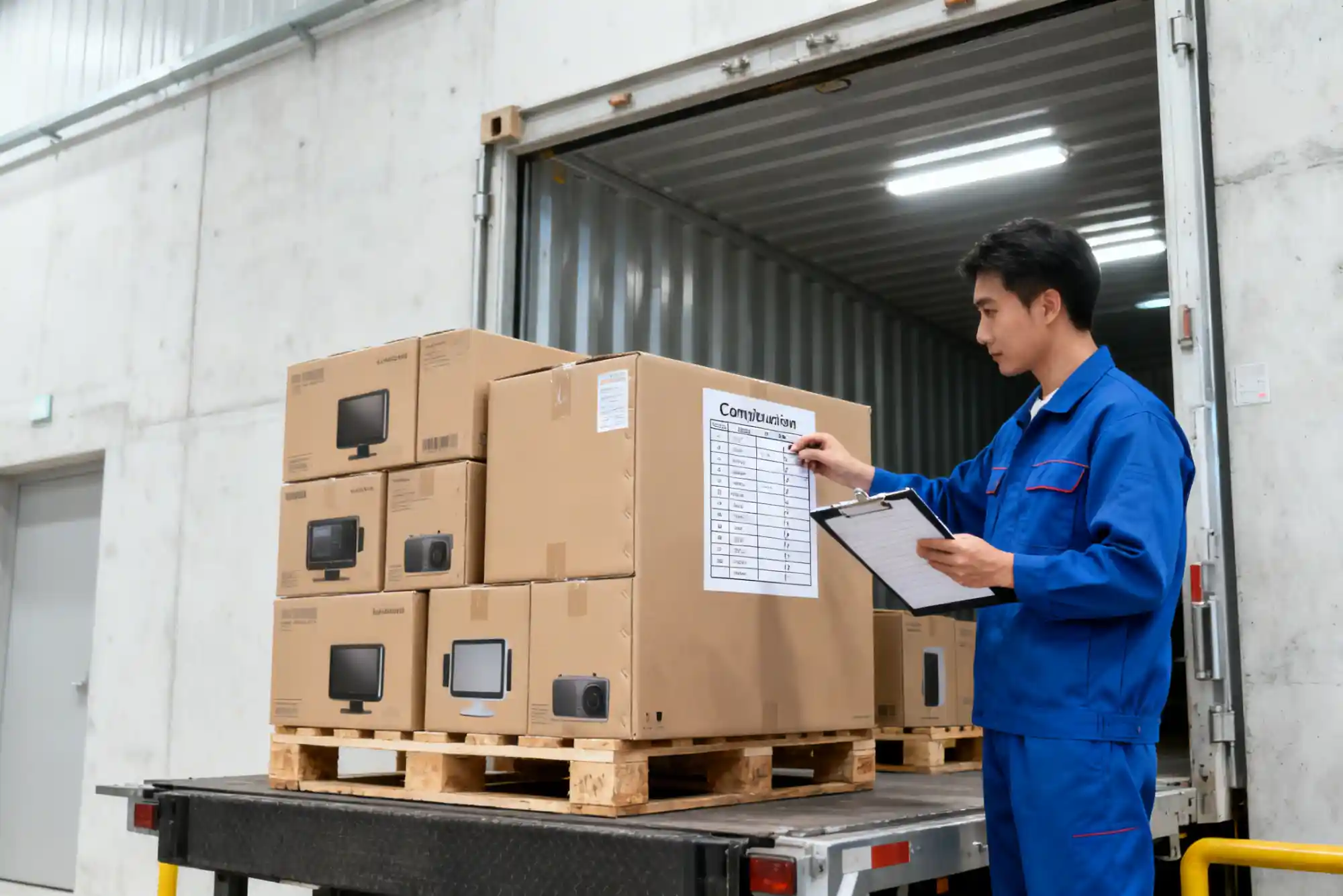
Bringing vape products into another country for an exhibition can involve customs requirements, product documentation, labeling rules, import restrictions, and tobacco-control regulations.
For the United States, FDA states that imported tobacco products must comply with applicable federal requirements and that FDA verifies or enforces requirements when regulated products are imported or offered for import.
This means businesses should investigate import requirements before shipping exhibition inventory.
Maintain Documentation
Product documentation can help demonstrate the origin, composition, regulatory status, and intended use of products.
Depending on the jurisdiction and product category, companies may need appropriate commercial invoices, product information, customs documentation, regulatory records, and shipping information.
Businesses should coordinate with qualified customs professionals and legal advisers where requirements are complex.
Manufacturer Versus Retailer Responsibilities
Another important aspect of vape trade fair legal compliance is identifying the company’s regulatory role.
A business may be considered a manufacturer in addition to being a retailer if it mixes e-liquids, modifies vaporizers, manufactures products, repackages products, relabels products, or performs other regulated activities.
This distinction matters because manufacturers may have additional obligations beyond those applicable to retailers.
Companies should therefore determine their legal status before participating in a trade fair rather than assuming that they are simply exhibitors.
International Vape Trade Fair Compliance
Vape regulations are not globally uniform.
A product permitted in one country may be restricted or prohibited in another. Some jurisdictions impose strict nicotine limits, while others regulate advertising, flavors, packaging, product registration, or importation differently.
For international trade fairs, exhibitors should assess the rules of the country where the event is physically taking place. They should also distinguish between rules governing display, marketing, sale, importation, and subsequent distribution.
A global compliance strategy should therefore avoid treating one country’s approval as universal permission to market a product elsewhere.
Creating a Practical Compliance Process
Effective vape trade fair legal compliance starts several weeks before the event.
Companies should establish an internal review process covering products, packaging, promotional claims, booth materials, demonstrations, samples, sales activity, staff training, and imports.
Every employee representing the company should understand the boundaries of permissible communication. Sales representatives should know which products are authorized, which claims are prohibited, and when questions should be referred to a compliance or legal professional.
The process should also include a final review immediately before the event because regulatory requirements and enforcement priorities can change.
Common Compliance Mistakes to Avoid
One common mistake is assuming that a product is legal because competitors are displaying it. Regulatory compliance is based on applicable law, not on what other exhibitors are doing.
Another mistake is treating a trade fair as an informal environment where ordinary marketing restrictions do not apply. In regulated industries, public exhibitions can receive significant attention from regulators.
Businesses may also overlook digital materials. QR codes, websites, social media pages, videos, downloadable catalogs, and electronic product displays can all form part of an overall promotional strategy.
Finally, companies sometimes focus entirely on product legality while ignoring claims made by sales representatives. Staff training is therefore an essential part of vape trade fair legal compliance.
How to Prepare for a Compliant Vape Trade Fair
Preparation should begin with identifying the exact jurisdiction and determining which products will be presented.
The company should then verify the regulatory status of those products, review packaging and warnings, assess advertising claims, confirm import requirements, establish age-control procedures, and determine whether samples or demonstrations are permitted.
Legal and compliance teams should review the booth design and promotional materials before printing or publishing them.
Where regulations are uncertain, obtaining advice from a qualified lawyer or regulatory specialist is safer than relying on assumptions or informal industry practices.
Make Compliance Part of Trade Fair Planning
Vape trade fair legal compliance is not simply a matter of following rules at the exhibition entrance. It involves understanding product authorization, labeling, advertising, imports, age restrictions, samples, staff conduct, and the legal responsibilities associated with manufacturing and distribution.
The FDA’s enforcement activity demonstrates why exhibitors should take trade fair compliance seriously. Unauthorized vape products can create regulatory problems even when they are promoted in an industry-event environment.
Businesses planning to attend a vape trade fair should review applicable laws well before the event, verify every product’s regulatory status, train representatives, and obtain professional legal advice when requirements are unclear. A proactive approach can reduce unnecessary risk while helping companies build stronger relationships with legitimate distributors, retailers, and business partners.
Vape Disposal Laws for Retailers Explained: Retailers must handle discarded vape devices responsibly, following local waste, recycling, and environmental regulations. Proper disposal helps prevent battery-related hazards, protects the environment, and reduces legal risks. Businesses should separate vape batteries and electronic components and use approved waste or recycling services where required.
FAQs
Are vape products regulated by the FDA?
Yes. FDA regulates e-cigarettes, vapes, e-liquids, and other electronic nicotine delivery systems that fall within the federal tobacco-product framework. FDA regulates areas including manufacturing, importation, packaging, labeling, advertising, promotion, sale, and distribution.
Can unauthorized vape products be displayed at a U.S. trade show?
Businesses should not assume that trade-show display is exempt from federal requirements. FDA has specifically taken enforcement action involving unauthorized e-cigarette products promoted at industry trade shows and has stated that applicable requirements continue to apply at these events.
Do vape products need FDA approval to be sold in the United States?
New tobacco products generally require applicable FDA premarket authorization before they can legally be marketed in the United States. FDA states that unauthorized new tobacco products may be subject to enforcement action.
Can vape companies give free samples at trade fairs?
Businesses should not distribute free tobacco-product samples in the United States. FDA identifies free samples of tobacco products, including components and parts, as prohibited under applicable federal requirements.
What age can someone buy a vape in the United States?
Federal law prohibits retailers from selling tobacco products, including e-cigarettes and ENDS, to anyone under 21. FDA also states that retailers must check photo identification for purchasers under 30.
Do vape trade fair rules differ between countries?
Yes. Vape and nicotine regulations vary considerably between jurisdictions. Requirements concerning product authorization, nicotine concentration, packaging, advertising, imports, age restrictions, and sales can differ from one country to another. Exhibitors should evaluate the specific laws applicable to the location of each event.
Can a vape shop become regulated as a manufacturer?
Yes. FDA explains that businesses that mix e-liquids, make or modify vaporizers, or perform certain other manufacturing activities may be regulated as both retailers and tobacco-product manufacturers.
What should a company check before attending a vape trade fair?
A company should review product authorization, packaging and labeling, advertising claims, import requirements, age restrictions, sample rules, booth materials, demonstrations, and staff conduct. When requirements are unclear, professional legal or regulatory advice should be obtained before the event.
Discover useful insights, trends, and information about vaping with VapExplore. The platform offers readers an easy way to explore vaping-related topics, product information, industry updates, and helpful guides.
Related Reading: Vape Product Storage and Legal Requirements
Related Reading: Vape Device Safety Standards: Legal Checklist — full guide
Related Reading: Vape Legal Cases That Changed the Industry
Related Reading: Vape Compliance Automation for Businesses
Related Reading: Vape Customs Declaration and Legal Steps