Introduction
The vaping industry has grown rapidly, but with this growth comes increased responsibility for manufacturers, retailers, importers, and consumers. Understanding vape device safety standards is essential for ensuring products meet legal requirements, protect users, and maintain market credibility. From battery safety and manufacturing quality to labeling rules and regulatory compliance, every part of a vape device must follow established safety practices.
Whether you are a vape brand owner, distributor, or retailer, following a proper legal checklist helps reduce risks, avoid regulatory problems, and build customer trust. Regulations differ between countries, but the core principles behind vape device safety standards remain focused on product reliability, user protection, and transparent information.
As governments continue strengthening oversight of electronic nicotine delivery systems, businesses must stay updated with compliance requirements. Regulatory authorities increasingly focus on device construction, ingredient disclosure, testing procedures, and responsible marketing practices. A clear understanding of these requirements can make the difference between a successful product launch and costly compliance issues.
For businesses entering international markets, reviewing resources such as the FDA e-cigarette regulation overview can provide valuable guidance about regulatory expectations for electronic nicotine delivery systems.
Understanding Vape Device Safety Standards and Their Importance
Vape device safety standards are guidelines and requirements designed to ensure electronic vaping products operate safely and consistently. These standards cover different areas, including device design, battery performance, electrical protection, materials used, and manufacturing processes.
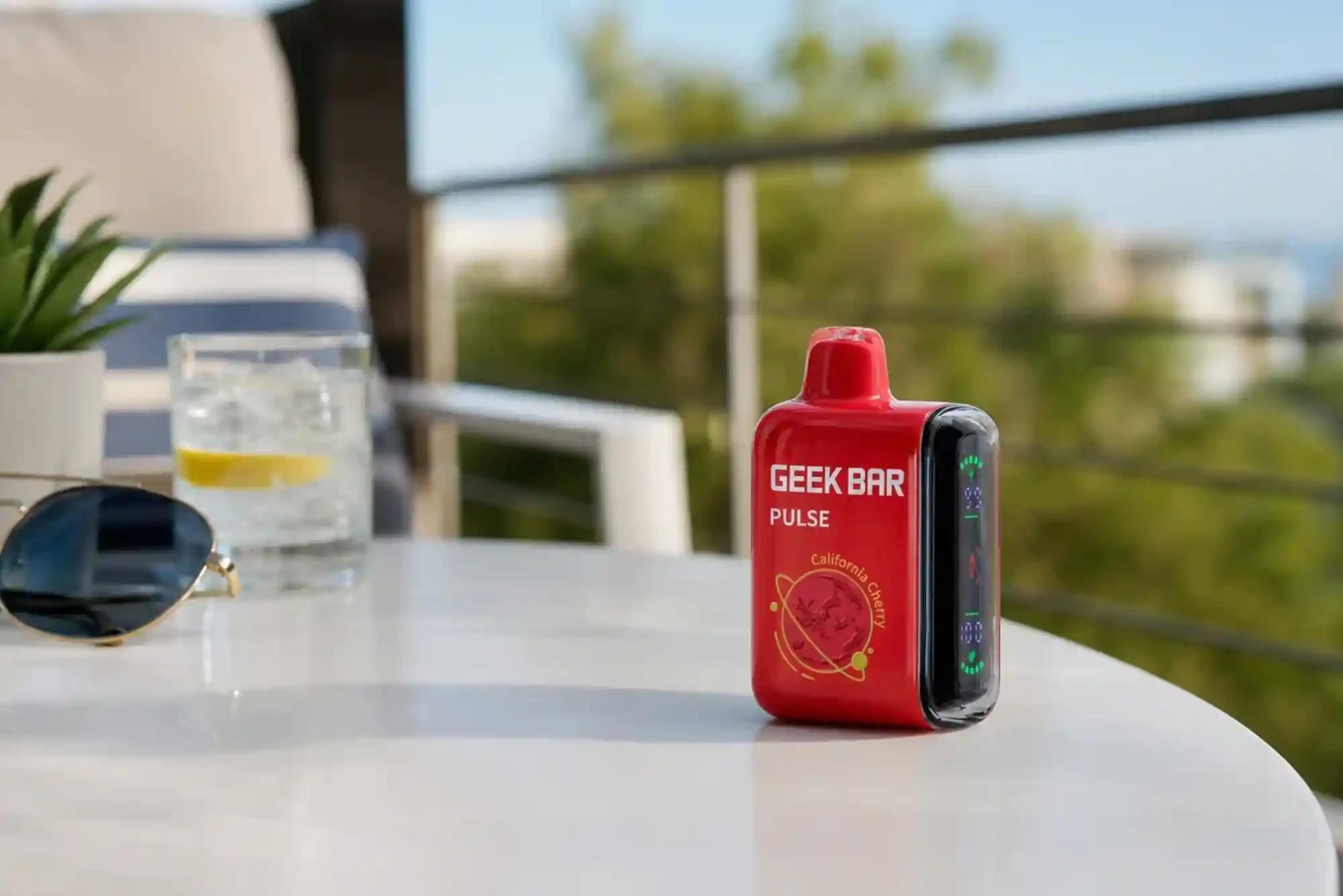
A vape device contains several components that must work together safely. The battery provides power, the heating element converts energy into vapor, and the cartridge or tank stores e-liquid. A failure in any component can create safety concerns, which is why manufacturers must follow strict quality controls.

Safety standards also help prevent issues such as overheating, battery failure, leakage, and poor-quality materials. For consumers, these standards provide confidence that a device has been designed and produced with safety in mind.
For businesses, compliance with vape device safety standards is not only a legal responsibility but also an important part of brand reputation. Products that fail safety checks may face recalls, import restrictions, financial penalties, or damage to customer trust.
Legal Checklist for Vape Device Safety Compliance
Confirm Product Classification and Regulatory Requirements
The first step in meeting vape device safety standards is understanding how the product is classified in the target market. Different countries regulate vape devices differently. Some classify them as tobacco-related products, while others may regulate them as consumer electronics or medical-related products depending on their intended use.
Before manufacturing or importing vape devices, businesses should research applicable laws, licensing requirements, and product approval procedures. This ensures the device meets the correct regulatory framework before reaching customers.
A proper compliance review should include checking restrictions on nicotine content, device features, packaging requirements, and advertising limitations.
Follow Battery Safety Requirements
Battery safety is one of the most important parts of vape device safety standards. Most modern vape devices rely on lithium-ion batteries, which require careful design and handling.
Manufacturers should include protection systems that help prevent dangerous situations such as overcharging, short circuits, overheating, and excessive discharge. Devices should also undergo battery performance testing to confirm safe operation under normal conditions.
Quality batteries, proper insulation, and secure electrical connections are essential elements of a safe vaping product. Poor battery design or low-quality components can increase the possibility of malfunction.
Use High-Quality Manufacturing Materials
The materials used in vape devices directly affect product safety. Components that come into contact with e-liquid or vapor pathways should be made from suitable materials that can withstand heat and regular use.
Manufacturers should carefully select metals, plastics, seals, and coatings to avoid contamination or degradation. Poor-quality materials may affect device performance and create potential health concerns.
Following recognized manufacturing practices helps ensure that each device performs consistently and meets customer expectations.
Testing and Certification Requirements for Vape Devices
Conduct Electrical and Performance Testing
Testing plays a major role in maintaining vape device safety standards. Before products enter the market, manufacturers should perform electrical safety tests to evaluate performance and reliability.
Testing commonly examines:
-
Battery protection systems
-
Charging safety
-
Temperature control features
-
Device durability
-
Electrical connections
-
Resistance stability
These evaluations help identify potential defects before products reach consumers.
Perform Quality Control Inspections
Consistent quality control is necessary for every stage of production. Manufacturers should inspect raw materials, assembly processes, and finished products.
A reliable quality control system helps detect manufacturing problems early and ensures every device meets the required specifications.
Businesses that maintain detailed production records can also respond more effectively if safety concerns arise in the future.
Maintain Proper Certification Documentation
Documentation is a critical part of compliance. Companies should maintain records related to testing results, manufacturing procedures, material information, and safety evaluations.
When entering international markets, documentation may be required by customs authorities, distributors, or regulatory agencies. Proper records demonstrate that a company follows responsible manufacturing practices.
Vape Device Labeling and Packaging Safety Rules
Provide Clear Product Information
Accurate labeling is a major requirement within vape device safety standards. Product packaging should provide important information that allows consumers to understand proper use and potential risks.
Labels may include:
-
Product name and model information
-
Manufacturer details
-
Battery specifications
-
Safety warnings
-
Usage instructions
-
Disposal information
Clear instructions help users operate devices correctly and reduce avoidable safety issues.
Include Necessary Safety Warnings
Safety warnings inform users about responsible device handling. Warnings may address battery care, charging instructions, exposure risks, and keeping products away from children.
Packaging should avoid misleading claims and should communicate information clearly. Regulations often require specific warning statements depending on the country where the product is sold.
Ensure Child-Resistant Packaging Where Required
Many markets require child-resistant packaging for certain vape products, especially those containing nicotine-containing e-liquids.
Child-resistant designs help reduce accidental exposure and support responsible product handling. Businesses should verify packaging requirements before distribution.
Legal Responsibilities for Vape Importers and Retailers
Verify Supplier Compliance
Importers and retailers play an important role in maintaining vape device safety standards. They should work only with suppliers who provide proper documentation and demonstrate compliance with applicable regulations.
Purchasing products from unreliable suppliers can create legal and financial risks. Businesses should verify manufacturing standards, certifications, and product testing information before placing orders.
Follow Storage and Transportation Requirements
Proper storage and transportation practices protect product quality. Vape devices should be stored in suitable conditions to prevent damage caused by moisture, extreme temperatures, or improper handling.
Battery-powered products require additional care during transportation because damaged batteries may create safety concerns.
Avoid Illegal Marketing Practices
Marketing rules for vape products are becoming increasingly strict worldwide. Businesses should avoid making unsupported health claims or targeting restricted audiences.
Responsible marketing focuses on accurate product information and compliance with advertising regulations.
Common Mistakes That Violate Vape Device Safety Standards
Many compliance problems occur because businesses overlook important safety details. One common mistake is selling devices without proper testing documentation. Without reliable safety evaluations, companies may unknowingly distribute products that fail regulatory requirements.
Another issue is using low-quality components to reduce production costs. While cheaper materials may lower expenses initially, they can create safety risks and damage brand reputation.
Incorrect labeling is another frequent compliance problem. Missing warnings, unclear instructions, or inaccurate product information can result in regulatory action.
Businesses should also avoid assuming that compliance in one country automatically applies everywhere. Each market has its own requirements, and products may need additional adjustments before international distribution.
Future Trends in Vape Device Safety Regulations
The future of vape device safety standards will likely involve stricter testing requirements, improved battery technology, and greater transparency throughout the supply chain.
Regulators are increasingly interested in product traceability, manufacturing accountability, and consumer protection. Technologies such as smart monitoring systems and improved temperature controls may become more common in future devices.
Companies that invest in safety improvements and regulatory compliance will be better positioned as the industry continues to evolve.
How Businesses Can Build a Strong Compliance Strategy
A successful compliance strategy requires continuous attention rather than a one-time review. Businesses should regularly monitor regulatory updates, review supplier practices, and improve internal quality systems.
Working with compliance specialists, conducting regular product testing, and maintaining accurate documentation can help companies avoid unexpected legal challenges.
A proactive approach to vape device safety standards allows businesses to create safer products while strengthening customer confidence.
Stay Ahead With Proper Vape Device Safety Standards
Following vape device safety standards is essential for anyone involved in manufacturing, importing, or selling vaping products. A strong safety approach protects consumers, supports legal compliance, and improves long-term business success.
From battery protection and material selection to testing, labeling, and documentation, every detail matters. Companies that prioritize safety standards are better prepared to meet changing regulations and customer expectations.
If you are planning to launch, import, or distribute vape products, review your compliance process carefully and ensure every device meets current legal requirements. Building safety into your business strategy today can help create a stronger and more trusted brand tomorrow.
Vape Industry Lobbying Groups in the U.S. play an important role in shaping discussions around vaping regulations, taxation, product standards, and consumer access. These organizations represent manufacturers, retailers, and industry stakeholders by engaging with policymakers and advocating for policies they believe support innovation, responsible sales, and market growth while addressing public health concerns.
FAQs
What are vape device safety standards?
Vape device safety standards are regulations and guidelines that ensure vaping products are designed, manufactured, tested, and labeled to protect users and meet legal requirements.
Are vape devices required to pass safety tests?
Yes, many markets require vape devices to undergo safety testing related to batteries, electrical systems, materials, and product performance before they can be legally sold.
What is the most important safety feature in a vape device?
Battery protection features are among the most important safety elements because they help prevent overheating, short circuits, and charging-related problems.
How can I know if a vape device is safe?
Consumers should purchase products from reputable sellers, check for proper labeling, follow manufacturer instructions, and avoid devices with missing safety information.
Do vape regulations differ between countries?
Yes, vape regulations vary significantly between countries. Manufacturers and sellers must understand the specific legal requirements of each market where they operate.
Why is compliance important for vape businesses?
Compliance helps businesses avoid legal penalties, protect customers, maintain brand reputation, and build trust in competitive markets.
Discover the latest insights, trends, and updates in the vaping world with Vapexplore. Our platform provides valuable information about vape products, industry news, guides, and helpful resources for enthusiasts and businesses. Explore detailed content designed to keep you informed about modern vaping solutions, product innovations, and market developments.
Related Reading: Vape Manufacturer Registration Walkthrough
Related Reading: Vape E-Liquid Bottling Laws and Child Safety
Related Reading: Vape Customs Declaration and Legal Steps
Related Reading: Vape Product Storage and Legal Requirements
Related Reading: Vape Policy Reform in the United States: 2025 Outlook — full guide
Related Reading: Vape Trade Fair Legal Compliance — full guide