Introduction
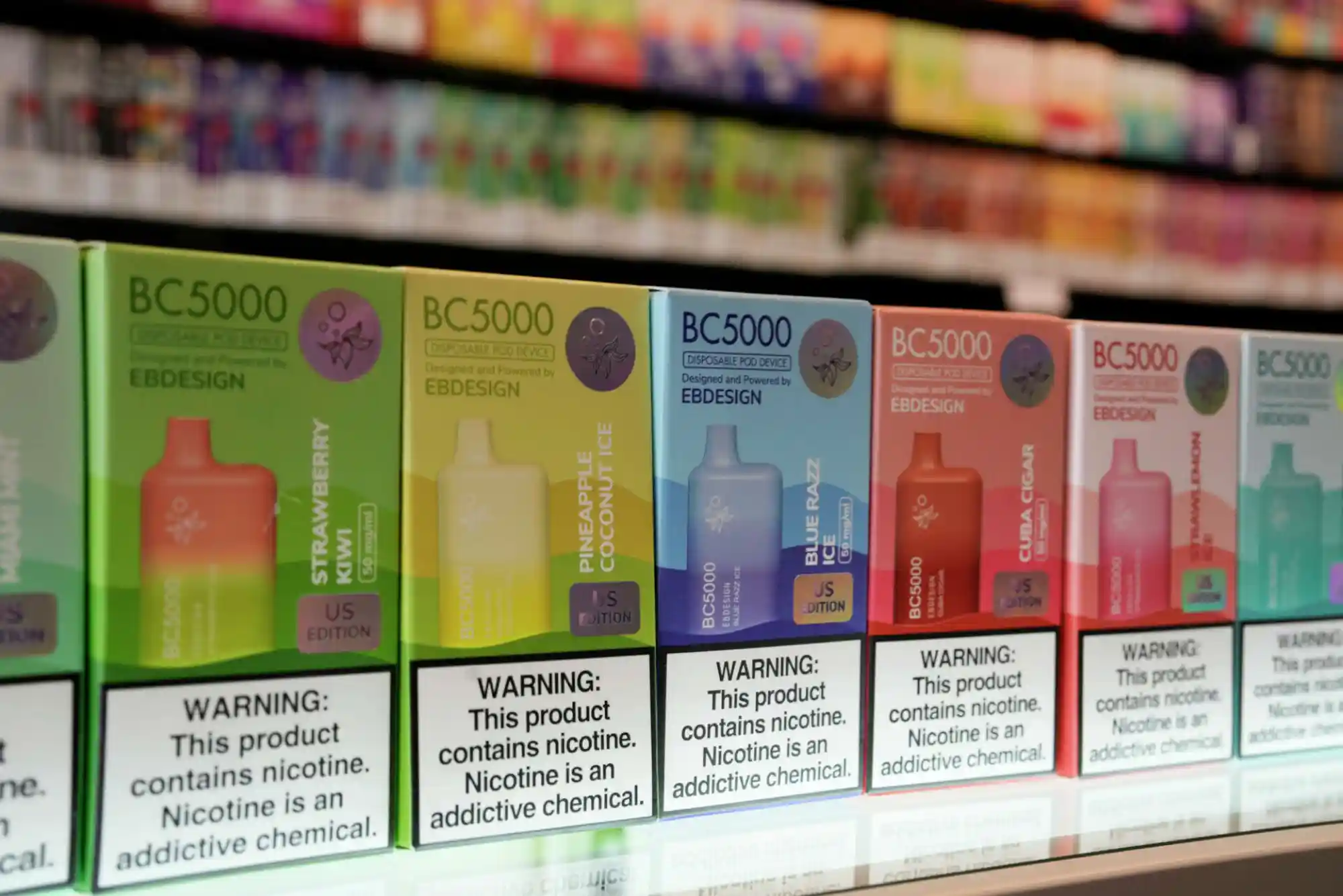
Opening a vape shop involves much more than renting a storefront and purchasing inventory. Businesses selling electronic nicotine delivery products must understand federal, state, and local rules before they begin trading. Vape retail license requirements can vary significantly depending on the products sold, business location, and applicable tobacco-control laws.
For retailers in the United States, compliance may involve business registration, tobacco or vape retail licensing, age-verification procedures, product restrictions, taxation, recordkeeping, and local zoning requirements. Federal requirements are particularly important because the U.S. Food and Drug Administration (FDA) regulates electronic nicotine delivery systems under the federal tobacco framework.
This guide explains the major areas retailers should investigate before opening a vape business. Because requirements differ between jurisdictions and can change, businesses should confirm the current rules with the relevant federal, state, county, and municipal authorities.
Why Vape Retail License Requirements Matter
Vape products are regulated differently from ordinary consumer goods. A retailer may need several permissions or registrations rather than one universal “vape license.”
The exact requirements depend on where the business operates and what it sells. A shop offering nicotine-containing e-cigarettes, disposable devices, e-liquids, pods, and related tobacco products may fall under multiple regulatory categories.
Understanding vape retail license requirements before opening helps a business avoid preventable compliance problems. Selling regulated products without the necessary authorization can result in penalties, product seizures, suspension of operations, or other enforcement action.

The regulatory environment also changes over time. For example, retailers should regularly review the FDA’s current information on electronic nicotine delivery systems. Businesses can use this FDA e-cigarette regulation overview to understand the federal framework surrounding e-cigarettes and other electronic nicotine delivery systems.
Federal Rules Affecting Vape Retailers
At the federal level, the FDA regulates tobacco products, including many electronic nicotine delivery system products. Retailers therefore need to understand how federal requirements affect the products they stock.
FDA Regulation of Vape Products
The FDA’s Center for Tobacco Products oversees tobacco products under federal law. This includes many e-cigarettes, e-liquids, vape devices, and components.
Retailers should not assume that a product being widely available automatically means it is authorized for sale everywhere. Product availability in the marketplace and legal authorization are separate questions.
The regulatory status of individual products can also change. Retailers should establish a process for reviewing their inventory and obtaining reliable documentation from suppliers.
Retailer Responsibilities
A retailer is generally responsible for complying with applicable federal tobacco requirements when selling regulated products. This includes following restrictions concerning sales to minors, required product information, and other applicable tobacco regulations.
Businesses should maintain supplier documentation and invoices so they can establish where products came from. Good documentation also makes it easier to respond to regulatory questions or conduct an internal compliance review.
State Vape Retail Licenses
One of the most important parts of vape retail license requirements is state-level authorization.
States can impose their own licensing systems for tobacco and vaping retailers. Some states issue a dedicated tobacco retailer license, while others incorporate electronic nicotine products into broader tobacco-product licensing.
State Requirements Vary
There is no single nationwide vape shop license that satisfies every state.
Depending on the jurisdiction, a retailer may need to apply through a state tax department, tobacco-control agency, revenue authority, health department, or another government office.
A business planning to operate across multiple states should therefore review each jurisdiction separately. A license obtained in one state generally does not automatically authorize sales in another.
Application Information
A licensing application may request information such as the legal business name, physical location, ownership details, federal tax identification information, and the types of regulated products the business intends to sell.
Some jurisdictions may also impose application fees, renewal requirements, background checks, or location-specific restrictions.
Before submitting an application, retailers should check whether their local government has additional requirements.
Local Business and Zoning Requirements
State licensing is only one part of vape retail license requirements. Cities and counties may impose additional rules.
A retailer may need a general business license, sales-tax registration, zoning approval, or occupancy authorization before opening.
Check Zoning Before Signing a Lease
This is an area where businesses can make an expensive mistake. A commercial property may look suitable for a vape store but still be subject to zoning restrictions.
Local governments may restrict tobacco retailers near schools, parks, youth facilities, or residential areas. Some jurisdictions may also limit the number of tobacco retailers in particular areas.
Checking zoning and permitted use before signing a long-term lease can prevent significant financial losses.
Local Tobacco Regulations
Some municipalities impose rules that go beyond state requirements. These may cover signage, advertising, product displays, flavored products, sampling, smoking or vaping inside the premises, and operating locations.
Because local rules can be highly specific, retailers should contact the relevant municipal authority rather than relying solely on general online information.
Age Verification Is a Core Requirement
Age verification is one of the most important responsibilities for vape retailers.
Federal law prohibits retailers from selling tobacco products, including covered electronic nicotine delivery products, to anyone under 21. Retail employees must therefore understand the applicable age-verification requirements.
Train Every Employee
A strong compliance program begins with staff training.
Employees should know when identification must be checked, what forms of identification are acceptable under applicable law, and how to handle customers whose age cannot be verified.
Training should not be limited to managers. A single employee making an unlawful sale can create serious consequences for the business.
Use Consistent Verification Procedures
Retailers should create a consistent checkout procedure rather than allowing employees to make individual judgments.
Depending on applicable requirements, businesses may use electronic age-verification systems to help identify invalid or expired identification documents. However, technology should supplement—not replace—proper employee training and legal compliance.
Vape Product Compliance and Inventory Control
A vape retailer should carefully control what enters its inventory.
Purchasing from established suppliers and keeping accurate invoices can help demonstrate the source of products. Retailers should also review product packaging and regulatory information before placing products on shelves.
Know Your Suppliers
Supplier due diligence is particularly important in the vape industry.
A retailer should know who manufactured or distributed the products, retain purchase records, and investigate products that appear suspicious or lack appropriate documentation.
Extremely low prices can sometimes indicate questionable supply chains, so purchasing decisions should not be based solely on cost.
Monitor Inventory Regularly
Inventory systems should identify products by brand, model, flavour where applicable, quantity, supplier, and purchase date.
This information can make compliance reviews much easier. It can also help a retailer quickly identify products that should be removed from sale because of a regulatory development or supplier notification.
Taxes and Financial Registration
Another important aspect of vape retail license requirements involves taxes.
Depending on the jurisdiction, vape products may be subject to sales taxes, tobacco taxes, excise taxes, or other industry-specific charges.
The tax treatment of vapor products varies substantially between states and local jurisdictions.
Register for Applicable Taxes
Before selling products, businesses should determine which tax registrations apply to their operation.
A retailer may need a state sales-tax permit as well as registration for tobacco or vapor-product taxes. The business should also understand filing deadlines and recordkeeping obligations.
Because tax rules can change, retailers should verify current requirements directly with the relevant tax authority or a qualified tax professional.
Recordkeeping and Compliance Documentation
Good records are an essential part of operating a compliant vape shop.
Businesses should retain relevant licenses, permits, supplier invoices, tax documents, employee training records, and other required documentation.
Why Documentation Matters
Records provide evidence that a business has established compliance procedures.
If a regulator asks where a particular product came from or whether employees received required training, organized records allow the retailer to respond efficiently.
Digital recordkeeping can make this process easier, provided documents are securely stored and retained for the period required by applicable law.
Advertising and Marketing Restrictions
Vape retailers should also review advertising rules before promoting their products.
Marketing materials can be subject to federal, state, and local restrictions. Businesses should be particularly careful with advertising that could appeal to minors or make unsupported health-related claims.
Social media promotions, website content, email marketing, storefront signage, and influencer campaigns can all create compliance considerations.
A retailer should review promotional materials before publication rather than assuming online marketing is exempt from tobacco regulations.
Inspections and Enforcement
Licensed retailers should be prepared for compliance inspections.
Authorities may check whether a business has the required licenses and whether employees follow age-verification rules. Inspectors may also review products, records, signage, and other aspects of the operation depending on local law.
The best approach is to treat compliance as an ongoing business process rather than something completed once during the licensing application.
Regular internal reviews can identify problems before they become enforcement issues.
How to Maintain Vape Retail Compliance
Once a shop receives its required licenses, compliance does not stop.
Licenses may need to be renewed periodically, tax obligations must continue to be met, and regulations can change.
Create a Compliance Calendar
A simple compliance calendar can track license renewal dates, tax filing deadlines, employee training, inventory reviews, and regulatory updates.
Assigning responsibility for these tasks to a specific manager reduces the risk of missed deadlines.
Review Rules When Expanding
Businesses opening a second location should not assume that the first store’s approvals automatically apply.
Each location may have separate zoning, licensing, tax, and local requirements. Expansion should therefore begin with a fresh compliance review.
Common Mistakes Vape Retailers Should Avoid
One common mistake is assuming that a general business license is sufficient. It may not cover the sale of regulated tobacco or nicotine products.
Another problem is buying products from suppliers without checking documentation. Retailers can create unnecessary compliance exposure when they fail to understand their supply chain.
Poor employee training is another frequent weakness. Age-verification procedures need to be clear, consistent, and regularly reinforced.
Finally, businesses sometimes forget about local rules. State approval does not necessarily resolve city or county requirements.
How to Approach Vape Retail Licensing in 2026
The safest approach is to treat vape retail license requirements as a multi-level compliance process.
Start by identifying the federal rules applicable to the products. Then determine the state tobacco, vapor-product, sales-tax, and business licensing requirements. After that, investigate county and municipal licensing, zoning, and operating restrictions.
Before opening, verify that all required registrations and permits are active and that employees understand the rules that directly affect day-to-day sales.
Businesses should also establish a process for monitoring regulatory developments after opening. This is particularly important in a heavily regulated industry where requirements can change.
Build Compliance Into Your Vape Business
Understanding vape retail license requirements is essential for anyone planning to operate a vape shop legally and responsibly. Federal tobacco regulations, state licensing, local business rules, age restrictions, taxation, product controls, recordkeeping, and advertising requirements can all affect how a retailer operates.
The most reliable strategy is to verify requirements with the appropriate government authorities before purchasing inventory or opening a location. Keep licenses current, train employees regularly, maintain accurate records, and review your compliance procedures whenever regulations change.
Discover useful insights, guides, and updates for vape enthusiasts and businesses with VapExplore. Whether you’re exploring vaping trends, learning about popular products, or looking for helpful industry information, VapExplore provides practical content designed to keep readers informed. Visit VapExplore to explore the latest resources and discover more valuable information in one convenient place.
FAQs
Do you need a license to sell vapes in the USA?
In many jurisdictions, retailers need specific authorization to sell tobacco or vape products in addition to a general business license. Requirements vary by state and locality, so businesses should verify the rules where they operate.
What license do I need to sell vapes?
The required authorization depends on the location and products sold. A business may need a tobacco or vape retailer license, general business license, sales-tax registration, and potentially additional local permits.
Can you sell vapes without a tobacco license?
If the jurisdiction requires a tobacco or vapor-product retail license, selling regulated products without that license can violate the law. Retailers should obtain all required approvals before beginning sales.
What are the age requirements for buying vapes?
Federal U.S. law sets the minimum age for purchasing tobacco products, including covered e-cigarette products, at 21. Retailers must follow applicable identification and age-verification requirements.
Do vape shops need a business license?
A vape shop may need a general business license as well as a separate tobacco or vape retail authorization. The exact combination depends on state and local regulations.
Can a vape shop sell products from any supplier?
Retailers should carefully evaluate suppliers and maintain appropriate purchase records. They should verify that the products they sell comply with applicable federal and local requirements rather than assuming that marketplace availability guarantees compliance.
Vape Policy Reform in the United States: 2025 Outlook highlights how evolving federal and state regulations may reshape the vaping industry. From product approvals and marketing rules to age restrictions and compliance standards, businesses and consumers should stay informed as policymakers consider changes that could influence the future of vape products across the United States.
Related Reading: Vape Product Storage and Legal Requirements
Related Reading: Vape Disposal Laws for Retailers Explained
Related Reading: Vape Taxation Trends 2025 2026
Related Reading: Vape Transport Law for Distributors — full guide
Related Reading: Vape Policy Reform in the United States: 2025 Outlook — full guide
Related Reading: Vape Product Registration Delays Explained