Introduction
Quitting vaping during pregnancy is a crucial step for your health and your baby’s development. Many women wonder if it’s safe and how to handle nicotine cravings, especially when they realize they are six weeks pregnant. In the UK, there are clear guidelines and support systems to help expectant mothers quit vaping successfully. This guide will walk you through practical strategies, expert advice, and buyer tips for vaping alternatives if needed.
Understanding the Risks of Vaping During Early Pregnancy
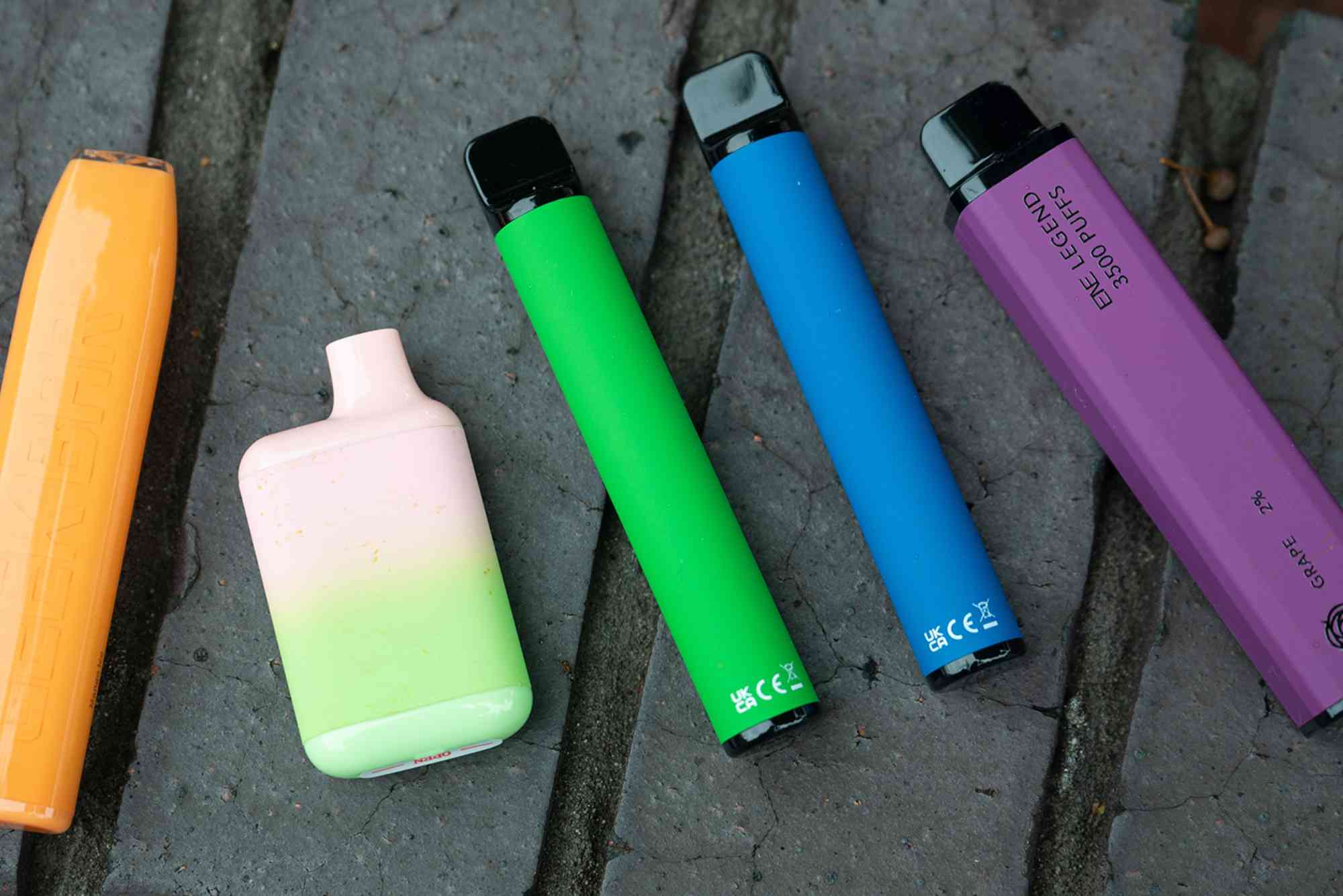
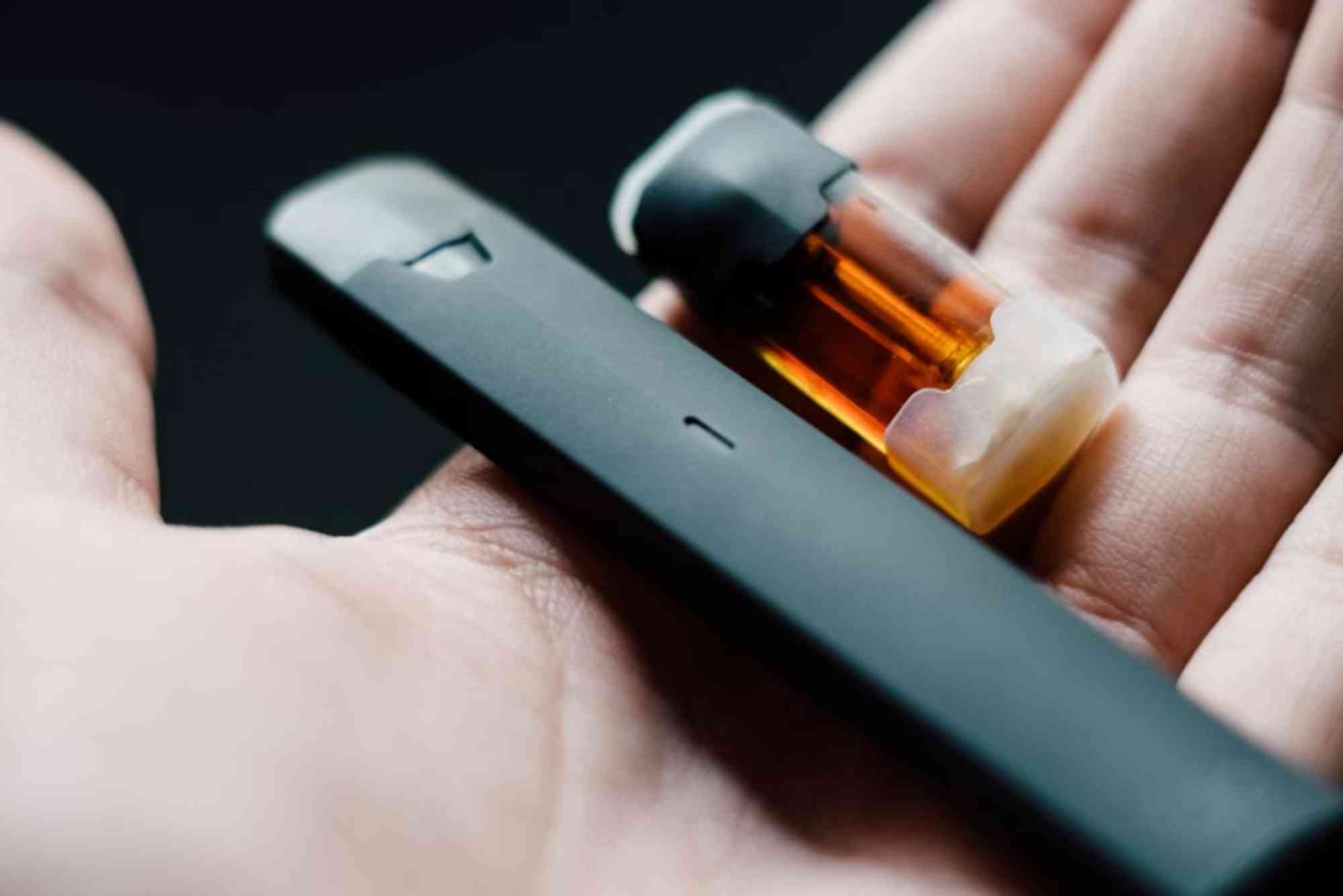
Vaping may seem less harmful than smoking, but nicotine and other chemicals can still affect your baby. Nicotine can reduce oxygen supply and impact fetal brain development. Even early in pregnancy, exposure can increase the risk of low birth weight and complications. Many e-liquids also contain flavorings and chemicals that are not safe for unborn babies. Recognizing these risks is the first step in committing to quit vaping.
How Vaping Affects the First Trimester
The first trimester is critical for organ development. Nicotine constricts blood vessels, reducing nutrient delivery. Chemicals from vaping can also harm the placenta and impact early fetal growth. Understanding these risks can strengthen your resolve and make quitting more urgent.
Practical Tips to Quit Vaping at 6 Weeks Pregnant
Quitting vaping is challenging, especially in the early weeks of pregnancy when nausea and stress are common. However, with structured steps, you can succeed.
Set a Clear Quit Date
Marking a quit date helps mentally prepare for the change. If you realize you’re six weeks pregnant, it’s best to quit immediately rather than delay. Committing to a specific date creates accountability.
Identify Triggers and Alternatives
Understanding when and why you vape is key. Many women vape out of habit, stress, or social situations. Replace vaping with healthier alternatives like chewing sugar-free gum, drinking water, or practicing deep breathing exercises. Mindfulness techniques can also reduce cravings.

Use Nicotine Replacement Therapy (NRT) Carefully
In the UK, NRT products like patches, gums, or lozenges are available to pregnant women under medical guidance. While avoiding nicotine entirely is ideal, NRT may be safer than continued vaping. Consult your GP or midwife before starting NRT.
Seek Professional Support
The NHS offers specialized support for pregnant women quitting smoking or vaping. Services include one-on-one counseling, support groups, and helplines. These resources significantly increase your chances of quitting successfully.
Lean on Friends and Family
Support from loved ones is invaluable. Share your goals with your partner, family, or close friends. Their encouragement can help during tough moments and provide accountability.
Track Your Progress
Keeping a journal of your quit journey helps visualize your success. Note down cravings, triggers, and coping strategies. Celebrating small milestones can boost your motivation.
Healthy Lifestyle Changes to Support Quitting
Adopting a healthy lifestyle complements your efforts to quit vaping and improves pregnancy outcomes.
Balanced Nutrition
Eating a balanced diet rich in fruits, vegetables, whole grains, and lean proteins supports your body and reduces cravings. Hydration also helps flush out toxins and keeps you feeling more energized.
Exercise and Movement
Gentle exercise like walking, prenatal yoga, or stretching can reduce stress and improve mood. Physical activity is a natural way to manage nicotine withdrawal symptoms.
Mindfulness and Relaxation
Pregnancy can be stressful, and stress often triggers vaping. Meditation, deep breathing, and guided imagery can help you stay calm and focused on your quit goal.
Buying Tips for Safer Alternatives in the UK
For women struggling with cravings, some safer options can assist in the transition.
Nicotine-Free E-Cigarettes
Some e-cigarettes are nicotine-free. While not completely risk-free, they may help satisfy the behavioral aspect of vaping without exposing your baby to nicotine.
Sugar-Free Chewing Gum or Lozenges
Sugar-free gums and lozenges can keep your mouth busy and reduce the urge to vape. Opt for products approved for use during pregnancy.
Vape Replacement Apps
Mobile apps designed for quitting vaping offer structured programs, tips, and progress tracking. Some apps even provide community support with other expectant mothers.
Monitoring Your Progress and Staying Motivated
Tracking your progress is essential for long-term success. Set weekly goals and reward yourself for meeting milestones. Remember that setbacks are common; the key is to keep moving forward. Celebrating small victories, like a week without vaping, can provide positive reinforcement.
Signs of Improvement
Within days of quitting, your sense of taste and smell improves. Over weeks, your lung function and energy levels increase. Knowing the benefits can reinforce your commitment and help you stay motivated during challenging moments.
Addressing Common Challenges
Quitting at six weeks pregnant comes with unique challenges. Understanding and preparing for them helps prevent relapse.
Nicotine Cravings
Cravings are strongest in the first two weeks. Strategies like deep breathing, chewing gum, and distraction techniques are effective in managing urges.
Mood Swings and Stress
Hormonal changes during early pregnancy can amplify stress. Engaging in relaxation exercises and seeking professional counseling can help.
Social Pressure
Friends or colleagues who vape may trigger temptation. Politely explain your situation or avoid environments where vaping is common.
Benefits of Quitting Vaping Early in Pregnancy
Stopping vaping at six weeks has immediate and long-term benefits.
Improved Fetal Health
Quitting early ensures better oxygen and nutrient supply to your baby. This reduces the risk of low birth weight, premature birth, and developmental complications.
Better Maternal Health
Your lungs, cardiovascular system, and overall energy improve. Reducing nicotine intake also lowers the risk of pregnancy complications, including high blood pressure and gestational diabetes.
Long-Term Lifestyle Benefits
Early cessation increases the likelihood of staying vape-free after birth. It sets a positive example for your child and supports healthier family habits.
Take Charge of Your Pregnancy Journey
Quitting vaping at six weeks pregnant in the UK is challenging but entirely achievable. By understanding the risks, seeking professional support, and implementing practical strategies, you can protect your baby and improve your health. Embrace healthy alternatives, lean on your support network, and celebrate your progress. Your commitment today ensures a healthier tomorrow for both you and your child.
If you’re ready to quit vaping and need guidance, reach out to your GP or NHS support services today. Every small step counts toward a safer, healthier pregnancy.
FAQs
Q: Is it safe to quit vaping suddenly at 6 weeks pregnant?
Yes, quitting suddenly is safe. Nicotine withdrawal may occur, but your baby benefits immediately from reduced exposure. Seek support to manage symptoms.
Q: Can I use nicotine replacement therapy during early pregnancy?
Nicotine replacement therapy can be used under medical supervision. Consult your GP or midwife before starting any NRT products.
Q: What are the common withdrawal symptoms during pregnancy?
Mood swings, cravings, irritability, and difficulty concentrating are common. Healthy distractions and professional support can help manage these symptoms.
Q: How long will it take to feel better after quitting vaping?
Some improvements, like enhanced taste and smell, occur within days. Lung function and energy levels improve over weeks.
Q: Are nicotine-free e-cigarettes safe during pregnancy?
Nicotine-free options may reduce nicotine exposure but are not completely risk-free. Behavioral support and other alternatives are preferred.
Q: Can I prevent cravings completely?
Complete prevention is unlikely, but identifying triggers, practicing mindfulness, and using approved alternatives can significantly reduce cravings.
Q: Where can I get support in the UK for quitting vaping while pregnant?
The NHS provides helplines, counseling, and support groups. Your GP or midwife can connect you to tailored programs for expectant mothers.