Introduction
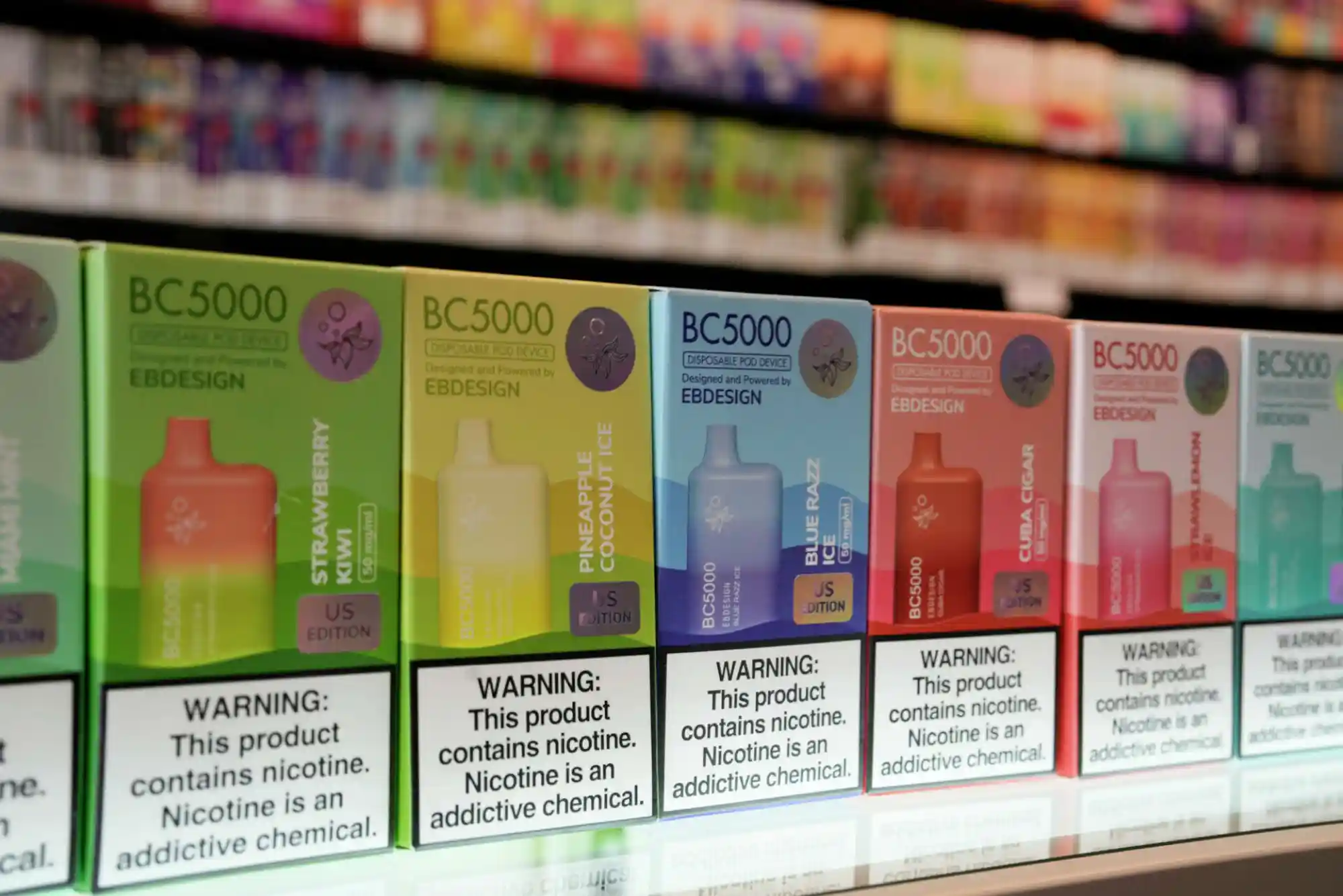
The U.S. vape industry operates in a highly regulated environment where manufacturers, distributors, retailers, and other businesses must pay close attention to changing requirements. Product authorization, ingredient information, packaging, marketing, age restrictions, reporting, and recordkeeping can all create significant administrative demands. For growing businesses, managing these responsibilities manually can become difficult, expensive, and vulnerable to human error.
This is where vape compliance automation for businesses can make a meaningful difference. Instead of relying entirely on spreadsheets, email reminders, paper documents, and manual reviews, companies can use technology to organize compliance information and automate repetitive monitoring tasks. The goal is not to replace legal or regulatory expertise, but to create a more reliable system for managing compliance obligations.
Businesses considering automation should also understand the regulatory framework before selecting software. The FDA provides an overview of e-cigarettes, vapes, and other electronic nicotine delivery systems through its FDA e-cigarette regulation overview.
Why Vape Compliance Is Becoming More Complex
Vape compliance is not simply a matter of checking whether a product is legally available. Companies often need to manage multiple pieces of information throughout a product’s lifecycle. Regulatory expectations can also differ depending on whether a business manufactures, imports, distributes, or sells a product.
Regulatory requirements can change
Regulatory agencies can issue new guidance, enforcement actions, requirements, and interpretations. A compliance process that worked several years ago may not be sufficient today.
For businesses with hundreds of products or multiple suppliers, keeping track of these developments manually can consume substantial staff time. Automated systems can help teams monitor relevant information and create internal alerts when a review may be required.

Product information must remain organized
A vape product can have numerous compliance-related data points, including product name, manufacturer, ingredients, packaging information, documentation, market status, and internal approval records.
When this information is stored across disconnected spreadsheets and email accounts, employees may struggle to determine which version is current. A centralized compliance platform provides a more structured way to maintain records and establish ownership.
How Vape Compliance Automation for Businesses Works
At its core, vape compliance automation for businesses uses software to standardize repetitive compliance workflows. The exact features differ between platforms, but the underlying principle is straightforward: collect relevant data once, apply defined rules and workflows, and notify responsible employees when action is required.
Centralized compliance records
A centralized database can provide one location for product and regulatory information. Employees can associate documentation with individual products rather than searching through multiple folders.
This can improve consistency because everyone works from the same underlying information. It can also make internal audits easier because supporting documents are easier to locate.
Automated reminders
Compliance responsibilities often involve deadlines, reviews, renewals, document updates, and periodic checks. Automation can create reminders before these events occur.
For example, instead of depending on an employee’s calendar, a system can automatically notify an assigned compliance manager when a product record requires review. This reduces the likelihood that routine administrative tasks will be forgotten.
Workflow approvals
Automation can also create structured approval processes. A product change might require review by regulatory, legal, quality, and management teams before it can move forward.
Rather than relying on informal email chains, software can record who reviewed an item, when the review occurred, and what decision was made.
The Benefits of Vape Compliance Automation
The strongest argument for automation is not simply speed. Properly designed systems can improve consistency, visibility, accountability, and scalability.
Reducing manual errors
Manual data entry creates opportunities for mistakes. A product number can be entered incorrectly, a document can be attached to the wrong product, or an outdated record can remain in circulation.
Automation does not eliminate errors entirely, but validation rules and standardized workflows can reduce common administrative mistakes.
Improving compliance visibility
Management needs to understand where compliance risks exist. A centralized system can provide dashboards showing pending reviews, incomplete records, expired documents, or products requiring attention.
This gives decision-makers a clearer picture than a collection of disconnected spreadsheets.
Saving employee time
Compliance professionals should spend their time interpreting requirements and managing meaningful risks rather than repeatedly copying information between systems.
Automated notifications, record organization, and workflow management can reduce repetitive administrative work and allow employees to focus on higher-value responsibilities.
Supporting business growth
Manual compliance systems often become increasingly difficult to manage as a company adds products, suppliers, warehouses, or sales channels.
Automation provides a framework that can scale with the business. Instead of creating another spreadsheet every time the product catalog grows, businesses can expand their existing compliance database and workflows.
Using Automation for Product Compliance
Product-level compliance is one of the areas where automation can provide particularly strong organizational benefits.
Product data management
Businesses can establish standardized records for each product. These records can contain internal identifiers, supplier information, specifications, documentation, status, and review history.
The objective is to make the compliance status of each product easier to understand without manually searching through separate files.
Document management
Important documentation should be associated with the appropriate product and version. Automated systems can help control document access, track updates, and identify missing records.
Version control is particularly important because employees need to know whether they are reviewing current documentation or an outdated file.
Change management
A seemingly small product change can sometimes require additional compliance review. Automation can trigger a review whenever defined product attributes change.
For example, an organization could configure its workflow so that certain changes automatically require approval from the compliance team before the updated product record becomes active internally.
Automation and Age-Restriction Controls
Age-restricted sales are another area where businesses need dependable processes. Technology can help organizations document internal procedures and monitor whether required checks are being completed.
For online retailers, automated systems may integrate with age-verification processes or flag transactions that require additional review. For physical retailers, compliance software can support employee training records, policy acknowledgments, and audit documentation.
However, automation should complement—not replace—appropriate legal review and operational controls. A software system is only as reliable as the rules, data, integrations, and procedures behind it.
Monitoring Regulatory Changes
One of the most valuable applications of vape compliance automation for businesses is regulatory monitoring.
Automated alerts
Businesses can configure systems to notify compliance teams when relevant regulatory information changes. Instead of expecting employees to manually check every source every day, technology can help surface information that deserves attention.
The compliance team can then determine whether the development actually affects the company’s products or operations.
Impact assessment
Not every regulatory update will apply to every business. Automation can help organize an impact-assessment workflow in which a regulatory update is assigned to the appropriate employee for evaluation.
The reviewer can document whether action is required, what products may be affected, and which internal teams need to be informed.
This distinction is important: automation can identify and route information, but qualified professionals should determine the legal significance of a regulatory development.
Building an Audit-Ready Compliance System
A strong compliance program should be able to demonstrate not only what a business currently does but also how it reached important decisions.
Creating an audit trail
Automated systems can record changes, approvals, reviews, and timestamps. This creates a history that can help organizations investigate questions later.
For example, if a product record changes, an audit trail can show who made the change and whether it went through the required approval process.
Standardizing procedures
Automation encourages businesses to turn informal practices into defined workflows. This can help reduce situations where one employee follows a different process from another.
Standardization becomes especially valuable when companies have multiple departments, warehouses, locations, or external partners.
Common Mistakes When Automating Vape Compliance
Automation can improve compliance, but implementing software without a clear strategy can create new problems.
Automating incorrect rules
The most sophisticated software cannot compensate for inaccurate regulatory logic. Businesses should verify the rules being used by their systems and ensure they reflect current requirements.
Treating software as legal advice
Compliance software is a management tool, not a substitute for qualified legal or regulatory advice. Businesses should establish clear procedures for escalating complex questions to appropriate professionals.
Ignoring data quality
If product records are incomplete or outdated, automated workflows will produce unreliable results. Companies should establish data ownership and conduct regular reviews.
Over-automating human decisions
Not every compliance decision should be made automatically. High-risk or ambiguous matters may require human judgment.
The best approach usually combines automated administrative tasks with human oversight for regulatory interpretation and significant business decisions.
How to Implement Vape Compliance Automation
Successful implementation starts with understanding the company’s existing compliance process.
Map the current workflow
Before purchasing software, document how compliance information currently moves through the organization. Identify where employees enter data, store documents, perform reviews, and approve changes.
This helps reveal repetitive tasks that are suitable for automation.
Define ownership
Every compliance activity should have a responsible person or team. Automation works best when alerts and approvals are assigned to clearly defined roles.
Without ownership, automated notifications can simply create another inbox full of ignored messages.
Start with high-value processes
Businesses do not need to automate everything immediately. Starting with document management, deadline reminders, product reviews, or regulatory alerts can provide measurable benefits while employees become familiar with the system.
Review and improve continuously
Compliance automation should be treated as an evolving business process. Teams should periodically review workflows, remove unnecessary steps, update rules, and evaluate whether the system is actually reducing risk and administrative workload.
What to Look for in Compliance Software
When evaluating automation platforms, businesses should consider functionality as well as usability. A useful system should provide centralized records, role-based access, workflow management, audit trails, notifications, reporting, and integration capabilities.
Security should also be considered carefully because compliance platforms may contain commercially sensitive product and supplier information.
Integration is another important factor. If compliance software can connect with product databases, inventory systems, document management platforms, or other internal tools, employees may spend less time duplicating information.
Most importantly, businesses should select a system that employees will actually use. A highly sophisticated platform with an unnecessarily complicated interface can undermine the benefits of automation.
The Future of Vape Compliance Automation for Businesses
As regulatory environments become more data-driven, automation is likely to become increasingly important for businesses operating in regulated product categories. Artificial intelligence, workflow engines, data validation, and improved regulatory monitoring may help companies identify potential issues earlier.
However, the future is unlikely to be completely automated. Regulatory interpretation requires context, and businesses still need accountable professionals who understand their products and obligations.
The strongest compliance programs will likely combine technology with human expertise. Software can collect information, identify exceptions, maintain records, and route tasks. Experienced professionals can evaluate complex situations, make informed decisions, and ensure the organization’s policies align with applicable requirements.
Vape compliance automation for businesses offers a practical way to make regulatory management more organized, consistent, and scalable. By centralizing product records, automating reminders, managing documents, tracking approvals, and supporting regulatory monitoring, businesses can reduce administrative friction while improving visibility into their compliance operations.
Vape Transport Law for Distributors is an important consideration for businesses moving vaping products across regions. Distributors should understand applicable federal, state, and local rules, including shipping restrictions, age-verification requirements, labeling standards, and required documentation. Staying compliant helps reduce legal risks, shipment delays, and costly penalties.
FAQs
What is vape compliance?
Vape compliance refers to meeting applicable laws, regulations, and regulatory requirements governing vaping and electronic nicotine delivery products. Depending on the business, this can involve product requirements, manufacturing, marketing, packaging, sales, documentation, and recordkeeping.
What are the FDA rules for vaping products?
The applicable requirements depend on the product, business activity, and circumstances. The FDA regulates tobacco products, including electronic nicotine delivery systems, and provides information about applicable requirements through its official tobacco-product resources.
Can compliance be fully automated?
No. Many administrative activities can be automated, but regulatory interpretation, complex risk assessments, and important legal decisions generally require qualified human oversight.
Why is compliance automation important for businesses?
Compliance automation can reduce repetitive administrative work, improve record accuracy, provide reminders, standardize workflows, and give businesses greater visibility into outstanding compliance tasks.
How does automation reduce compliance risk?
Automation can reduce risks associated with missed deadlines, inconsistent workflows, outdated records, and incomplete documentation. It does not eliminate compliance risk, so businesses still need appropriate policies, accurate data, monitoring, and professional oversight.
Is compliance software a replacement for a compliance team?
No. Software supports compliance professionals by organizing information and automating routine tasks. Human professionals remain important for interpreting requirements, evaluating risk, and making decisions that require judgment.
Discover useful insights, guides, and updates about vaping with VapeExplore. Whether you want to learn more about vape products, industry trends, or helpful tips, VapeExplore provides easy-to-understand information for readers. Visit the homepage to explore the latest content and discover valuable resources in one convenient place.
Related Reading: Vape Trade Fair Legal Compliance
Related Reading: Vape Policy Reform in the United States: 2025 Outlook — full guide
Related Reading: Vape Sales and Age Limit Enforcement — full guide
Related Reading: Vape Retailers Navigating State Compliance